
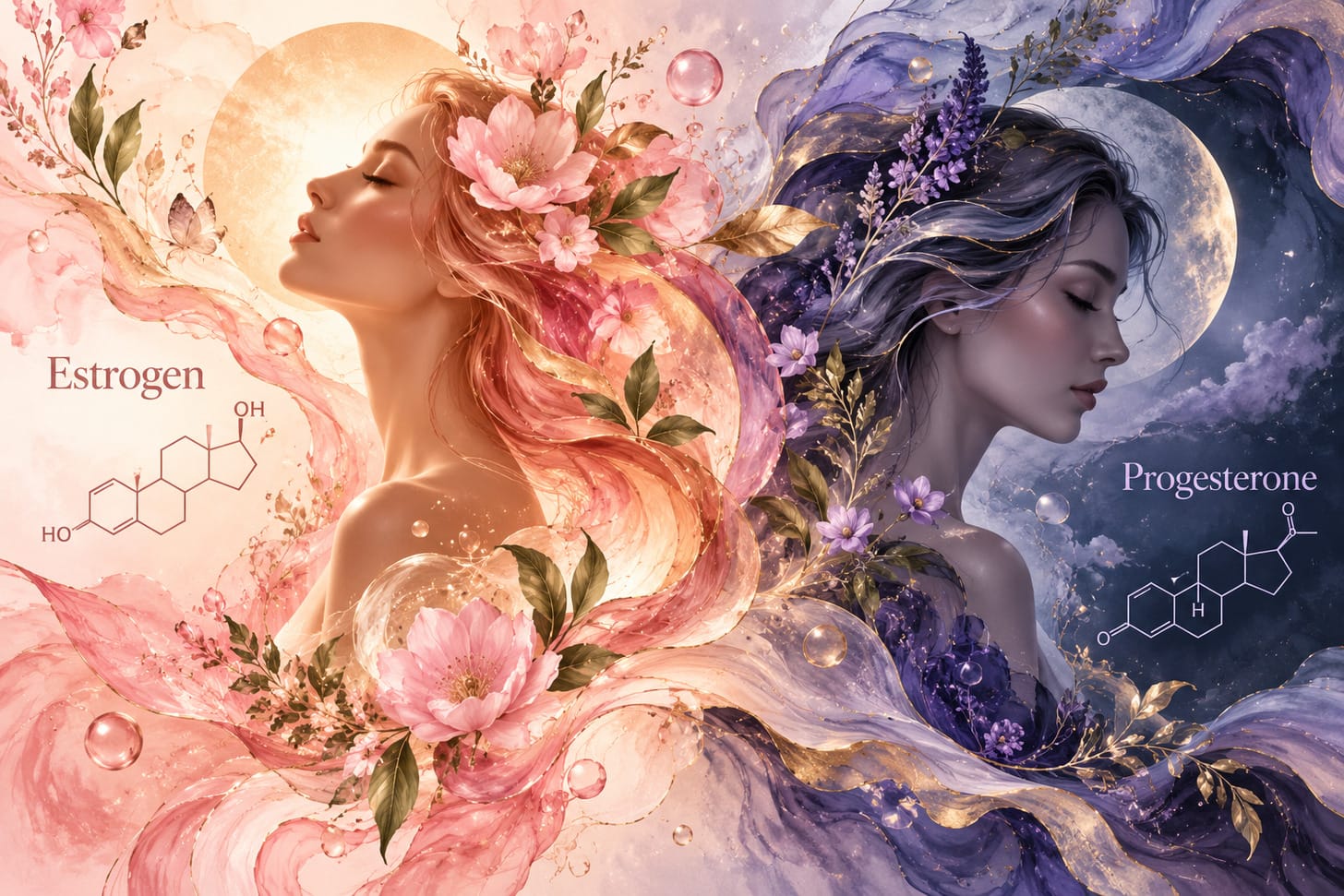

Menopause is a normal stage in a woman’s life that follows the end of ovarian menstrual activity. It involves important changes in estrogen and progesterone, two hormones that influence reproductive health and many other body systems. Learning how these hormones change can help you understand what to expect and discuss appropriate care with a healthcare professional.
Clinicians define menopause retrospectively: it occurs after 12 consecutive months without a menstrual period when pregnancy or another medical cause does not explain the change. The transition leading up to it is called perimenopause, which can last several years. During this time, hormone levels may fluctuate before estrogen and progesterone become consistently lower after menopause.
These changes may contribute to symptoms such as hot flashes, night sweats, sleep disruption, vaginal dryness, irregular periods, and mood changes. However, symptoms do not affect all women in the same way, and mood or sleep concerns can have causes beyond menopause. Tracking symptoms can help identify patterns and support an informed conversation about treatment.
Key Takeaways
- Menopause is confirmed after 12 months without a menstrual period and is different from perimenopause.
- Estrogen and progesterone change during the menopausal transition, but symptom severity varies.
- Common symptoms include hot flashes, sleep difficulties, vaginal dryness, and menstrual changes.
- Hormone therapy may relieve certain symptoms for some people, but it is not appropriate for everyone.
- A clinician can review your medical history, treatment goals, and potential risks before recommending therapy.
Introduction to Menopausal Hormones
Menopause is a natural stage of life defined retrospectively after 12 consecutive months without a menstrual period, when no other medical cause explains the change. In the United States, the average age of natural menopause is approximately 51, although the age and timing vary. The years leading up to menopause are called perimenopause, when ovarian activity and hormone levels become less predictable.
During perimenopause, the ovaries gradually release eggs less regularly. Estrogen and progesterone production can rise and fall rather than decline in a smooth, predictable pattern. These changes may alter menstrual periods and cause menopause symptoms such as hot flashes, night sweats, sleep disruption, vaginal dryness, mood changes, and difficulty concentrating. Perimenopause may last several years, and symptoms can vary substantially among women.
Menopause symptoms are usually diagnosed from a person’s history rather than a hormone blood test. For adults age 45 or older with typical changes in menstrual periods and symptoms, routine testing of estrogen or other hormone levels is generally unnecessary because levels fluctuate widely during perimenopause. Testing may be appropriate when menopause occurs at an unusual age, symptoms are atypical, or another condition needs investigation.
Menopausal hormone therapy is one evidence-based treatment for bothersome hot flashes and night sweats. Systemic estrogen is generally the most effective therapy for these symptoms, while low-dose vaginal estrogen can help treat vaginal dryness and related genitourinary symptoms with limited absorption into the bloodstream. Hormone therapy is not appropriate for everyone, so a clinician should review personal and family history, including blood-clotting conditions, certain cancers, liver disease, and cardiovascular risk.
Understanding the difference between menopause, perimenopause, and postmenopause helps clarify what is happening in the body. Mood changes and sleep problems may accompany hormone changes, but persistent depression, severe anxiety, or ongoing insomnia can also have other causes and deserve separate evaluation. No single hormone level or treatment explains every experience.
“Knowledge is power, especially when it comes to navigating hormonal changes during menopause.”
Learning how estrogen, progesterone, and other hormones affect the body provides a foundation for informed decisions. The goal is not to restore a universal “hormone balance,” but to identify symptoms, assess health risks, and choose a safe approach that supports quality of life.
The Importance of Estrogen
Estrogen is a group of hormones with important effects throughout a woman’s life. Before menopause, the ovaries are the main source of estradiol, the strongest naturally occurring form of estrogen. Estrogen helps regulate the menstrual cycle and supports the uterus, vagina, bones, brain, skin, and cardiovascular system. Its effects are broad, but they do not mean that estrogen therapy is necessary or beneficial for every woman.
Estrogen and progesterone work together in the reproductive system. Estrogen helps the uterine lining grow during the menstrual cycle, while progesterone helps organize changes after ovulation. As ovulation becomes less regular during perimenopause, changing levels can lead to shorter or longer cycles, skipped periods, heavier or lighter bleeding, and other menstrual-period changes.
Estrogen also helps maintain bone tissue. When estrogen levels remain lower after menopause, bone loss may accelerate, increasing the risk of osteoporosis and fractures. This risk depends on factors such as age, genetics, body size, medications, smoking, alcohol use, physical activity, and other medical conditions. Weight-bearing exercise, resistance training, adequate calcium and vitamin D, and appropriate screening can support bone health.
Estrogen affects the cardiovascular system, but it should not be described as a universal protection against heart disease. Cholesterol, blood pressure, tobacco exposure, diabetes, physical activity, and genetics also influence cardiovascular risk. Menopause-related changes in estrogen do not mean that starting hormone therapy will prevent heart attacks or stroke. Hormone therapy should be prescribed for appropriate symptoms and individual circumstances, not solely for cardiovascular prevention.
In the brain, estrogen may influence temperature regulation, sleep, mood, and cognitive function. Some women notice changes in concentration or emotional well-being during perimenopause, particularly when hot flashes and night sweats interrupt sleep. However, menopause does not inevitably cause depression or dementia. New, persistent, or severe depression requires assessment and may need treatment beyond estrogen therapy.
Estrogen decline can also affect the vagina and urinary tract. Lower estrogen may contribute to vaginal dryness, irritation, pain with sex, urinary discomfort, or recurrent urinary tract infections. Low-dose vaginal estrogen is a local treatment option for some people with these symptoms, while moisturizers and lubricants may also help. A clinician should evaluate bleeding, pain, discharge, or urinary symptoms that do not improve.
Systemic estrogen therapy may relieve moderate to severe hot flashes and night sweats and can help prevent bone loss while it is being used. People who still have a uterus generally need a progestogen with systemic estrogen to protect the uterine lining and reduce endometrial cancer risk. People without a uterus may be able to use estrogen alone, depending on their medical history. The choice of formulation, dose, route, and duration should be individualized.
Understanding estrogen’s effects helps put menopause symptoms and treatment choices into context. Estrogen therapy can improve quality of life for some women, but it has potential risks and contraindications. Discussing symptoms, goals, age, time since menopause, and personal health history with a qualified clinician is the safest way to determine whether hormone therapy or another treatment is appropriate.
Estrogen Levels During Menopause
Estrogen levels change substantially during the menopausal transition. In perimenopause, the ovaries may release eggs less regularly, so estrogen can fluctuate sharply rather than decline in a steady pattern. These changes may contribute to symptoms such as hot flashes, night sweats, mood changes, sleep disruption, breast tenderness, and unpredictable menstrual bleeding. The timing and intensity of symptoms vary from one woman to another.
Perimenopause commonly lasts several years and ends with menopause, defined as 12 consecutive months without a menstrual period when no other cause is present. During this transition, periods may become shorter, longer, heavier, lighter, or occasionally absent. After menopause, the ovaries produce much less estrogen, and levels generally remain low. This lower estrogen exposure can contribute to vaginal dryness, irritation, discomfort during sex, and faster bone loss, which may increase the risk of osteoporosis and fractures. Skin changes can also occur, although aging, genetics, sun exposure, and other factors influence skin elasticity.
Understanding these hormone changes can help with symptom management, but a single estrogen test usually cannot explain how someone feels during perimenopause. Hormone levels may change from day to day, and routine testing is generally unnecessary for adults over age 45 with typical menopause symptoms. Persistent vaginal dryness, severe hot flashes, night sweats, or other concerns can be discussed with a healthcare professional. Systemic estrogen therapy is an effective treatment for bothersome vasomotor symptoms, while low-dose vaginal estrogen may help treat vaginal dryness and related genitourinary symptoms.
The Role of Progesterone
Progesterone is a hormone produced mainly after ovulation. Before menopause, it helps prepare the uterus for a possible pregnancy and balances the effects of estrogen on the uterine lining. As ovulation becomes less frequent during perimenopause, progesterone production may become irregular and then remain consistently low after menopause. These hormonal changes can affect menstrual periods and contribute to some menopause symptoms, but progesterone does not explain every change in the body.
Progesterone therapy alone is not a standard treatment for all menopause symptoms. Evidence for its effects on hot flashes, night sweats, mood, and sleep is more limited and less consistent than the evidence for systemic estrogen therapy. Some people may experience improved sleep or symptom relief with a prescribed form of micronized progesterone, but treatment decisions should consider the person’s health history, other medications, and goals. Persistent insomnia, anxiety, or depression may require evidence-based options such as cognitive behavioral therapy or other appropriate treatments.
Progestogen, which includes progesterone and certain synthetic medicines, is commonly prescribed with systemic estrogen for people who have a uterus. Its primary purpose is to protect the endometrium, or uterine lining, from excessive estrogen stimulation and reduce the risk of endometrial cancer. Different progestogens, doses, routes, and schedules may have different effects and safety considerations, so they should be selected with a clinician. People without a uterus may not need progestogen, depending on their medical history.
Progesterone or progestogen treatment does not necessarily make periods regular. During perimenopause, irregular bleeding may continue, and treatment itself can sometimes cause unscheduled spotting or bleeding. Heavy bleeding, bleeding that lasts unusually long, bleeding after sex, or any bleeding after menopause requires medical assessment. Understanding how estrogen and progesterone change over time can make this stage of life easier to discuss, but safe treatment depends on evaluating symptoms, risks, and individual needs.
Natural Ways to Support Health During Menopause
Lifestyle changes can support overall health and help manage menopause symptoms, although they do not “balance” hormones or replace medical treatment when treatment is needed. Regular physical activity benefits cardiovascular health, muscle strength, mood, sleep, and bone health. Aim for a combination of moderate aerobic activity, resistance training, and weight-bearing exercise each week, adjusting the intensity to your fitness level and medical needs. Exercise may improve well-being, but it does not eliminate hot flashes for everyone.
Nutrition also matters during menopause. Soybeans, tofu, tempeh, and other soy foods provide protein and naturally occurring isoflavones, sometimes called phytoestrogens. They may modestly help some symptoms, but they are not a direct substitute for estrogen therapy. A varied eating pattern that includes vegetables, fruits, whole grains, beans, nuts, and healthy sources of fat supports the body and may reduce cardiovascular and bone-health risk. Ask a healthcare professional whether you need additional calcium or vitamin D based on your diet, age, and health history.
Stress-management strategies can make menopause symptoms easier to cope with. Mindfulness, yoga, breathing exercises, counseling, and time with supportive friends may improve mood and sleep. These approaches may reduce distress associated with hot flashes and night sweats, but claims that they directly regulate hormone levels are not well established. Keep the bedroom cool, wear breathable layers, maintain a consistent sleep schedule, and limit caffeine, nicotine, and alcohol if they worsen night symptoms.
Dietary supplements require particular caution. Black cohosh, red clover, flaxseed, and evening primrose oil have been studied for menopause symptoms, but results are inconsistent and no supplement reliably treats every symptom. Supplements are not regulated in the same way as prescription medicines; products can vary in strength, purity, and form. Black cohosh has been associated with rare reports of liver injury, and supplements may interact with medicines or be unsuitable for people with certain conditions. Consult a clinician or pharmacist before using them, especially if you take prescription drugs, have liver disease, or have a history of hormone-sensitive cancer.
For more evidence-based information about common menopause claims, read this article about menopause myths and facts. Lifestyle measures can improve quality of life for many women, but they should complement—not automatically replace—effective treatments, including nonhormonal options or hormone therapy when clinically appropriate.
Non-Hormonal Treatments for Menopause
Menopause symptoms can often be managed without hormone therapy. Cognitive behavioral therapy (CBT) may help reduce distress related to hot flashes and night sweats, improve sleep, and support mood. It is not a hormone treatment, but it can provide practical skills for coping with symptoms and anxiety. Cognitive behavioral therapy may be especially useful when sleep problems or mood changes make symptoms harder to manage. Acupuncture is another optional approach; research shows mixed or modest benefits, so it should not be presented as a reliable treatment for every woman.
Lifestyle changes can support well-being during menopause. Regular physical activity, a consistent sleep routine, a cool bedroom, breathable clothing, and limiting alcohol or caffeine may help some people. A nutritious diet supports general health, but probiotics and “gut health” products have not been proven to correct hormone levels or reliably treat menopause symptoms. They should not replace evidence-based treatments.
Several prescription medicines may reduce selected symptoms. Certain selective serotonin reuptake inhibitors (SSRIs) and serotonin-norepinephrine reuptake inhibitors (SNRIs) can reduce hot flashes and may also treat depression or anxiety when those conditions are present. Gabapentin may help vasomotor symptoms, particularly when night symptoms disrupt sleep. Fezolinetant is a nonhormonal medicine specifically approved in the United States for moderate to severe vasomotor symptoms; it requires attention to liver safety and monitoring according to current prescribing information. Oxybutynin may help some patients but is generally used off-label and can cause anticholinergic side effects. A clinician should review interactions, contraindications, age, medical history, and treatment goals before prescribing.
Combining appropriate nonhormonal treatments can create an individualized menopause-care plan. Seek prompt medical attention for sudden, severe, or unusual symptoms, including chest pain, shortness of breath, fainting, new neurologic symptoms, or unexplained bleeding. A healthcare professional can reassess your symptoms and treatment plan over time, including when menopause care continues for more than a year.
Talking to Your Doctor About Menopause
An open conversation with your doctor can help you manage menopause symptoms safely and effectively. Before your appointment, record the date of your last menstrual period, changes in your bleeding pattern, and the symptoms that affect daily life. Include hot flashes, night sweats, vaginal dryness, sleep problems, mood changes, sexual symptoms, urinary discomfort, and any recurrent urinary tract infections. This information can help your clinician assess whether your symptoms fit menopause or require evaluation for another condition.
Write down your questions in advance. Ask how menopause is diagnosed at your age and whether testing is necessary; for many women age 45 or older with typical symptoms and menstrual changes, routine hormone testing is not required. Discuss treatment options, including nonhormonal treatments, systemic hormone therapy, local estrogen therapy for vaginal symptoms, and whether a progestogen is needed to protect the uterus. Ask about the benefits, risks, dose, formulation, route, expected duration, and follow-up schedule for any therapy.
Share your complete medical and family history, including current medicines and supplements, migraine, blood clots, liver disease, cardiovascular conditions, osteoporosis, and any personal or family history of cancer. Tell your doctor about tobacco or alcohol use and your treatment preferences. These details help your clinician evaluate risk and decide whether screening, bone-health assessment, or additional tests are appropriate. Treatment decisions should be individualized and reviewed periodically as your health, symptoms, and goals change.
Seek prompt medical care for any bleeding after menopause, especially after a full year without a menstrual period, or for heavy or persistent bleeding at any time. Get urgent help for chest pain, shortness of breath, one-sided leg swelling, a severe headache, fainting, or new neurologic symptoms. Clear communication allows your healthcare team to support you through this stage of life and adjust your menopause care over time.
Conclusion
Menopause is a normal life transition, but its symptoms and hormonal changes differ among women. Estrogen typically fluctuates during perimenopause and remains lower after menopause, while progesterone declines as ovulation becomes less frequent. Understanding the distinct roles of these hormones can help you recognize changes, ask informed questions, and identify when symptoms need medical evaluation.
Menopause symptoms are treatable, but no single treatment is right for everyone. Menopausal hormone therapy may relieve bothersome hot flashes and other symptoms for appropriate candidates, while nonhormonal treatments, local therapies, lifestyle measures, and other options may help others. The potential benefits and risk depend on factors such as age, time since menopause, medical history, and treatment goals.
Track your symptoms, menstrual history, and changes over time, then discuss them with a qualified healthcare professional. Together, you can review evidence-based treatments, reassess your plan as your needs change, and choose care that supports your health and quality of life. Reliable education and support from trusted communities can also help you move through this stage of life with confidence.