
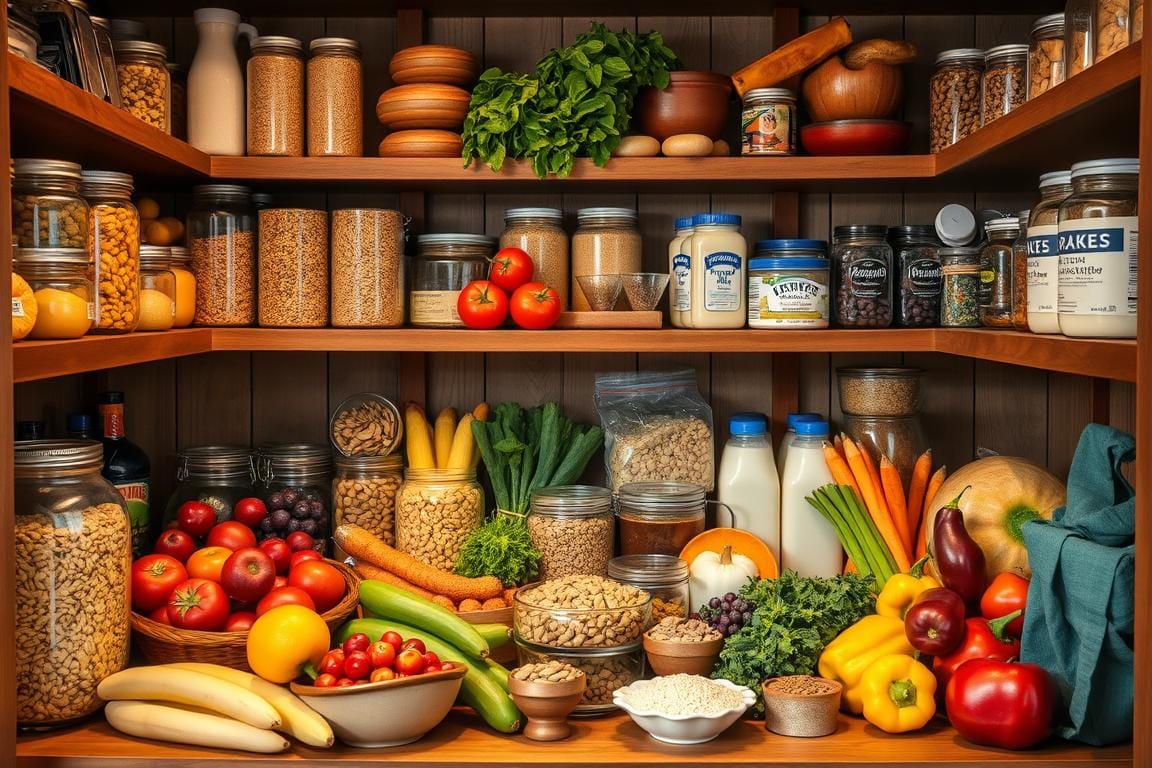
Did you know that the longest-lived people, particularly in Blue Zones areas, consume a full cup of beans every day? That’s a daily dose of around 15 grams of protein, making a significant impact on their health and longevity. As you navigate the complexities of menopause, building a menopause diet that supports your health is crucial. A well-stocked pantry filled with nutritious foods can be your ally in managing symptoms and maintaining overall well-being. This guide aims to help you select foods that stabilize hormones and promote a healthy weight during menopause.
Key Takeaways
- Stock your pantry with calcium-rich foods to support bone health.
- Incorporate leafy greens to ensure a balanced intake of essential vitamins.
- Lean proteins are vital for muscle maintenance and overall health during menopause.
- Beans and legumes are excellent sources of affordable and nutritious protein.
- Soy products can help balance hormones.
- Spices and herbs not only enhance flavor but also provide health benefits.
- Be aware of foods to avoid that may exacerbate menopausal symptoms.
Introduction: Understanding Menopause and Your Diet

Menopause brings about significant changes in your body, affecting temperature regulation, weight, and metabolism. It’s vital to grasp how these changes impact you and how dietary adjustments can help manage symptoms. In fact, 76% of women in perimenopause, menopause, or postmenopause face issues like hot flashes, night sweats, and weight gain. A diet tailored to your needs during this period can greatly enhance your health and well-being.
Many women during menopause feel overwhelmed by conflicting advice on diets, supplements, and health. Simplifying this, a balanced diet can alleviate symptoms and meet your body’s needs. Proper nutrition has shown benefits, with 100% of participants in nutrition programs for menopausal women reporting increased energy, clearer skin, and reduced joint pain. Additionally, 83% of participants experienced weight loss, averaging 20 lbs.
Making dietary changes can also help combat the mystery weight gain often seen during this stage. By choosing the right foods, you can effectively manage symptoms. It’s essential to ensure your diet includes nutrients specifically beneficial for menopausal health. This approach not only aids in weight loss but also boosts your mood and satisfaction. Let’s explore how to create a menopause-friendly pantry that aligns with these dietary recommendations.
Essential Nutrients for Menopausal Health
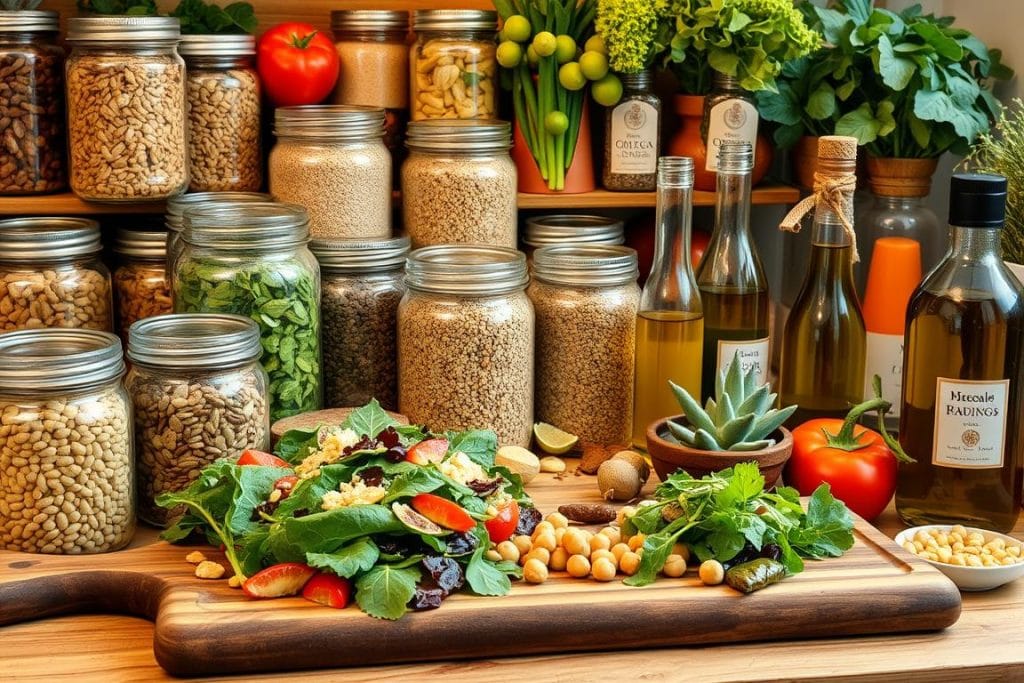
Menopause, occurring around age 51, is a pivotal life stage, bringing health concerns that demand attention to key nutrients. Acquiring the right essential nutrients for menopause is vital for your overall health and symptom management.
Bone health is a major concern during menopause. The daily calcium intake should be between 1,200 to 1,500 milligrams. Foods high in calcium, such as yogurt, cheese, milk, and leafy greens, are essential. It’s important to split calcium supplements, as your body can only absorb up to 500 milligrams at once.
Vitamin D is also crucial, aiding in calcium absorption and bone density maintenance. Sunlight exposure and fortified foods can help meet your daily vitamin D needs. Vitamin B12 is equally important, supporting nerve function and energy levels.
Omega-3 fatty acids, found in fish like salmon, mackerel, and tuna, as well as flax and chia seeds, reduce inflammation. They also decrease hot flashes and night sweats, improving menopause health. Including these vitamins for menopause and other essential nutrients can help alleviate many symptoms.
Lastly, a balanced diet is crucial. By incorporating a variety of these nutrients into your meals, you support overall health and ease the menopausal transition. This ensures a holistic approach to menopause health.
Stocking Up on Calcium-Rich Foods
Having a variety of calcium-rich foods in your pantry is key for bone health during menopause. With estrogen levels dropping, the risk of osteoporosis rises. Diverse calcium sources can support osteoporosis prevention and overall health.
- Dairy Products: Milk, cheese, and yogurt are traditional calcium powerhouses. Studies show that consuming every 200 grams of dairy can reduce the risk of osteoporosis by up to 37%.
- Fortified Plant Milks: For those seeking dairy alternatives, plant-based milks such as almond, soy, and rice milk often come fortified with calcium, making them an effective substitute.
- Leafy Greens: Vegetables like kale, broccoli, and bok choy are not only versatile but also packed with calcium. Incorporating these greens can bolster your calcium intake.
- Fish: Sardines and salmon, with bones included, are excellent calcium sources. Aim for three servings of fish weekly for maximum benefit.
- Legumes and Nuts: Beans, lentils, almonds, and sesame seeds are notable for their calcium content. These also provide additional nutrients beneficial for bone health.
- Fortified Foods: Many cereals and juices are fortified with calcium. These can be seamlessly integrated into your daily meals.
For osteoporosis prevention, it’s crucial to diversify your calcium sources and include dairy alternatives if lactose intolerance is an issue. Regularly consuming these foods will help you meet the recommended daily intake of calcium. This is essential for maintaining bone density and reducing fracture risk during menopause.
Incorporating Leafy Greens into Your Pantry
Adding leafy greens to your pantry is a key step towards better health, especially during menopause. Spinach, kale, and collard greens are packed with vital nutrients. These foods are not just rich in vitamins and minerals but also support bone health and overall well-being.
Leafy greens are a treasure trove of calcium and fiber, essential for strong bones and smooth digestion. This is especially important during menopause when bone density often drops. To ensure a balanced diet, aim to include a variety of leafy greens in your meals.
- Add spinach to your morning smoothies for a nutrient boost.
- Include kale in your salads to increase your fiber intake.
- Use collard greens as a wrap alternative for sandwiches to reduce carbohydrates.
- Saute a mix of leafy greens with garlic and olive oil for a flavorful side dish.
By making these simple changes, you can greatly improve your vegetable intake. Enjoy the health benefits of nutrient-rich foods. Remember, having a variety of leafy greens in your pantry ensures you always have the nutrients your body needs, especially during menopause and beyond.
Lean Proteins: The Building Blocks of a Healthy Diet
Incorporating lean proteins into your menopause diet is essential for maintaining healthy muscle mass and supporting overall metabolic health. During menopause, protein intake becomes even more crucial as hormonal changes can affect muscle density and weight distribution.
Lean protein sources like chicken, turkey, tofu, and legumes are excellent options for helping balance hormones and control weight. These proteins provide essential amino acids necessary for muscle synthesis and repair. This is vital as the body navigates the changes brought on by menopause.
Here are some key lean protein sources to consider for your menopause diet:
- Poultry: Chicken and turkey are rich in protein and low in unhealthy fats.
- Tofu: An excellent plant-based protein that is low in fat and high in essential amino acids.
- Legumes: Beans, lentils, and chickpeas offer a high amount of protein and are great for a plant-based diet.
- Fish: Salmon, trout, and other fatty fish provide omega-3 fatty acids alongside high-quality protein.
Research suggests that active women may require between 0.8g/kg to 1.2g/kg of protein daily to maintain healthy muscle mass. This is especially crucial for those undergoing menopause. Lean proteins help preserve lean body mass and ensure a balanced diet.
Balancing your protein intake throughout the day can also aid in muscle protein synthesis. Eating protein-rich meals at regular intervals can help manage food cravings and support steady energy levels.
By prioritizing lean proteins in your menopause diet, you create a supportive nutritional foundation. This foundation assists in navigating the complexities of menopause while maintaining muscle mass and promoting overall health.
Beans and Legumes: Affordable and Nutritious
Beans and legumes are not just budget-friendly pantry staples. They are also a nutritional powerhouse, offering great benefits during menopause. Rich in fiber and plant-based proteins, they support heart health and manage blood sugar levels. These are key during this transitional period.
Experts recommend adults on a 2,000 calorie diet consume 1.5 cups of beans and legumes daily. Yet, the average American only eats half of this amount. This dietary gap means many are missing out on the extensive benefits these plant-based proteins provide.
Adding more beans and legumes to your diet can significantly improve your health. A study of over 15,000 people for ten years showed those eating these foods gained less weight and had less belly fat. They are packed with protein and fiber, which promotes satiety and helps maintain a healthy BMI, as noted by Yanni Papanikolaou.
Gradually increasing your intake can ease digestive discomfort, as Sharon Palmer advises. Gillean Barkyoumb also highlighted lentils’ benefits for weight management through their effect on GLP-1 hormone pathways, which regulate hunger.
Beans and legumes are an economical source of nutrition. Unlike expensive prescription drugs, a week’s worth of these plant-based proteins costs less than $10. Consuming about three tablespoons of beans and pulses provides one of the recommended five daily portions of fruit and vegetables.
Including beans and legumes in your menopause support network is crucial for maintaining health. They offer a simple way to enhance your diet with nutritious and affordable options.
The Role of Soy Products in Menopause
Incorporating soy products into your diet during menopause can provide significant benefits. Researchers from George Washington University found that women who increased their intake of legumes, including half a cup of cooked soybeans daily, experienced 88% fewer hot flashes after twelve weeks. The phytoestrogens in soy products mimic estrogen in the body, offering menopause relief from symptoms like night sweats and mood swings.
Introducing these soy products into your meals can be as simple as adding tofu to stir-fries, enjoying a glass of soy milk, or snacking on edamame. The inclusion of phytoestrogens in your diet not only helps in alleviating menopausal symptoms but may also contribute to overall health benefits. A study by PREDICT revealed that the gut microbiome changes during menopause could lead to worse blood sugar responses and higher levels of inflammation. Incorporating soy products can be part of a balanced diet, potentially impacting these aspects positively.
The Mediterranean-style diet, rich in a variety of vegetables, fruits, legumes, and whole grains, has been associated with lower inflammation levels. Including soy products within this framework could provide additional menopause relief by leveraging the benefits of phytoestrogens. Besides supporting hormonal balance, soy products can also provide high-quality protein, aiding in maintaining muscle mass and reducing the risk of heart disease during menopause.
Overall, integrating soy products into your daily meals may offer a natural and effective way to manage menopause symptoms, ensuring a smoother transition through this significant phase of life.
Spices and Herbs for Flavor and Health
Incorporating culinary herbs and dietary spices into your pantry can transform your meals. They add depth and flavor, and serve as natural health boosters. Women are more likely to seek medical herbalists for health issues, especially menopause concerns. This is due to concerns over hormone replacement therapy’s risks.
A significant portion of women face health issues that herbal remedies and dietary changes can help with. Studies show a plant-based diet rich in phytoestrogens can address hormonal imbalances. We’ll explore essential culinary herbs and spices for a menopause-friendly pantry.
Spices add flavor without calories and come from tropical plants’ parts like seeds, bark, fruit, and buds. Spice experts advise not to keep them over a year to preserve flavor. Freshly ground spices like cinnamon or cumin offer better taste.
- Turmeric: It has anti-inflammatory properties, aiding menopausal symptoms. It’s a key ingredient in many curry powders.
- Ginger: Fresh and ground ginger add a warm, lemony flavor. Ground ginger is used in desserts, while fresh is great in savory dishes. It’s known for its anti-inflammatory benefits.
- Cumin: Used in South American, Middle Eastern, Moroccan, and Spanish dishes. It adds a warm, earthy flavor and aids digestion.
- Allspice: Used in Middle Eastern dishes, allspice has a warm flavor. It pairs well with cinnamon in sweet recipes, adding depth to marinades and baked goods.
- Spanish Smoked Paprika: It has an intense, smoky flavor. Perfect for stews and soups, it adds a rich flavor.
Culinary herbs like rosemary, basil, and thyme can also enhance your dishes and health. Herbs are usually used fresh, while spices are dried. Together, they create flavorful, health-boosting meals.
Regularly checking your spices and herbs’ freshness ensures you enjoy their full benefits and flavors. Adding these natural health boosters and dietary spices to your pantry can greatly improve your well-being.
Foods to Avoid During Menopause
Menopause, starting around age 51, brings noticeable changes like weight gain and symptoms like hot flashes and night sweats. To manage these symptoms and maintain a healthy weight, it’s crucial to avoid certain foods during this time.
Steering clear of spicy foods is a key menopause dietary tip. While they add excitement to meals, they can worsen hot flashes by raising your body temperature. Opting for milder flavors can help keep your body cool and comfortable.
High caffeine intake is another culprit. Drinks like coffee and certain teas can increase your heart rate and body temperature, potentially worsening hot flashes. Reducing caffeine can significantly aid in reducing hot flashes and improving comfort.
Alcohol, while often enjoyed in moderation, can also contribute to menopausal symptoms. It may induce vasodilation, making your skin feel warm and flushed, which can trigger hot flashes. Additionally, alcohol can affect sleep quality, making night sweats more bothersome.
Sugar and processed carbohydrates are foods to avoid as they can lead to weight gain and spikes in blood sugar levels. Menopausal women often experience changes in fat distribution, particularly around the abdominal area. Limiting these foods is crucial.
Processed snacks and meats, high in saturated fats and sodium, are best avoided. These foods can increase blood pressure and cholesterol levels, further complicating menopausal symptoms. Instead, focus on whole foods like fresh vegetables, lean proteins, and whole grains to maintain balance and health during menopause.
By paying close attention to these menopause dietary tips and carefully selecting foods to avoid, you can better manage your symptoms and support your overall well-being during this significant life transition.
Sample Menopause-Friendly Pantry List
Building a menopause-friendly pantry is key to healthy eating during this phase. It should focus on pantry staples that meet your nutritional needs. A balanced menopause shopping list includes whole foods, proteins, grains, and fresh produce. Here’s a starting point for your pantry list:
- Whole Grains:
- Quinoa
- Oatmeal
- Brown rice
- Buckwheat
- Whole wheat pasta
- Proteins:
- Canned beans and lentils
- Tins of fish (like salmon and tuna)
- Chicken breasts
- Tofu and tempeh
- Assorted nuts (almonds, walnuts, and pistachios)
- Fresh Produce:
- Avocados
- Berries (blueberries, strawberries, and raspberries)
- Leafy greens (spinach, kale, and Swiss chard)
- Cruciferous vegetables (broccoli, cauliflower, and Brussels sprouts)
- Seasonal fruits like citrus fruits and melons
- Healthy Fats:
- Olive oil
- Coconut oil
- Chia seeds and flax seeds
- Nut butters (peanut, almond, and cashew)
- Spices and Seasonings:
- Turmeric
- Garlic powder
- Apple cider vinegar
- Herbs like basil, oregano, and thyme
- Chamomile tea for relaxation
This list is packed with pantry essentials for a nutritious diet during menopause. By stocking up on these items, you’ll have everything needed to support your health and well-being.
Conclusion
Managing menopause effectively requires a holistic approach that integrates positive lifestyle changes and targeted dietary adjustments. As you transition into this new stage, understanding the importance of a balanced diet can make a significant difference in your overall well-being. Incorporating nutrient-dense foods like leafy greens, calcium-rich items, and lean proteins plays a vital role in mitigating the symptoms of menopause.
Embrace a diet rich in phytoestrogens, such as soy products and flaxseeds, to support hormone balance. Staying hydrated and consuming complex carbohydrates from whole grains and vegetables can help stabilize blood sugar levels and improve energy. Alongside dietary efforts, consider incorporating regular exercise and ensuring adequate sleep to enhance your menopause management strategies. For more insights on debunking common myths about menopause, refer to our detailed discussions.
Remember, managing menopause is not just about what you eat, but also about maintaining an active lifestyle and getting proper healthcare support. Regular strength training can preserve muscle mass and improve metabolism, while healthy fats contribute to hormone production and nutrient absorption. By focusing on a comprehensive approach, you can navigate menopause with more ease and positivity. Maintain open communication with healthcare providers and seek support from your community to ensure you are not alone in this journey.
FAQ
What are the most essential nutrients for menopausal health?
Why is calcium so important during menopause?
How can I incorporate more leafy greens into my diet?
What are some good lean protein sources to include in a menopause-friendly pantry?
Are beans and legumes beneficial for menopausal health?
How do soy products help with menopause symptoms?
What spices and herbs are beneficial during menopause?
Are there foods I should avoid during menopause?
What are some pantry essentials for managing menopause?
Source Links
- The Corona Pantry: A family favourite bursting with beans. – My Menopause Transformation – https://www.mymenopausetransformation.com/nutrition/the-corona-pantry-a-family-favourite-bursting-with-beans/
- Exploring a Healthy Vegan Pantry: Essentials for Staying Fit — The Vegan Gym – https://www.thevegangym.com/blog/healthy-vegan-pantry-essentials
- Creating long-lasting food habits for better health – balance menopause – https://www.balance-menopause.com/menopause-library/creating-long-lasting-food-habits-for-better-health/
- Heather Carey – https://heathercarey.com/one-one-online-nutrition-coaching/nourish/
- Menopause Prep 3 — NuCook – https://www.nucook.org/menopause-prep-3
- Perimenopause Secrets | Fabulous Healing – https://fabuloushealing.com/perimenopause-secrets/
- Menopause Diet: What to Eat to Help Manage Symptoms – https://health.clevelandclinic.org/menopause-diet
- Certain foods can aggravate changes during menopause – https://www.singlecare.com/blog/menopause-diet/
- The 7 Best Foods for Osteoporosis, According to Dietitians – https://www.yahoo.com/lifestyle/7-best-foods-osteoporosis-according-192106729.html
- For Healthy Bones Over Age 50, Experts Recommend These Foods Plus the One Drink You’d Never Expect – https://www.yahoo.com/lifestyle/menopause-osteoporosis-risk-increases-foods-142604095.html
- Calcium-rich foods: including natural sources in your diet – https://www.healthpost.co.nz/blog/guide-calcium-rich-foods-including-natural-sources-in-your-diet/?srsltid=AfmBOoqdrS3hBAUP6Li-5EY3mcl4pfJ8lOZhEOIHPIgnVDwRIzNXcesV
- Health and Wellness for Women 40+ – https://www.vanessalabranche.com/nourish-eat-simply-blog
- Pre-menopausal diet/ Menopausal diet – https://thehiveecostore.com/blogs/blog/pre-menopausal-diet?srsltid=AfmBOorEckreSRyU-abGARhSTwbggnz53yfVsb5lxbNxn_C5OLTvt-cp
- Nutrition For Women’s Health – https://www.nuzest.com/blogs/articles/nutrition-for-womens-health?srsltid=AfmBOooJ_psO8-QCPXDLXe5YeuOZxPlkJBn4UQC56afcIxZz3ytp1uMK
- Protein 101: Protein For Supporting Lean Mass And Body Composition | Blog – Fresh Start – https://www.myfoodbag.co.nz/explore/2023/01/27/proteins-role-in-supporting-lean-mass-and-body-composition/
- 7-Day No-Sugar High-Protein Vegetarian Meal Plan, Created by a Dietitian – https://www.eatingwell.com/7-day-no-sugar-high-protein-vegetarian-meal-plan-8426176
- Beans are back! Why we’re loving legumes now — and why nutrition experts say that’s a good thing – https://www.yahoo.com/lifestyle/beans-back-why-loving-legumes-001009692.html
- 8 Superfoods to Eat After 50 – https://www.aarp.org/health/healthy-living/info-2021/superfoods-for-adult-health.html
- 9 of the best affordable pantry staples – Healthy Food Guide – https://www.healthyfood.com/advice/9-of-the-best-affordable-pantry-staples-for-self-isolation/
- Here’s what you should really be eating during the perimenopause – https://www.womenshealthmag.com/uk/food/healthy-eating/a45429123/perimenopause-diet/
- How to prepare for menopause: A complete guide – Healthy Food Guide – https://www.healthyfood.com/advice/how-to-prepare-for-menopause-a-complete-guide/
- 6 Foods That May Boost Your Serotonin (The Happy Chemical) – https://www.meno-me.com/6-foods-that-may-boost-your-serotonin-the-happy-chemical/?srsltid=AfmBOoqsS5SRuniot5RVVMVRhdGDHHcRSGoF21W8QmrOUZReK4BDudUJ
- Herbs for women’s health – British Association for Holistic Medicine & Health Care – https://bhma.org/herbs-for-womens-health/
- Add a flavour hit… without salt, sugar or fat – Healthy Food Guide – https://www.healthyfood.com/healthy-shopping/add-a-flavour-hit-without-salt-sugar-or-fat/
- Your guide to spices – Healthy Food Guide – https://www.healthyfood.com/advice/your-guide-to-spices/
- Managing Menopausal Weight Gain with Meal Planning and Diet – https://mynutritiondesign.com/managing-menopausal-weight-gain-with-meal-planning/
- What To Eat When You Have Hot Flashes – https://health.clevelandclinic.org/what-to-eat-when-you-have-hot-flashes
- What To Eat (And Avoid) During Menopause – Fountain Avenue Kitchen – https://fountainavenuekitchen.com/nutrition/what-to-eat-and-avoid-during-menopause/
- Hormone balancing food shopping list for 2021 – https://nutrition4change.com/articles/hormone-balancing-food-shopping-list-for-2021/
- PCOS Grocery Shopping List and Pantry Staples – https://bewellatbloom.com/blog/pcos-grocery-shopping-list-and-pantry-staples
- Your Second Spring | 7 Smart Ways To Manage Menopause 🌱 – https://www.meno-me.com/your-second-spring-7-smart-ways-to-manage-menopause/?srsltid=AfmBOoohm13jX7VgJILWLiCjApOs_qVLy3phld5JVq-r7H0CGw1DawmT
- Discover the Paleo Diet: A Natural Solution for Menopause Relief – https://www.paleopeganpantry.com/paleo/paleo-diet-and-menopause
- Read stories — Menopause mandate – https://www.menopausemandate.com/read-stories