
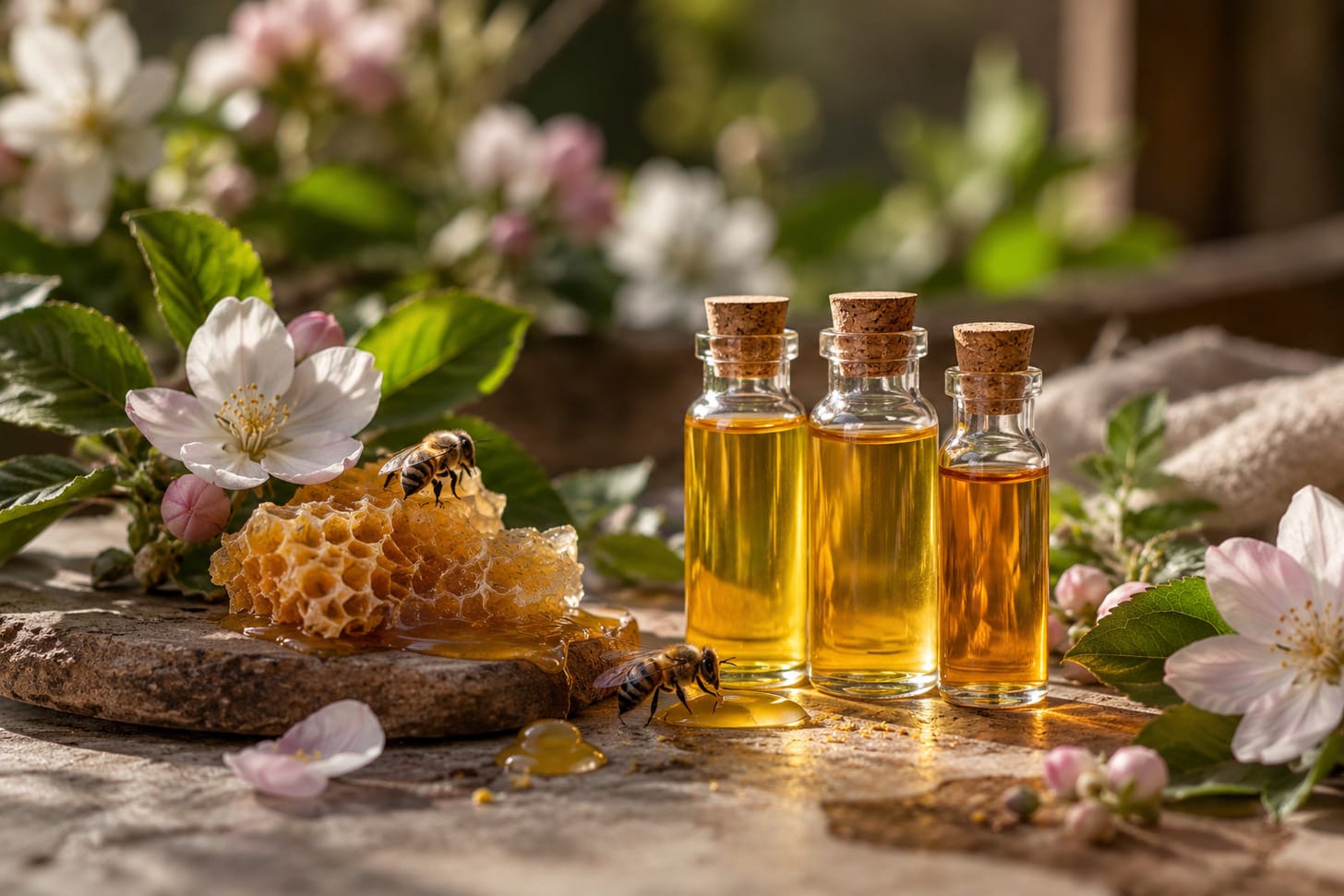

Bee venom therapy is attracting interest as a complementary approach to menopause-related joint pain and skin concerns, but it is not an established menopause treatment. Bee venom contains many biologically active substances, including melittin, a peptide that makes up a substantial proportion of dried venom in some analyses. The exact percentage varies according to the bee species, collection method, and laboratory test, so the often-repeated “50%” figure should not be treated as universal. Laboratory and animal studies suggest that melittin and other venom components may have anti-inflammatory properties and may affect pain signaling, immune responses, and certain cells. These findings describe possible mechanisms; they do not prove that bee venom will improve health, arthritis, skin aging, or any other disease in people.
Some clinical studies have examined bee venom acupuncture or injections for arthritis symptoms, including tenderness, swelling, and morning stiffness. However, these studies generally involved people with arthritis rather than people specifically experiencing menopause, and they may differ in dose, treatment method, comparison group, and quality. Results from arthritis research therefore cannot automatically be applied to menopause. Bee venom may also cause local reactions or serious allergic reactions, including anaphylaxis, even when previous bee stings caused only mild symptoms. Do not use live stings, injectable venom, or unregulated products without qualified medical advice. This article discusses research and possible benefits, not a prescription: bee venom is not a substitute for menopause care, arthritis treatment, emergency allergy management, or evidence-based medicine.
Key Takeaways
- What the research suggests: Bee venom and melittin show anti-inflammatory and other biological effects in laboratory and early clinical studies, but evidence for menopause-specific benefits remains limited.
- Joint symptoms: Small studies of bee venom therapy have reported changes in pain, tender joints, swelling, or morning stiffness in some arthritis participants; they do not establish a reliable treatment for menopausal symptoms.
- Skin health: Bee venom cosmetics are products, not proven treatments. Claims about collagen, skin regeneration, acne, or eczema require stronger independent studies and should not replace dermatologic care.
- Safety: Bee stings and concentrated venom can trigger redness, pain, swelling, hives, breathing problems, or anaphylaxis. People with venom allergies should avoid intentional exposure.
- Bottom line: More research, including well-designed studies in menopausal people, is needed to clarify the effects of bee venom, appropriate dosing, long-term safety, and whether its possible benefits outweigh its risks.
Ethical Considerations and Risks
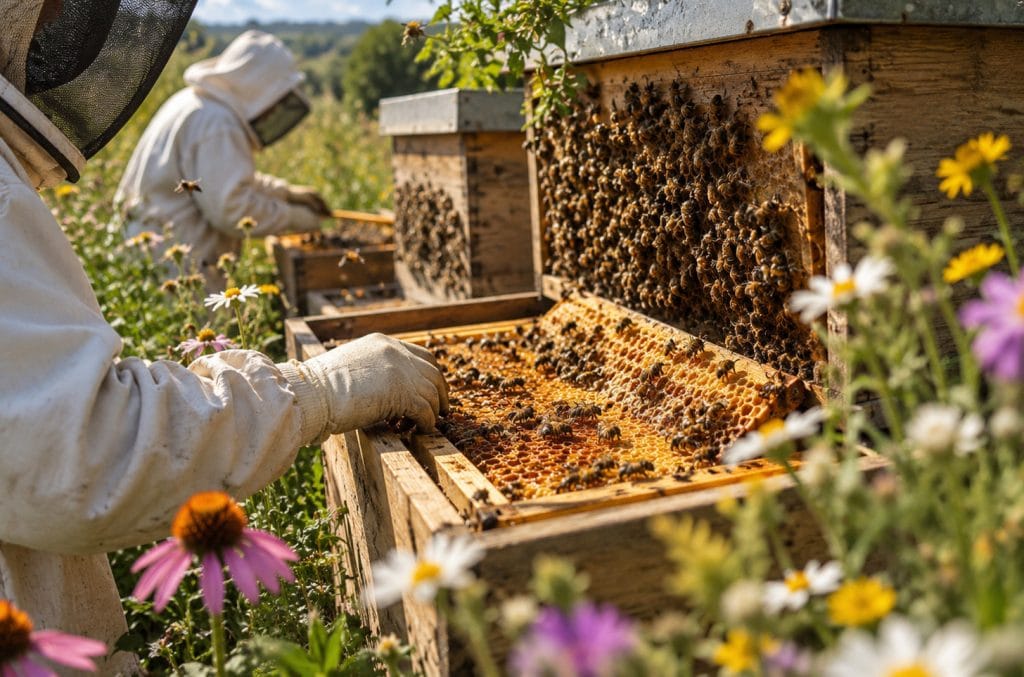
Ethical bee venom collection should protect bee health, colony welfare, and the wider environment. Bees are important pollinators, but the ecological effects of venom extraction depend on the method, frequency, equipment, and colony-management practices. Some producers use a collection plate that delivers a mild electrical stimulus, causing the bee to deposit venom on a surface rather than lose its stinger. This method is often described as non-lethal, but research should continue to assess its effects on bee behavior, stress, mortality, colony health, and venom composition. A responsible claim about bee venom products should be supported by transparent sourcing information rather than by marketing language alone.
When evaluating venom therapy or bee venom therapy, look for companies that identify the source, collection method, quality controls, and independent animal-welfare standards. Ethical sourcing does not prove that the venom has clinical benefits, and sustainable collection does not automatically make a treatment safe or effective. Products should also disclose ingredients, concentration, batch information, and appropriate warnings. A topical product, oral product, live-sting procedure, and medical injection are different forms of treatment with different risks; consumers should not assume that evidence for one can be applied to another.
Allergic reactions are the most serious safety concern. Bee venom can cause local pain, redness, itching, or swelling, but it can also trigger a systemic reaction in people who have previously tolerated bee stings. Warning signs include widespread hives, swelling of the lips, tongue, or throat, difficulty breathing, wheezing, dizziness, vomiting, confusion, or collapse. These symptoms may indicate anaphylaxis, a medical emergency. Use prescribed epinephrine immediately if available and call 911; do not wait to see whether the reaction improves. A controlled clinic can provide monitoring and emergency medicine, but it cannot eliminate the risk.
Never intentionally expose yourself to bee stings or use unregulated venom products at home. Avoid providers who cannot explain their training, treatment dose, emergency plan, or infection-control procedures. Before considering any bee venom therapy, discuss your allergy history, asthma, medicines, pregnancy status, immune-system condition, and other health concerns with a qualified clinician. The possible benefits of this therapy remain uncertain, while the risks are well documented; careful research, ethical bee practices, and informed medical supervision are essential.
What is Bee Venom Therapy?
Bee venom therapy, or BVT, is a complementary practice that exposes a person to bee venom in an attempt to affect pain, inflammation, or other symptoms. Its history is often linked to apitherapy traditions in Egypt, China, and other cultures, where bee stings were used in traditional medicine. Historical use can explain why interest continues, but it does not establish safety or effectiveness. Modern approaches differ substantially: venom may be delivered through live bee stings, injections of a measured venom preparation, bee-venom acupuncture, or topical products such as creams and serums. These methods are not interchangeable, and evidence for one method cannot automatically be applied to another.
Bee venom contains many components, including the peptides melittin and apamin and the enzyme phospholipase A2. Melittin has anti-inflammatory properties in some laboratory and animal models, while other venom components can influence pain pathways, cell membranes, and immune signaling. These biological effects may help researchers study possible mechanisms, including how venom could reduce inflammation in arthritis. However, a laboratory effect or a change in an immune-system marker does not demonstrate a meaningful clinical benefit. Mechanism studies cannot show that bee venom will improve menopause symptoms, chronic pain, arthritis, or any other disease in people.
Live bee stings intentionally deliver an unpredictable amount of venom and can cause local pain, redness, and swelling or a severe systemic reaction. Injected preparations may permit more controlled dosing, but they do not remove the risk of allergic reactions. In the United States, FDA approval of a particular allergen extract or venom-immunotherapy product does not mean that every purified bee venom injection, bee-venom acupuncture procedure, cream, supplement, or other venom therapy product is FDA-approved for arthritis, menopause, Lyme disease, back pain, or another condition. Claims that bee venom is an approved treatment for these conditions should therefore be checked against the product label, regulatory records, and peer-reviewed research. Some small studies have explored pain or arthritis outcomes, but their findings do not establish a standard treatment.
Potential benefits must be weighed against the possible effects of bee venom. In addition to local reactions, people may develop hives, dizziness, breathing difficulty, low blood pressure, or anaphylaxis. Do not assume that a previous mild reaction predicts a safe future exposure. There is also no reliable evidence that women generally experience side effects more often than men. People with a known bee-venom allergy, uncontrolled asthma, mast-cell disease, severe cardiovascular disease, or a history of serious reactions should avoid intentional exposure unless an allergy specialist recommends and supervises a specific medical protocol. Anyone who is pregnant or taking medicines such as beta-blockers or ACE inhibitors should discuss the risks with a clinician before considering venom therapy.
If you are considering bee venom therapy, consult a qualified healthcare professional who can review your medical history, medicines, allergies, and treatment goals. Never self-administer bee stings or injections, and do not treat a serious condition with unregulated venom products. Current research may clarify the mechanisms and possible benefits of bee venom, but BVT remains an investigational or complementary option rather than an established menopause treatment. Evidence-based care for arthritis, pain, allergies, and other health conditions should continue alongside any carefully evaluated treatment decision.
The Science Behind Bee Venom and Its Benefits
Research on bee venom examines how its components may affect inflammation, pain signaling, microbes, and immune activity. Melittin is one of the best-studied peptides in venom. In laboratory experiments, it can disrupt cell membranes and show anti-inflammatory properties, but the same membrane activity may also contribute to tissue injury and other toxic effects. Bee venom also contains apamin, phospholipase A2, and additional peptides and enzymes whose effects depend on the dose, route of exposure, and biological system studied. These findings help researchers investigate possible mechanisms; they do not establish that bee venom is a safe or effective medicine for menopause, arthritis, skin disease, infection, or cancer.
The human evidence is more limited than many promotional claims suggest. A small clinical study published in 2018 reportedly examined bee-venom acupuncture for arthritis symptoms, but bee-venom acupuncture is not the same as live bee stings or a standardized venom injection. When evaluating that study, readers should check the participants, randomization, treatment dose, comparator, blinding, follow-up, adverse reactions, and absolute changes in pain, tenderness, swelling, and function. A treatment can appear promising while still having uncertain clinical importance. A later review or meta-analysis also emphasized the need for larger, better-designed trials. Differences among studies in venom preparation, acupuncture technique, dosing, and outcome measurement make it difficult to combine their results or apply them to menopausal joint pain.
Animal and cell studies provide useful early evidence but cannot establish treatment benefits in people. In models of inflammation or arthritis, melittin and other bee venom components may reduce inflammatory signals, alter immune-cell activity, or improve selected laboratory measures. These effects may help explain why researchers continue to study bee venom for rheumatoid arthritis and other inflammatory conditions. However, an effect in an animal model does not prove relief for a person with arthritis, and findings from arthritis research do not automatically apply to hormone-related symptoms during menopause. Human studies should report effect sizes, confidence intervals, adverse events, and the risk of bias rather than simply describing the therapy as effective.
Laboratory research has also explored the antibacterial and antiviral effects of bee venom. Such findings may be relevant to drug discovery, but they do not mean that bee venom can cure an infection or replace prescribed antimicrobial treatment. Similarly, melittin can trigger cell death, including apoptosis, in some cultured cancer cells. This is an early laboratory observation, not evidence that bee venom is a cancer treatment. Concentrations that affect cells in a dish may be unsafe in the human body, and venom can cause pain, swelling, allergic reactions, and organ toxicity. People should not use bee venom to treat cancer, an infection, or another serious disease outside a properly regulated clinical study.
Current research is investigating ways to deliver venom components more precisely, including nanoparticles, hydrogels, and other drug-delivery systems. These technologies may alter how venom reaches specific tissues and could potentially reduce unwanted effects, but they remain experimental. A systematic review can identify patterns in the evidence, while a clinical trial can test whether a treatment improves symptoms and health outcomes; neither type of research makes every bee venom therapy product effective. For now, the possible benefits of bee venom remain uncertain, and more rigorous studies are needed to determine whether any preparation has a meaningful role in arthritis treatment, menopause care, or another medical condition.
Bee Venom and Joint Pain Relief in Menopause
Joint pain and stiffness are common during perimenopause and menopause, but not every symptom is caused by changing hormones. Age-related changes, osteoarthritis, previous injury, reduced activity, sleep problems, thyroid disease, vitamin deficiencies, and inflammatory arthritis can all contribute. Before considering bee venom therapy, seek an evaluation if pain is persistent, severe, affects several joints, or occurs with prolonged morning stiffness, warmth, redness, fever, unexplained weight loss, or marked swelling. A diagnosis helps determine whether exercise, physical therapy, weight management, menopause hormone therapy, an anti-inflammatory medicine, or another treatment is appropriate.
Bee venom contains melittin and other substances with anti-inflammatory properties in laboratory and animal research. These compounds may affect inflammatory pathways and pain signaling, and some experimental studies suggest they could reduce inflammation. However, these effects do not establish that bee venom will relieve menopause-related pain in people. Research on bee venom acupuncture and other forms of bee venom therapy has mainly involved arthritis or other pain conditions, not menopausal participants. The results are limited by small samples, different preparations and doses, inconsistent methods, and the risk of bias. Evidence for arthritis cannot automatically be transferred to menopause.
Claims that a fixed course, such as 18 treatments, can reverse a disease process should not be repeated without confirming the original intervention, diagnosis, study design, and outcome measurements. Even when a study reports a change in pain or joint tenderness, that result may not represent a meaningful or lasting benefit. Bee venom therapy also carries risks, including pain at the treatment site, redness, swelling, infection, and potentially life-threatening allergic reactions. Live bee stings deliver an unpredictable amount of venom and should never be used as a home treatment for arthritis or menopause symptoms.
Bee venom has a long history in traditional and alternative medicine, but historical use and anecdotal reports from beekeepers are not reliable evidence of a treatment effect. If someone is considering this approach, it should be discussed with a qualified clinician rather than added to a treatment plan independently. Acupuncture without venom, physical activity adapted to ability, strength training, sleep support, and evidence-based arthritis care may provide safer options for managing symptoms. Menopause hormone therapy may help some people with selected menopausal symptoms, but it is not interchangeable with venom therapy and should be considered according to individual benefits, risks, and medical history. The linked Purely Wellness article may provide general educational context, but it should not replace clinical guidelines or peer-reviewed research.
At present, bee venom should be viewed as an investigational or complementary approach, not a proven treatment for menopause joint pain or arthritis. More well-designed studies must compare standardized products with established care, report absolute improvements and adverse effects, and include menopausal participants. Until that evidence is available, the possible benefits of bee venom should be weighed against its uncertain effect and known allergy risk.
Bee Venom for Skin Health During Menopause
Menopause can affect skin health by reducing estrogen-related support for moisture, elasticity, and barrier function. People may notice dryness, increased sensitivity, fine lines, or changes in acne and other skin conditions. Bee venom cosmetics are marketed for wrinkles and firmness, but a cosmetic product is not the same as a medical treatment. Evidence for bee venom creams, serums, and other products remains limited, and results may vary according to the formulation, concentration, application method, and study quality.
Some small cosmetic studies have explored whether bee venom might temporarily improve the appearance of fine lines or support collagen-related measurements. Claims that a particular cream can triple collagen in seven days require independent verification of the published study, sponsor, sample size, measurement method, and statistical results. Without that information, such a claim should not be treated as established fact. A smoother appearance may reflect hydration, light reflection, or temporary tightening rather than proven long-term collagen remodeling. Research on bee venom also does not show that it can reverse skin aging.
Although bee venom may have antimicrobial or anti-inflammatory effects in laboratory studies, that does not make it a proven treatment for acne, eczema, or another skin disease. It may irritate sensitive skin and can cause local or systemic allergic reactions, especially in people sensitized by previous bee stings. If you try a legally marketed topical product after speaking with a healthcare professional, follow its label, avoid broken skin and the eye area, and stop using it if burning, itching, redness, pain, or swelling develops. A small-area patch test may identify some local irritation, but it cannot rule out a serious allergy.
For basic menopausal skin care, use a gentle cleanser, a fragrance-free moisturizer, and broad-spectrum sunscreen. A dermatologist can recommend evidence-based treatment for persistent acne, eczema, rash, severe dryness, or rapidly changing lesions. Do not rely on bee venom products in place of prescribed care. Their potential cosmetic benefits remain uncertain, and their safety depends on the product and the person using it.
Potential Risks and Side Effects of Bee Venom Therapy
Bee venom therapy can cause local side effects, including a stinging sensation, pain, redness, itching, warmth, and swelling where venom enters the body. The reaction may be stronger after repeated exposure, and the amount of venom delivered by a live bee sting is not predictable. Other reported effects can include fatigue, dizziness, nausea, headache, or worsening inflammation. Although some people seek possible health benefits from this treatment, these risks are important when considering bee venom for arthritis, menopause symptoms, skin concerns, or any other condition.
More serious allergic reactions to bee venom can develop within minutes or, occasionally, later. Warning signs include widespread hives, swelling of the lips, tongue, or throat, trouble breathing, wheezing, chest tightness, dizziness, vomiting, confusion, a rapid heartbeat, or collapse. Anaphylaxis is a life-threatening emergency. If systemic symptoms occur, use prescribed epinephrine immediately and call 911; lie down if possible and do not drive yourself for care. Do not wait for antihistamines to work or assume that a previous mild reaction means future venom exposure will be safe.
Allergy evaluation can help an allergy specialist assess a person’s history and determine whether venom immunotherapy is appropriate for a specific medically indicated condition. However, a negative allergy test does not guarantee that every form of bee venom therapy, injection, sting, cream, serum, or supplement is safe. Testing for one venom or product may not predict reactions to another. A patch test also cannot rule out a systemic allergy and should not involve concentrated venom applied at home. People with a known bee-sting allergy should not intentionally expose themselves to bee stings.
Never self-administer live stings or injectable venom, and do not use unregulated products marketed for pain, arthritis, weight loss, infection, or menopause. Creams, serums, supplements, and injections may differ in concentration, ingredients, manufacturing controls, and legal status. Before considering any products, ask a qualified clinician or pharmacist who made them, what type and dose of venom is used, whether the lot and ingredients are disclosed, whether third-party testing is available, what evidence supports the product, and what emergency plan is in place. “Natural” does not mean harmless, and commercial availability does not prove effectiveness.
Extra caution is needed for people with asthma, mast-cell disorders, cardiovascular disease, immune-system conditions, pregnancy, or a history of severe allergic reactions. Tell the clinician about every medicine and supplement you take, including beta-blockers, ACE inhibitors, anticoagulants, and medicines that could affect emergency treatment. A provider should also review possible interactions, infection risks, and whether the proposed treatment could delay appropriate care for arthritis or another disease. Medical supervision reduces some risks but cannot eliminate them.
Research on Bee Venom Therapy and Menopause
Research on bee venom therapy and menopause remains limited. Most clinical studies have examined arthritis, musculoskeletal pain, or other conditions rather than people specifically in perimenopause or postmenopause. Some small studies report changes in pain, tenderness, or inflammation after bee venom acupuncture, but differences in products, doses, treatment schedules, comparison groups, and outcome measures make the results difficult to interpret. Evidence from arthritis studies should not be presented as proof that bee venom improves menopause symptoms or skin health.
Laboratory and animal studies may help explain how venom components affect inflammatory pathways, pain signaling, or immune cells, but they cannot establish a clinical effect in people. There is not enough high-quality evidence to recommend bee venom as a standard treatment for menopause, arthritis, or skin disease. Larger, independently conducted studies should include menopausal participants, compare bee venom with established treatment or placebo, measure meaningful symptoms, report adverse reactions, and follow participants long enough to assess lasting benefits and delayed harms. The linked Research article may offer general information, but authoritative clinical guidance and peer-reviewed studies should guide medical decisions.
How to Safely Incorporate Bee Venom into Your Routine
The safest way to approach bee venom is to discuss it with a qualified healthcare professional before using it. Do not add venom to a wellness routine simply because a product claims to support health, reduce inflammation, or relieve pain. Ask about the product identity, dose, route of administration, supporting studies, allergy history, asthma, medicines, pregnancy, underlying conditions, and emergency plan. A clinician can also help identify evidence-based treatment options for menopause symptoms or arthritis.
If a clinician approves a topical product for a specific purpose, choose one with complete ingredient and concentration information, a lot number, legal labeling, clear manufacturer details, and appropriate warnings. Follow the label exactly, avoid broken or irritated skin and the eye area, and stop using it if burning, hives, pain, redness, or swelling occurs. A home patch test may reveal local irritation, but it cannot prove that the product is safe or prevent anaphylaxis. Never use a concentrated venom preparation or intentionally sting yourself at home.
Conclusion
The possible benefits of bee venom therapy for menopause remain uncertain. Bee venom contains biologically active substances such as melittin, and laboratory studies have examined anti-inflammatory properties and effects on pain pathways. However, these findings do not establish that venom therapy improves menopausal symptoms, arthritis, skin health, or any other disease in people. Human research has generally focused on small studies of arthritis or other conditions rather than menopause-specific treatment.
Risks include pain, swelling, skin irritation, allergic reactions, and potentially life-threatening anaphylaxis. Animal research has also raised toxicity questions, but findings such as nephrotoxicity should not be generalized to humans without reliable clinical evidence. Ethical collection, accurate product labeling, and qualified medical supervision are important, but supervision cannot eliminate the risks of intentional venom exposure.
If you are considering bee venom therapy, first identify the symptom and obtain an appropriate diagnosis. Discuss evidence-based treatment options with a qualified healthcare professional, including the possible risks of live bee stings, injections, topical products, or supplements. Do not self-administer venom or use it as a substitute for established menopause care, arthritis treatment, dermatology care, or emergency allergy medicine. Future research may clarify whether a standardized preparation has a limited medical role, but no bee venom product should currently be marketed as a cure.