

Have you ever wondered if there’s a way to navigate menopause without relying on hormone replacement therapy?
Menopause is a big change in a woman’s life, usually starting in the late 40s or early 50s. It lasts for several years. Symptoms include hot flashes, sleep problems, mood swings, weight gain, and bone loss.
But, there are natural ways to ease these symptoms. You can make lifestyle changes and try alternative therapies. These methods help manage menopause naturally, focusing on each woman’s unique experience and overall health.
Explore this guide to find out how natural remedies can change your menopause journey.
Key Takeaways
- Natural menopause treatments can include lifestyle changes and alternative therapies.
- Herbal supplements like black cohosh may alleviate symptoms such as hot flashes.
- Dietary changes can help manage menopause naturally, especially with soy and flaxseed.
- Regular exercise and mindfulness practices can aid in mood stabilization and sleep improvement.
- Avoiding triggers like caffeine and alcohol can reduce the severity and frequency of hot flashes.
- Consultation with a healthcare provider ensures safe use of any supplements or therapies.
Herbal Supplements for Menopause Relief
Menopause often starts in a woman’s 40s or 50s. It brings symptoms like hot flashes, night sweats, and mood swings. Many women use herbal supplements for relief.
Black cohosh is often talked about for menopause symptoms. Studies in Germany show it can help with hot flashes. The German health authorities approve it for six months.
Phytoestrogens, like soy isoflavones, are also helpful. They might improve bone health and reduce hot flashes. Red clover is also effective in reducing hot flashes, according to studies.
Flaxseed is another popular choice for hormonal balance. It may help reduce hot flashes. Soy is also beneficial for menopause symptoms due to its phytoestrogens.
But, always talk to a healthcare provider before starting herbal supplements. The supplement market is not as regulated as prescription drugs. This can lead to side effects and interactions.
Evening primrose oil is about 10% more effective than a placebo for hot flashes. Maca root can also boost sex drive and reduce psychological symptoms.
But, the evidence for herbal supplements is not always clear. Dong quai, for example, showed no difference in hot flashes or vaginal dryness compared to a placebo.
With so many options and mixed results, making informed choices is key. Always consult with healthcare professionals. This ensures the supplements are safe and right for you.
Dietary Changes to Manage Menopause Symptoms
Making smart food choices can help with menopause. It’s important to get enough calcium and vitamin D for your bones. A big study showed that eating dairy and plant proteins can lower hip fracture risk. Foods rich in calcium and vitamin D help keep your bones strong.
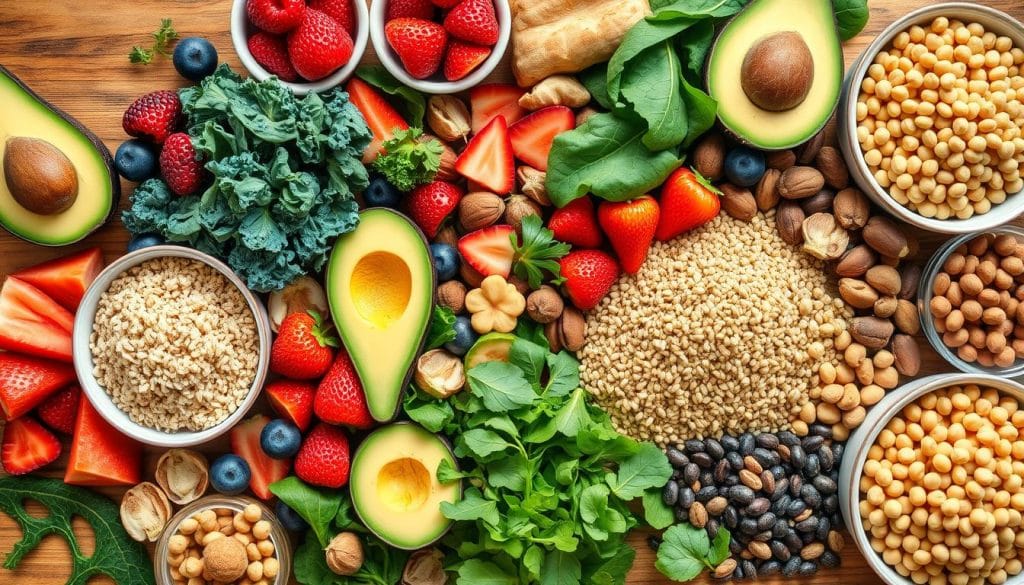
A heart-healthy diet is also key. The Mediterranean diet is a good choice. It focuses on lean meats, whole grains, and veggies. A study found that eating more fruits and veggies can help with menopause symptoms.
Keeping a healthy weight is also important during menopause. Your metabolism slows down, making it harder to lose weight. Eating more protein helps keep your muscles and bones strong. Experts say to aim for 1–2 grams of protein per kilogram of body weight.
Adding healthy fats to your diet is also beneficial. Foods like fatty fish, flax seeds, chia seeds, and avocados help with nutrient absorption. They can also lessen menopause symptoms. By making these dietary changes, you can stay healthy and strong during menopause.
The Power of Exercise and Physical Activity
Regular exercise during menopause can greatly improve your well-being. This life stage often brings challenges like weight gain, mood swings, and sleep issues. But, adding physical activity to your routine can help manage these symptoms well.
Studies show that combining exercise with dietary supplements can bring many health benefits. Activities like walking, cycling, and resistance training are highly recommended. Research suggests that endurance exercises lasting 20-50 minutes at a heart rate of 120-160 beats per minute are best for menopausal women.
These workouts can improve sleep quality, boost energy levels, and enhance mood. High-Intensity Interval Training (HIIT) has been shown to reduce body weight and fat mass. Resistance exercises focusing on strength and muscle growth are also beneficial.
These activities help maintain a healthy weight and reduce stress. They contribute to overall mental health. Yoga is also a powerful exercise for menopausal women, improving sleep quality and well-being.
By adding yoga to your routine, you can alleviate stress and feel more calm. This promotes better mental and emotional health. The Center for Disease Control and Prevention recommends at least 150 minutes of moderate-intensity exercise or 75 minutes of high-intensity exercise each week for menopausal women.
They also suggest strength training exercises on two or more days. These guidelines help maintain health during menopause. Starting an exercise regimen during menopause should be done gradually.
Aim for consistency and steady improvements, not high-intensity workouts right away. This gradual approach helps your body adapt, reducing injury risk and promoting long-term habit formation.
Lifestyle Adjustments to Alleviate Discomfort
Menopause can be tough, but making some lifestyle changes can help. It usually starts around 51 years old in the U.S. By focusing on healthy living during menopause, you can ease symptoms and feel better overall.
Eating well is key. Foods rich in calcium, vitamin D, and magnesium help prevent bone loss. Adding fruits, veggies, and staying hydrated can also boost your comfort.

Quitting smoking is another big step. It can cut down on hot flashes. Staying smoke-free is good for your health and makes menopause easier.
Drinking less alcohol can also help. The alcohol effect on hot flashes is strong. Cutting back on booze can make you feel more comfortable during menopause.
Exercise is important too. Aim for 150 minutes of moderate activity and two strength workouts a week. It can lessen hot flashes and improve your mood. Keep your bedroom cool to fight night sweats and sleep better.
Managing stress is crucial for healthy living during menopause. Try mindfulness, yoga, or deep breathing. These can reduce stress and boost your mental health. Adding these to your daily life can help you handle menopause symptoms better.
Avoiding Common Triggers
It’s important to know which foods and substances can make menopause symptoms worse. Things like caffeine, alcohol, spicy foods, and sugary snacks can make hot flashes, night sweats, and mood swings worse. Keeping a menopause symptom diary can help you figure out what to avoid.
Since most women get hot flashes, it’s key to watch how caffeine affects them. Caffeine can make hot flashes worse, so it’s best to cut down or stop drinking it. Many women find that eating mindfully and losing weight helps with hot flashes too.
Low estrogen levels can also cause vaginal dryness and discomfort. So, it’s important to think about what you eat. Stress and not getting enough sleep can also make symptoms worse. Keep track of these in your diary too.
By avoiding common triggers, you can reduce menopause discomfort. Talking to your doctor about caffeine and hot flashes can also help. They can give you advice that’s just right for you.
Aromatherapy and Mindfulness Techniques
Aromatherapy and mindfulness offer natural ways to deal with menopause’s emotional and physical challenges. Using essential oils can help reduce stress and improve your mood. Oils like lavender, clary sage, and geranium are calming and work well in diffusers or with massage.
Mindfulness techniques, such as MBSR for hormonal balance, are also helpful. MBSR combines meditation and yoga to manage stress and emotional changes in menopause. It can improve your emotional stability and reduce symptoms like hot flashes.
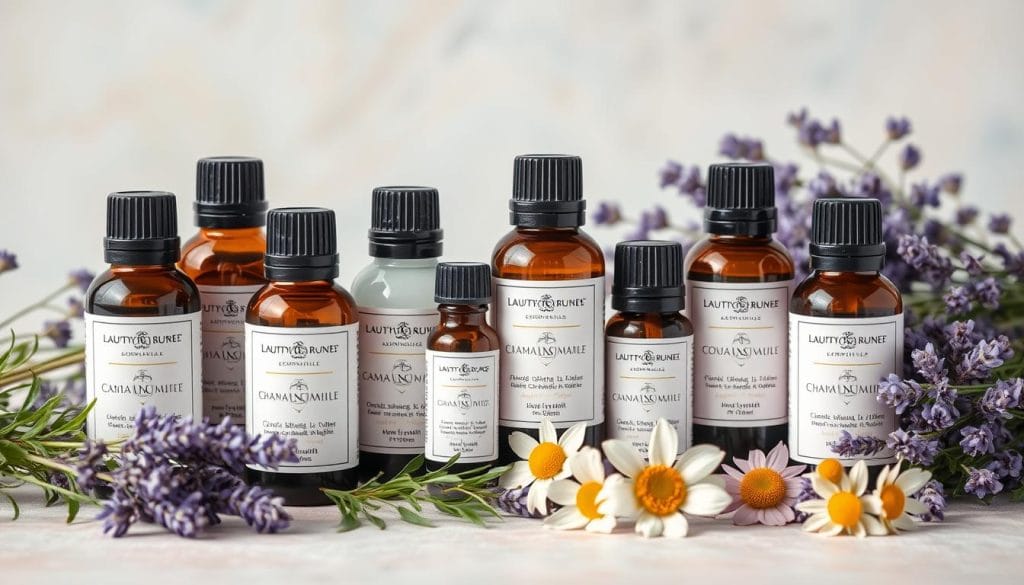
Yoga and meditation also have big benefits for menopause. They can help you sleep better, feel less stressed, and improve your emotional health. Adding tai chi to your routine can also boost your physical health by making you more flexible and reducing joint pain.
Using essential oils, MBSR, and yoga and meditation together offers a complete approach to managing menopause symptoms. These natural remedies can help you find balance and harmony during this time.
Alternative Therapies and Their Efficacy
Exploring alternative therapies can greatly help with menopause symptoms. CBT for menopause can lower depression and hot flashes. Hypnosis is also promising, often as effective as some meds for hot flashes.
Biofeedback for stress management is another key method. It helps control heart rate and muscle tension. This reduces stress linked to menopause.
Research keeps showing the value of these methods. They offer hope for those looking beyond traditional treatments. CBT and biofeedback can offer mental and physical relief.
For those avoiding meds, these therapies can bring surprising benefits. Hypnosis and biofeedback offer a range of options. They show promise in managing symptoms.
More research is needed, but these methods should be discussed in menopause care. CBT, hypnosis, and biofeedback can create a balanced approach. They help manage the complex symptoms of menopause.
Conclusion
Starting your menopausal journey is about using smart strategies and natural support. We’ve looked at many natural remedies to help with symptoms. These include herbal supplements, diet changes, and exercise.
Phytoestrogens, found in over 300 plants, help with symptoms like hot flashes. Regular exercise can also help with hot flashes, joint pain, and fatigue. Eating a diet full of plants, fruits, and proteins can lessen symptoms too.
Therapies like hypnosis and aromatherapy are also helpful. Studies show they can work as well as medicine. Always talk to your healthcare provider about these options to make sure they’re safe and right for you.
There are many natural remedies to choose from. They can help you feel confident and in control during this time. Use natural support and make choices that fit your needs.
FAQ
What are some natural remedies for menopause symptoms?
How can herbal supplements like black cohosh help with menopause?
What dietary changes are beneficial during menopause?
Why is exercise important during menopause?
What lifestyle adjustments can alleviate menopause discomfort?
Which foods and substances should be avoided during menopause?
How can aromatherapy and mindfulness techniques help during menopause?
What are alternative therapies for managing menopause symptoms?
Source Links
- Natural Treatments for Menopause Symptoms
- 11 Natural Ways to Reduce Symptoms of Menopause
- Natural remedies for menopause
- 10 Herbs and Supplements for Menopause
- Botanical and Dietary Supplements for Menopausal Symptoms: What Works, What Doesn’t
- Menopause Diet: How What You Eat Affects Your Symptoms
- 7 Dietary Guidelines for Menopause
- Menopause Diet: What to Eat to Help Manage Symptoms
- Physical Exercise and Dietary Supplementation in Middle-Aged and Older Women: A Systematic Review
- Physical Activity and Health During the Menopausal Transition
- The Importance of Exercise for Women’s Health During Menopause | OB-GYN Specialists of South Miami
- Your Complete Guide to Menopause
- Treating menopause symptoms
- Menopause symptoms and relief | Office on Women’s Health
- Menopause – Things you can do
- Menopause – Diagnosis and treatment
- Menopause and natural therapies
- Natural Remedies for Menopause Symptoms | LifeMD
- Role of Alternate Therapies to Improve the Quality of Life in Menopausal Women: A Systematic Review
- Hot flashes-Hot flashes – Diagnosis & treatment – Mayo Clinic
- A review of effective herbal medicines in controlling menopausal symptoms
- Best 7 Natural Menopause Treatments That Really Work – My:Skyn
- Do menopause supplements work?