
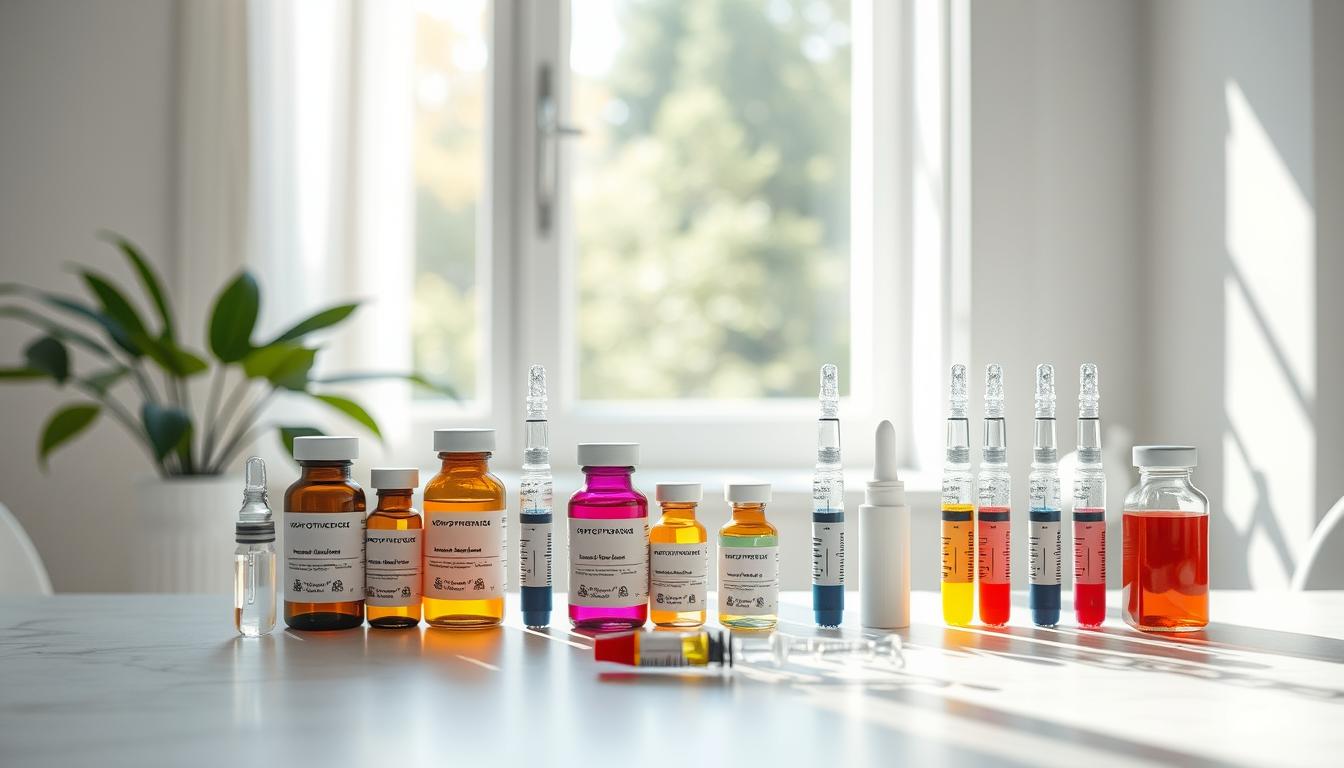
Hormone replacement therapy (HRT) is a treatment for menopause symptoms. It aims to balance hormone levels. Knowing the good and bad sides of HRT is key to making a smart choice for your health. This guide will help you understand the benefits and risks of HRT.
Key Takeaways
- HRT helps manage menopause symptoms such as hot flashes and night sweats.
- There are different types of hormone replacement therapy tailored to individual needs.
- While HRT has benefits, it also carries potential risks like increased heart disease and stroke.
- Consulting a healthcare provider is essential to determine if you are a good candidate for HRT.
- Alternative treatments and lifestyle changes can also help manage menopause symptoms.
Introduction to Hormone Replacement Therapy
Hormone Replacement Therapy (HRT) helps ease symptoms caused by hormonal imbalance. It’s key for women going through menopause and peri-menopause, and for men facing andropause. It works by balancing hormone levels that are too low.
HRT has been around for decades. It was first used to help with menopause symptoms. Later, it also helped men with andropause. Today, HRT is safer and more effective for managing hormonal imbalances.

I have read hundreds of positive reviews about the following book, a book that will dispel and explain the claim that HRT causes breast cancer in women. If you feel this would be a helpful recommendation for you; 'Estrogen Matters: Why Taking Hormones in Menopause Can Improve and Lengthen Women's Lives—Without Raising the Risk of Breast Cancer'. Please follow this link to the book, or click the audio book link instead.
In women, menopause and peri-menopause mean big hormonal changes. Estrogen and progesterone levels drop, causing hot flashes, night sweats, and mood swings. For men, andropause means less testosterone, leading to fatigue, depression, and low libido.
HRT supplements the hormones the body lacks. This helps reduce symptoms of hormonal imbalance. For women, it’s estrogen; for men, it’s testosterone. The goal is to improve life quality during these changes.
Learning about HRT can help you see its value in managing hormonal imbalances. It’s a key solution for symptoms during menopause, peri-menopause, or andropause.
The Benefits of Hormone Replacement Therapy
Hormone Replacement Therapy (HRT) can greatly improve your life, especially if you’re dealing with tough menopause symptoms. It’s known for cutting down hot flashes and night sweats. Estrogen therapy is especially good at easing these symptoms, helping you sleep better and feel more at ease during the day.
HRT also helps keep your bones strong. It protects against bone loss, lowering the chance of osteoporosis. This is key for women after menopause, when bones start to weaken faster.

Starting HRT at the right time can also be good for your heart. If done right after menopause, estrogen therapy might lower heart disease risk. This shows how HRT can boost your health and life span in many ways.
In summary, HRT is a smart choice for managing menopause symptoms and keeping bones and heart healthy. It’s a great way to improve your life now and in the future.
The Risks Associated with Hormone Replacement Therapy
Hormone replacement therapy (HRT) has many benefits. But, it’s important to know the risks. One big worry is the chance of getting blood clots. Studies show HRT can increase this risk, which can be deadly if clots reach the lungs.
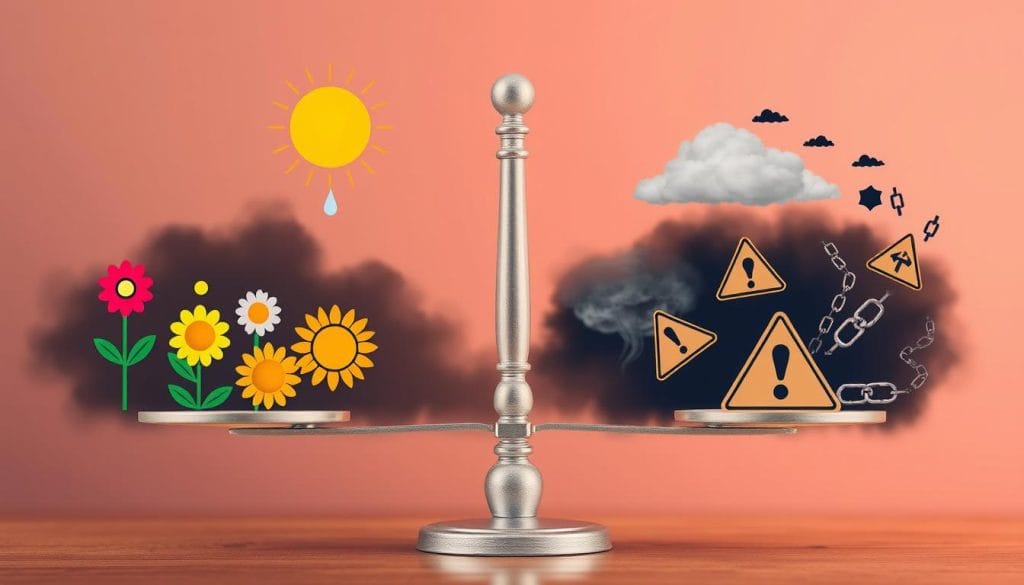
There’s also a higher risk of breast cancer with some HRT types. Long-term use of combined HRT can raise breast cancer risk, especially for over five years. It’s key to consider these dangers before starting HRT.
HRT can also raise the risk of heart disease. It may lead to heart attacks and strokes, especially in older people or those with heart issues. Knowing these risks helps you decide if HRT is right for you.
Women using HRT after menopause face higher risks of serious problems. Yet, every person’s situation is different. It’s vital to talk to your doctor about these risks to find the best treatment for you.
Types of Hormone Replacement Therapy
Knowing about the different types of Hormone Replacement Therapy (HRT) is key to making a good choice. HRT options are mainly divided into systemic and local therapies. For example, systemic estrogen is great for many menopausal symptoms. It can be given in forms like patches and pills.
Systemic HRT affects your whole body. It comes in forms like oral pills or transdermal patches. Patches release hormones through your skin, giving a steady flow of systemic estrogen into your blood. Pills, however, have to go through your digestive system before their active parts reach your blood.
Bioidentical hormones are also popular. They are chemically the same as the hormones your body makes naturally. They can be given as patches or pills, offering a more natural HRT choice. Many think bioidentical hormones are safer and more effective.
Local HRT therapies target specific areas, like vaginal creams or rings. They are used for symptoms like vaginal dryness and discomfort. While they help in the area they’re applied, they don’t affect the whole body like systemic estrogen does.
The right HRT option depends on your symptoms and health history. Whether you prefer bioidentical hormones in patches or traditional pills, knowing the differences helps you pick the best for you.
How to Determine If You Are a Good Candidate for Hormone Replacement Therapy
Figuring out if you’re a good fit for Hormone Replacement Therapy (HRT) involves looking at several things. First, you need to review your medical history. This includes any past illnesses, surgeries, and current health issues that might affect your HRT choice. Also, knowing your family’s health history, especially if they had serious conditions like heart disease or cancer, is important.
Your lifestyle is also key. Things like smoking, drinking, diet, and exercise can change how well HRT works for you. Talking about your lifestyle with your doctor can help understand how it affects your HRT suitability.
Another important part is checking your hormone levels. Blood tests will show your current hormone levels and if there are any imbalances. This information is crucial for doctors to create a personalized HRT plan for you.
Lastly, your symptoms and age are considered. If menopause symptoms are really bothering you and you’re in the right age range, HRT might be suggested. All these factors—medical history, lifestyle, hormone levels, and symptom severity—help your doctor decide if HRT is right for you.
Common Myths About Hormone Replacement Therapy
There are many HRT misconceptions that confuse people thinking about this treatment. One big myth is that hormone replacement therapy is only for women. But, both men and women can get benefits from HRT, based on their health needs.
Another myth is that HRT always causes weight gain. While some people might see weight changes, it’s not true for everyone. Many things can affect weight, and HRT is just one factor.
Some people worry that HRT is not safe for everyone. But, this is not true. Modern HRT is made to fit each person’s health, making it safe for many. By breaking HRT myths, you can make a better choice for your health care.
I have read hundreds of positive reviews about the following book, a book that will dispel and explain the claim that HRT causes breast cancer in women. If you feel this would be a helpful recommendation for you; 'Estrogen Matters: Why Taking Hormones in Menopause Can Improve and Lengthen Women's Lives—Without Raising the Risk of Breast Cancer'. Please follow this link to the book, or click the audio book link instead.
Alternatives to Hormone Replacement Therapy
If you can’t or don’t want to try hormone replacement therapy (HRT), there are other choices. Non-hormonal treatments can help with menopause symptoms and other hormone issues. They offer a holistic way to manage your health and might be better if you don’t like taking hormones.
Lifestyle changes can really help your health. Regular exercise and a healthy diet can ease symptoms naturally. Yoga and meditation can also lower stress and help balance your hormones.
Looking into natural remedies is another smart move. Phytoestrogens, found in plants, act like estrogen in the body. Soy, flaxseeds, and lentils are good sources of these compounds and can be added to your meals.
Alternative medicine also has many options. Acupuncture and herbal supplements are known for their benefits in managing menopause symptoms. Herbs like black cohosh and red clover have been used for centuries to support women’s health during hormonal changes.
If you’re looking for non-hormonal drugs, there are choices. SSRIs and gabapentin can help with hot flashes and mood swings without hormones.
In short, there are many alternatives to HRT. From lifestyle changes and natural remedies to alternative medicine and non-hormonal treatments, you can choose what works best for you. These options let you take control of your health and find a treatment that fits your preferences and needs.
How to Manage Side Effects of Hormone Replacement Therapy
Managing side effects of hormone replacement therapy (HRT) needs a few key steps. By using effective strategies, you can make your therapy experience better. One important step is adjusting your HRT dose. It’s crucial to talk to your healthcare provider to find the right dose for you.
When you take your hormone doses can also help manage side effects. Some people find that taking their medication at a certain time of day helps. Try different times with your doctor’s help to find what works best for you.
Also, living a healthy lifestyle can help reduce side effects. Regular exercise, a balanced diet, and enough sleep improve your overall health. These habits support your body’s adjustment to HRT.
Keeping in touch with your healthcare provider is key during your HRT treatment. They can help you overcome any challenges and guide you on dose adjustments. Working closely with your medical team ensures the best results for your hormone therapy.
Conclusion
Hormone Replacement Therapy (HRT) has both good and bad sides. By looking at its benefits, risks, types, and other options, you can make a smart choice. It’s key to think about HRT carefully, especially for easing menopause symptoms or hormone problems.
Going through this article shows how important it is to talk to doctors. They can create a health plan just for you, based on your needs and health history. Every person is different, so a plan made just for you is best.
Deciding on HRT should be a thoughtful process with expert advice. With the info from this article and your doctor’s help, you’re ready to make the best choice for your health.
I have read hundreds of positive reviews about the following book, a book that will dispel and explain the claim that HRT causes breast cancer in women. If you feel this would be a helpful recommendation for you; 'Estrogen Matters: Why Taking Hormones in Menopause Can Improve and Lengthen Women's Lives—Without Raising the Risk of Breast Cancer'. Please follow this link to the book, or click the audio book link instead.
I have read hundreds of positive reviews about the following book, a book that will dispel and explain the claim that HRT causes breast cancer in women. If you feel this would be a helpful recommendation for you; 'Estrogen Matters: Why Taking Hormones in Menopause Can Improve and Lengthen Women's Lives—Without Raising the Risk of Breast Cancer'. Please follow this link to the book, or click the audio book link instead.