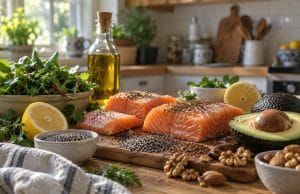

Ground flaxseeds are a practical food to add to a balanced diet during menopause. They provide fiber, lignans, and plant-based omega-3 fatty acids, which may support heart health and digestion. Research on whether flaxseed can reduce hot flashes is limited and mixed, so it should not be presented as a treatment for menopause symptoms. For evidence-based information about symptom management, visit menopause myths and facts.

Key Takeaways
- Flaxseeds may help support overall health, but they are not proven to reduce hot flashes or other menopause symptoms.
- Begin with about one tablespoon of ground flaxseed daily and increase gradually if tolerated.
- Lignans are phytoestrogens, but they do not act like prescribed estrogen therapy.
- Evidence for reducing the frequency or severity of hot flashes remains limited.
- Ground seeds supply fiber and omega-3 fatty acids; amounts vary by serving size.
- Women with allergies, digestive conditions, or medication concerns should consult a clinician before using flaxseed regularly.
Understanding the Power of Flaxseeds During Menopause
Perimenopause is the transition before menstrual periods stop, while menopause begins after 12 consecutive months without a period; postmenopause follows. The timing and combination of menopause symptoms vary among women and may include hot flashes, sleep changes, and mood concerns. Flaxseeds contain lignans, phytoestrogenic compounds that interact with the body differently from estrogen medication. Their role in symptom support is still being studied.
Some research suggests flaxseed may help reduce hot flashes, but results are inconsistent. Evidence does not establish a reliable reduction in frequency severity or prove that flaxseed can reduce frequency severity hot flashes by a specific percentage. Flaxseed’s omega-3 fatty acids may support cardiovascular health, but symptom management and cardiovascular-risk reduction are separate issues.
Hot flashes and night sweats affect many menopausal women, although estimates differ by study and population. Dietary patterns that include fiber-rich foods may support general health, digestion, and blood-lipid levels, but flaxseed is not a natural solution for anxiety or mood symptoms. Discuss persistent or severe symptoms with a qualified clinician.
Flaxseeds are a nutrient-dense food that can contribute to a balanced diet. They may support overall health, but current evidence is not strong enough to promise menopause relief or a consistent reduction in hot flashes.
The Science Behind Flaxseeds and Menopause Relief
Flaxseeds are nutrient-dense seeds that provide alpha-linolenic acid (ALA), a plant-based form of omega-3 fatty acids, lignans, and fiber. These nutrients support normal body function and overall health. Ground whole flaxseed can be stirred into oatmeal, yogurt, or salads, although research has not established that it consistently improves menopause symptoms or reduces the frequency or severity of hot flashes.
Flaxseed oil is concentrated in ALA and other fatty acids, but it generally contains little or no fiber and far fewer lignans than ground whole flaxseed. ALA is an important omega-3 fatty acid, but the body converts only limited amounts to EPA and DHA, so fish and algae are separate sources. Lignan content can vary substantially by seed variety and processing, so precise levels should be treated as estimates.
Some clinical studies suggest flaxseed may help improve blood-lipid levels, but results vary by dose, preparation, and participant health. Changes in cholesterol do not prove that flaxseed prevents obesity, balances hormones, or improves menopause symptoms. Likewise, lipid findings cannot be used to claim a reduction in hot-flash frequency severity.
| Flaxseed ComponentContent per 100g | |
| α-linolenic acid (ALA) | About 5-6 g in whole seeds |
| Oleic acid | Variable; higher in flaxseed oil |
| Lignans | Variable by variety and processing |
| Fiber | About 27 g in whole seeds |
Choose the form that fits your nutritional goals, and remember that flaxseed’s general benefits are distinct from proven menopause treatment.
Essential Kitchen Tools for Preparing Flaxseeds
Adding flaxseed to your diet can be an easy way to increase fiber and plant-based omega-3 fatty acids, although it is not proven to treat menopause symptoms. A coffee grinder, spice grinder, or small food processor can grind the seeds; a measuring spoon and airtight container are also useful. Grinding shortly before eating may help preserve freshness, but ordinary grinding does not automatically destroy nutrients.
Buy small quantities of whole flaxseed and store them in a cool, dark place. Keep ground flaxseed in a sealed container in the refrigerator or freezer. Discard it if it develops a bitter, stale, or paint-like smell, which can indicate rancidity. Stir a small amount into oatmeal, yogurt, or a smoothie, and increase gradually while drinking enough fluid.
People with swallowing difficulties, bowel narrowing, or a history of intestinal blockage should not consume large amounts of dry flaxseed without medical advice. Omega-3 fatty acids may support general health, but evidence is not strong enough to say flaxseed can help reduce hot flashes or reduce hot symptoms. Consult a clinician about regular use if you take medication or have a digestive condition.
Flaxseed is a versatile food, not a guaranteed menopause treatment. Use it to add nutrients to balanced meals, and discuss persistent symptoms with a healthcare professional.
Breakfast Ideas: Starting Your Day with Flaxseeds
Managing menopause symptoms can be challenging, but cooking with flaxseeds can make a balanced breakfast more satisfying. Flaxseeds provide fiber, lignans, and plant-based omega-3 fatty acids, but they have not been proven to balance hormones or reliably prevent hot flashes. A breakfast containing protein and fiber may help support steady energy and make it easier to manage hunger during menopause.
Try pancakes made with ground flaxseed and oats, or add one tablespoon of flaxseed to plain yogurt, berries, and unsweetened milk. Whole grains, fruits, nuts, and seeds contribute protein, vitamins, minerals, and fiber. For smoothies, use unsweetened milk or yogurt, leafy greens, berries, and a protein source. Juice, sweetened yogurt, and large amounts of fruit can raise the drink’s added or natural sugar content. These foods may help reduce overall cardiovascular risk as part of a healthy eating pattern, but they are not a treatment for hot flashes.
A nutritious breakfast cannot guarantee fewer hot flashes or less severe flashes, yet it can provide practical nourishment. Track whether particular foods seem to affect your flashes, since triggers and responses vary.
| Breakfast IdeaIngredientsBenefits | ||
| Flaxseed Pancakes | Ground flaxseed, oats, almond flour, and plain yogurt | Provides fiber, protein, and omega-3 fatty acids |
| Flaxseed Smoothie | Ground flaxseed, leafy greens, berries, unsweetened milk, and protein-rich yogurt | Provides fiber, protein, vitamins, and minerals |
Incorporating Flaxseeds into Main Meals
Exploring healthy recipes with flaxseeds makes it easy to add these nutrient-dense seeds to everyday meals. Ground flaxseed can bind ingredients in chicken or fish coatings, thicken soups, or add a nutty flavor to roasted vegetables. Pair it with beans, tofu, whole grains, avocado, avocados, or nuts for balanced foods that provide protein, fiber, vitamins, and minerals.
Start with about one tablespoon of ground flaxseed daily and increase to two tablespoons if tolerated. Sprinkle it over salads, oatmeal, soups, or stir-fries. Flaxseed oil is another source of omega-3 fatty acids, but use it as a cold dressing or finishing oil rather than for high-heat cooking. Remember that plant-based omega-3 fatty acids are not the same as EPA and DHA from fish.
Here are some healthy recipes that feature flaxseeds: flaxseed-crusted chicken or fish with roasted vegetables; a bean, quinoa, and flaxseed bowl; a tofu and vegetable stir-fry finished with flaxseed oil; or a fruit salad topped with one tablespoon of ground flaxseed. These foods offer practical sources of protein, fiber, and healthy fats without requiring excessive amounts of flaxseed.
Adding measured portions of flaxseed to main meals is a simple way to enhance flavor and nutritional value.
Sweet Treats and Desserts with Flaxseeds
Flaxseeds can add a pleasant nutty flavor and fiber to occasional desserts, including cookies, brownies, muffins, and pudding. However, these foods do not treat menopause symptoms, and adding flaxseed does not make a dessert low in sugar or automatically healthy.
Lignans are phytoestrogenic compounds, but their effects are not equivalent to estrogen therapy. There is not enough evidence to say that flaxseed desserts improve hot flashes, reduce hot flashes, or reliably lessen their severity. Women should view these recipes as enjoyable foods within a balanced diet, not as a treatment for flashes.
For a more nutrient-dense option, try chia-flax pudding with unsweetened milk, an oat-based muffin with little added sugar, or plain yogurt with berries and ground flaxseed. Keep portions moderate and check recipes for added sugar and saturated fat. A dessert can contribute to overall health when eaten occasionally, but it remains a treat rather than a therapeutic food.
Flaxseed may help add fiber and healthy fats to a dessert, but it is not proven to relieve hot flashes or other menopause symptoms. Enjoy it as one food in a varied eating pattern.
Common Mistakes to Avoid When Cooking with Flaxseeds
Cooking with flaxseeds can add fiber and other nutrients to meals, but ordinary grinding does not deplete their value. The main concern is oxidation after grinding. Store whole seeds in a cool, dark place, and keep ground flaxseed in a tightly sealed container in the refrigerator or freezer. A bitter, stale, or paint-like smell indicates rancidity.
Grind only what you need with a flaxseed, coffee, or spice grinder, and add it to smoothies, baked goods, oatmeal, or salads. Flaxseed may help support general health, but it is not proven to help reduce menopause symptoms or reduce hot flashes consistently in frequency or severity.
| TipsBenefits | |
| Store whole seeds properly | Slows oxidation and preserves freshness |
| Refrigerate or freeze ground flaxseed | Helps limit rancidity and protect nutrients |
| Increase portions gradually | May reduce gas, bloating, or bowel discomfort |
Ask a clinician before regular use if you take anticoagulants, diabetes or blood-pressure medication, are pregnant, or have swallowing problems, bowel narrowing, or a history of obstruction.
Meal Planning and Preparation Tips
Using balanced dietary strategies and healthy recipes can support overall health during menopause, although no single food reliably prevents menopause symptoms such as hot flashes or mood changes. Plan meals around vegetables, fruits, a protein source, whole grains or legumes, and unsaturated fats. Flaxseed may help add fiber and plant-based omega-3 fatty acids, but it is not equivalent to estrogen medication.
Phytoestrogens in flaxseeds and isoflavones in soy products interact with the body differently from prescribed estrogen. Include varied foods such as beans, tofu, fish, poultry, eggs, nuts, avocado, avocados, and seeds. These foods can provide protein, fiber, vitamins, minerals, calcium, vitamin D, and iron. Hydration supports normal body function, but drinking more water alone has not been proven to prevent hot flashes.
Here are some meal planning tips to get you started:
| MealIngredientsBenefits | ||
| Flaxseed Breakfast Bowl | Ground flaxseeds, fruits, plain yogurt, and nuts | Provides fiber, protein, calcium, and healthy fats |
| Grilled Salmon with Quinoa | Salmon, quinoa, vegetables, and avocado | Provides protein, whole grains, omega-3 fatty acids, vitamins, and minerals |
For simple preparation, cook a batch of quinoa, wash vegetables, portion nuts, and refrigerate ground flaxseed for several meals. This approach makes nutritious meals easier to assemble and may support health, even though it cannot guarantee fewer hot flashes or milder flashes.
Tracking Your Progress and Symptom Relief
Adding flaxseed to a balanced diet may help support general health, but it has not been proven to alleviate menopause symptoms. A food diary can help menopausal women observe patterns without assuming that flaxseed caused a change. Symptoms naturally fluctuate, so tracking cannot establish whether a food will reduce hot flashes.
Record the date, flaxseed amount, meals, medications, sleep, stress, and any hot flashes. Note their frequency, duration, and severity, along with joint pain, fatigue, mood changes, menstrual history, or any bleeding after menopause. Over several weeks, this record may show whether the frequency or severity of flashes changes, but it cannot prove that flaxseed will reduce frequency or reduce frequency severity.
Combine symptom tracking with appropriate medical care, regular movement, and a balanced eating pattern. Ask a healthcare professional before making major diet or exercise changes, particularly if you take medication. Seek prompt care for chest pain, severe or unusual symptoms, or new bleeding after menopause.
A varied diet containing calcium, vitamin D, and other vitamins supports bone health and normal body function. Discuss nutrient levels and supplements with a clinician rather than relying on flaxseed alone.
Tracking gives you useful information to discuss with a healthcare professional, but it should complement—not replace—evidence-based treatment for hot flashes and other symptoms.
Conclusion: Empowering Your Menopause Journey Through Flaxseed Cuisine
Cooking with flaxseeds can be a practical way to add fiber and plant-based omega-3 fatty acids to your diet during menopause. These nutrient-rich seeds may support general health, but current evidence is insufficient to promise that they will regulate hormones, treat menopause symptoms, or help reduce hot flashes.
Start with a small serving of ground whole flaxseed, such as one tablespoon, and increase gradually if tolerated. Pair it with a varied diet that includes protein, vegetables, fruits, whole grains, and other nutritious foods. Track symptoms and discuss persistent or disruptive symptoms with a healthcare professional. Women with medical conditions, swallowing or bowel concerns, or medication questions should seek individualized advice.
Flaxseed cuisine can be one part of a broader wellness plan, not a comprehensive solution. Although some foods fight inflammation or support cardiovascular health, no single food is proven to reliably reduce hot flashes. Enjoy flaxseed in balanced meals while using evidence-based options for symptom management.