

Are you going through menopause and looking for relief? You’re not alone. Many women find that a ketogenic lifestyle helps a lot. It promotes hormonal balance and eases common symptoms.
By eating more fat and less carbs, you might find a new ally in menopause. Let’s dive into the science behind the ketogenic diet and its benefits during this stage of life.
Understanding Menopause Symptoms
Menopause is a big change in a woman’s life. It brings many physical and emotional symptoms. Each symptom can be challenging in its own way.

Hot flashes are a common symptom. They cause sudden heat, making you sweat. They can interrupt your day and are hard to predict.
Mood swings are another symptom. You might feel happy one minute and sad or angry the next. This can make it hard to keep good relationships and affect your life quality.
Sleep problems are common too. Hot flashes and mood swings can make it hard to sleep well. Not getting enough sleep can make you feel tired and less productive.
Weight gain is also a concern. Hormonal changes can make you gain weight, especially around your belly. To manage your weight, you need to make healthy lifestyle changes.
What is the Ketogenic Diet?
The ketogenic diet, or keto, is a diet low in carbs and high in fat. It helps your body enter a state called ketosis. In ketosis, your body uses fats for energy instead of carbs.

Quick Recommendation: This blog tries to offer additional ideas or products that might help support you in your menopause journey. If you are looking for a recommendation, feel free to follow this link. Keto & Menopause - 200 Tasty Recipes
This diet cuts down on carbs and ups fat intake. It’s made of about 70-80% fat, 10-20% protein, and 5-10% carbs. This change makes your body produce ketones from fat breakdown. Ketones become your main energy source, putting you in ketosis.
Starting this diet can make you feel a bit off, known as the “keto flu.” It’s a short period where your body adjusts to using fat for energy. But soon, you’ll see better energy, brain function, and overall health. Adopting ketosis can lead to weight loss and better metabolic health, making it a good choice for many.
The Connection Between Diet and Hormones
Understanding how diet affects your hormones is key, especially during menopause. Your diet greatly influences your body’s hormonal responses. Insulin, a hormone that controls blood sugar, plays a big role in your health.
Keeping insulin regulation in check can greatly improve your hormonal balance. The ketogenic diet, with its low carbs and high fats, may help stabilize hormones. By eating fewer carbs, you need less insulin, leading to better hormonal responses.
Here are some ways a ketogenic diet affects insulin and hormone balance:
- Less sugar means fewer insulin spikes.
- More fat keeps energy levels stable.
- Improved glucose metabolism lowers insulin resistance.

As insulin levels stabilize, other hormones like cortisol and estrogen improve. This can ease menopausal symptoms. Good insulin regulation also helps with glucose metabolism. Your body can handle blood sugar better without too much insulin.
By eating a ketogenic diet, you might find relief from menopause symptoms. It helps manage your body’s hormonal balance.
The Role of Healthy Fats
Good fats are very important, especially during menopause. They help make hormones in your body. Hormones control many body functions, so having enough healthy fats is key.
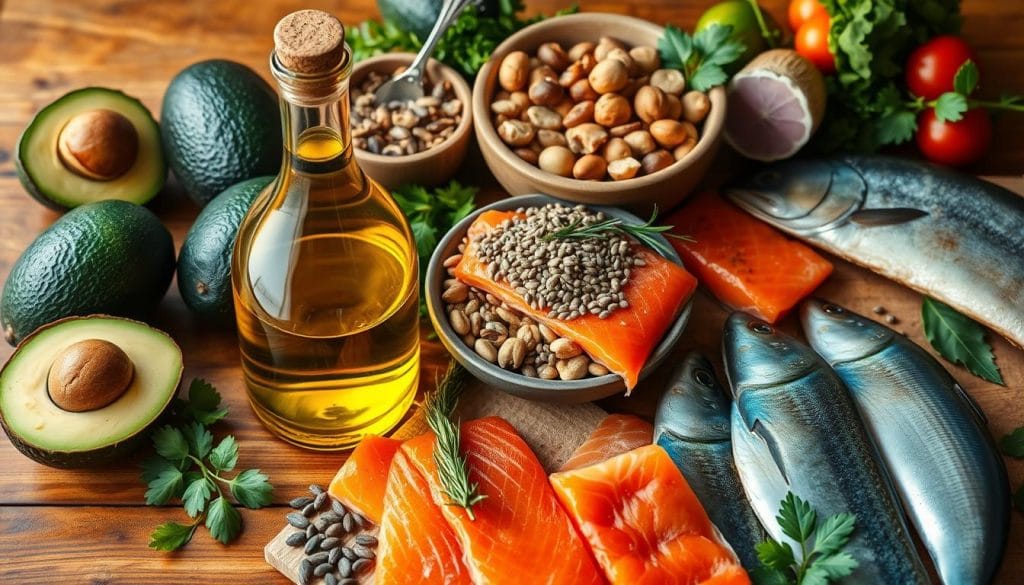
Healthy fats also help manage cholesterol levels. Not all fats are bad. The right fats can improve your cholesterol, which is important during menopause.
Adding good fats to your diet is easy. Try avocados, nuts, seeds, and olive oil. These foods taste great and give you the fats you need. They support hormone balance and cholesterol levels, helping you feel better during menopause.
Managing Weight Gain with Keto
Menopause often leads to unwanted weight gain. But, the ketogenic diet can help manage this issue. It focuses on low-carb and high-fat foods, which control your appetite and lead to fat loss.

Quick Recommendation: This blog tries to offer additional ideas or products that might help support you in your menopause journey. If you are looking for a recommendation, feel free to follow this link. Keto & Menopause - 200 Tasty Recipes
The ketogenic diet is great for appetite control. It cuts down carbs and boosts healthy fats. This puts your body in ketosis, where it burns fat instead of sugar. This not only keeps blood sugar stable but also reduces hunger.
Adding keto to your life can also help with lasting fat loss. Hormonal changes in menopause slow down metabolism, making it hard to lose weight. The keto diet boosts your metabolic rate and helps your body burn fat better, aiding in weight management.
Also, a diet high in healthy fats and moderate protein keeps you full longer. This helps control your appetite and supports your fat loss goals.
In summary, the ketogenic diet’s metabolic advantage and appetite control can help manage weight gain and achieve lasting fat loss during menopause.
Benefits of Reduced Sugar and Carbohydrates
Switching to a ketogenic diet means cutting down on sugar and carbs. This change can bring many health benefits, especially for women going through menopause. Lowering sugar helps keep your blood sugar stable, which is key when hormone levels change during menopause.
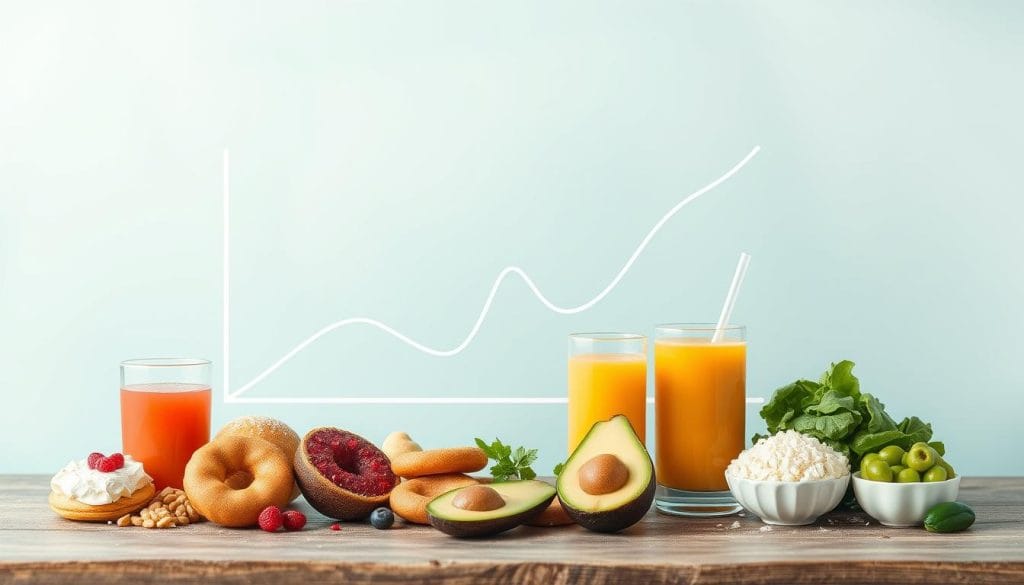
Less carbs also means less inflammation. Inflammation is a big problem in menopause, leading to many symptoms. By reducing it, you can feel better and avoid chronic conditions.
Stable blood sugar also means no energy crashes or mood swings. This is great during menopause when hormones can make you feel off-balance. By watching your carb and sugar intake, you can live a healthier life.
In conclusion, eating less sugar and carbs on a ketogenic diet has many benefits. You’ll see better blood sugar control, less inflammation, and improved health during menopause. Knowing these benefits can really help your health journey.
Protein Intake on Keto and Its Impact on Menopause
Getting enough protein on a ketogenic diet is very good for women going through menopause. This time, the body changes a lot. These changes can affect how much lean muscle you have and your metabolic rate.
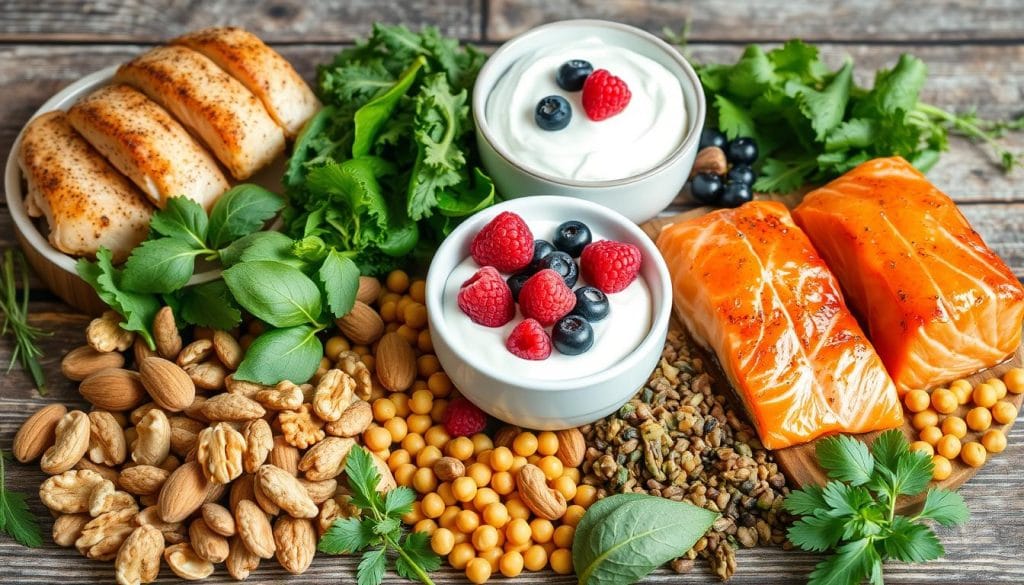
Protein-rich foods are key to keeping lean muscle. When estrogen levels go down, muscle mass often drops. This makes your metabolism slower. Eating enough protein helps keep muscle and keeps your metabolism healthy.
Also, a ketogenic diet means eating more high-quality protein like lean meats, fish, and eggs. These foods help keep muscle and keep blood sugar stable. This is very important during menopause. Eating the right amount of protein also helps with weight control by making you feel full and preventing overeating.
In short, paying attention to your protein intake on a ketogenic diet can greatly improve your health during menopause. Adding protein-rich foods to your diet helps keep your muscle mass and boosts your metabolism. This makes the transition easier and more manageable.
Bone Health Benefits of the Ketogenic Diet

During menopause, keeping bones strong is key. The ketogenic diet may help with this. It boosts calcium absorption, which is important for bone health.
This diet also includes foods high in vitamin D. Vitamin D helps your body use calcium better. This is good for your bones.
The ketogenic diet might also help prevent osteoporosis. With better calcium and vitamin D, the risk of osteoporosis goes down. Adding a healthy keto diet to your life can help keep your bones strong.
How Keto Improves Mental Health During Menopause
Menopause can be tough, with mood swings and changes in thinking. A ketogenic diet might help a lot. It can improve mood, thinking, and mental focus.
The ketogenic diet is great for mood stabilization. When you’re in ketosis, your body makes ketones. These have been shown to help stabilize your mood. This is especially helpful for the mood swings many women face during menopause.

Also, the diet boosts cognitive function. Studies show that ketones are better fuel for the brain than glucose. This can make you sharper and more focused during this life change.
Another plus is better mental clarity. Eating less sugar and refined carbs means fewer energy crashes and brain fog. This makes everyday tasks and decisions easier.
By focusing on these benefits, a ketogenic diet can make menopause easier. It can improve mood, thinking, and mental clarity. These changes can help your mental health a lot.
Practical Tips for Starting the Ketogenic Diet
Starting a ketogenic diet might seem hard, but it can be smooth with the right steps. Here are some tips to help you with the keto-adaptation, meal planning, and the right balance of macronutrients.
Understand the Keto-Adaptation Process: At first, your body is learning to use fat for energy instead of glucose. This change can take a few weeks. Drink plenty of water, replace lost electrolytes, and be patient as your energy levels get back to normal.
Effective Meal Planning: Plan your meals ahead to meet your nutritional needs and stay in keto range. Eat whole foods, lots of healthy fats, moderate proteins, and low-carb veggies.
Calculating Macronutrient Ratios: A typical keto diet has about 70-75% fats, 20-25% proteins, and 5-10% carbs. Use a macro calculator to adjust these ratios to fit your needs and goals.
Stocking Your Pantry: Keep keto-friendly foods like avocados, nuts, seeds, coconut oil, and dark leafy greens on hand. This makes it easy to stick to the diet and avoid temptation.
Potential Challenges and How to Overcome Them
Starting a ketogenic diet might face some hurdles, but don’t worry. Tackling the keto flu, nutrient deficiencies, and social dining are key to a smooth journey. They help you reach your health goals.
The keto flu is a common issue for newbies. You might feel headaches, fatigue, and irritability. To fight this, up your intake of electrolytes like sodium, potassium, and magnesium. Drinking lots of water and eating bone broth can also help.
Nutrient deficiencies can happen if your diet lacks balance. To prevent this, eat a variety of veggies, nuts, and seeds for vital vitamins and minerals. Adding supplements is okay, but talk to a healthcare provider first.
Social dining on a keto diet can be tough, but it’s not impossible. Here are some tips:
- Look for restaurants with keto-friendly options. Many now have low-carb dishes.
- Customize your order, like asking for a burger without the bun or swapping fries for a salad.
- At social events, eat a small keto meal before you go. It helps with hunger and temptation.
With some planning and awareness, you can overcome the keto diet’s challenges. This way, you can enjoy its long-term benefits.
Success Stories: Women Who Have Benefited from Keto During Menopause
Many women have found relief from menopausal symptoms with the ketogenic diet. Their stories show how lifestyle changes can transform lives.
Jennifer, 52, from Texas, found her life changed for the better. “I was gaining weight and feeling moody, but keto changed that. Now, I have lots of energy and fewer hot flashes.”
Sarah from California also saw big improvements. “Before keto, I had a lot of joint pain and was tired all the time. Now, I feel more flexible and can stay active.”
Marissa from the East Coast had a similar experience. “Keto improved my mental clarity and emotional stability. It’s been a game-changer for me, giving me balance and well-being.”
These stories highlight the ketogenic diet’s impact on menopausal wellness. They show how real-life changes can make a big difference.
How to Maintain Long-Term Success on the Ketogenic Diet
Long-term success on the ketogenic diet comes from adopting habits that fit your lifestyle. This way, you can enjoy the diet’s benefits while feeling great during menopause. Here are some tips:
- Stay Flexible: Life is unpredictable, and for lasting success, it is essential to keep a sense of flexibility in your approach. Adapt your ketogenic diet based on your changing needs and circumstances, rather than sticking rigidly to a set plan.
- Incorporate Variety: To avoid monotony and ensure adherence to the diet, explore diverse keto-friendly foods and recipes. Experimenting with new ingredients and meals keeps things exciting and sustainable in the long run.
- Prioritize Life-Long Health: Focusing on life-long health rather than short-term gains will help you maintain the ketogenic diet effectively. It’s not just about weight management but also about overall well-being including mental clarity and hormonal balance during menopause.
- Set Realistic Goals: Establish achievable milestones instead of being overly ambitious. This approach will help you celebrate small victories and stay motivated, ultimately leading to a more sustainable and enjoyable diet.
- Seek Support: Connect with a community of like-minded individuals or consult with healthcare professionals who can provide guidance and encouragement. Having a support system plays a crucial role in maintaining sustainable habits.
By embedding flexibility into your ketogenic lifestyle and prioritizing life-long health, you can develop sustainable habits. These habits support both your dietary goals and overall well-being during menopause. Embrace the journey with an open mind and adapt as needed for consistent, long-term success.
Consulting with Healthcare Providers
Starting the ketogenic diet during menopause needs careful planning. Every woman’s experience is different. So, getting advice from healthcare providers is key.
Experts like endocrinologists, dietitians, and gynecologists can help. They tailor your diet to fit your body’s needs. This ensures your ketogenic plan works best for you.
Here are some important things to talk about with your doctor:
- They’ll check your hormones and health.
- They’ll consider your unique health needs.
- They’ll suggest diet changes that are safe and right for you.
Regular visits with your doctor are important. They help you stay on track and make any needed changes. Their support is crucial for managing menopause and enjoying the ketogenic diet’s benefits.
Getting medical advice is a big step in managing menopause symptoms. It’s about taking care of yourself and getting the right care. This approach can make your menopause journey better.
Conclusion
Starting your menopausal journey can be empowering. Using a holistic approach makes it even better. The ketogenic diet helps manage symptoms like weight gain and mental health issues.
By cutting down on sugar and carbs, and eating more healthy fats and proteins, you can balance your hormones. This improves your overall health and well-being.
Menopause can also bring benefits like better bone health and mental clarity. These factors help you live a healthier, more balanced life. Seeing this time as a chance to make positive changes is key.
Adopting a new lifestyle can lead to better health and wellness. It opens doors to new experiences you might not have tried before.
Always talk to your healthcare provider before starting the ketogenic diet. It’s tailored to fit your needs, making it more effective. This way, you can face menopause with confidence and grace.
Quick Recommendation: This blog tries to offer additional ideas or products that might help support you in your menopause journey. If you are looking for a recommendation, feel free to follow this link. Keto & Menopause - 200 Tasty Recipes