

Did you know that nearly 70% of women experiencing menopause report gastrointestinal changes? As you navigate this natural life transition, understanding the intricate link between menopause symptoms and gut health might just be the key to feeling your best.
The North American Menopause Society notes that symptoms like bloating, gas, and altered bowel habits are common but often go unnoticed. Hormonal fluctuations during menopause can significantly impact your digestive health, leading to a suite of uncomfortable gastrointestinal changes.
A study published in the Journal of Clinical Gastroenterology reveals that these hormonal alterations have a profound effect on your gut. This makes it clear that menopause and digestive health are closely intertwined. The World Health Organization also highlights the global health implications of maintaining good gut health during this period.
Key Takeaways
- Approximately 70% of women experience gastrointestinal changes during menopause.
- Hormonal fluctuations impact digestive health significantly.
- Common symptoms include bloating, gas, and altered bowel habits.
- Understanding this connection can help you manage menopause symptoms better.
- Global health perspectives emphasize the importance of gut health during menopause.
Understanding Menopause and Its Symptoms

Quick Recommendation: This blog tries to offer useful products that might help support you in your menopause journey. If you are looking for a probiotic recommendation, follow this link https://amzn.to/3O1KFO0
Menopause is a natural phase that signals the end of menstrual cycles, typically hitting women in their late 40s to early 50s. It’s driven by hormonal shifts, notably the drop in estrogen and progesterone levels. Grasping these changes can aid in managing menopause symptoms.
Menopause symptoms vary greatly among women. Hot flashes are a common symptom, causing sudden warmth and sweating. The Mayo Clinic notes that these can vary in intensity and frequency, impacting daily life and sleep. Sleep disturbances, such as insomnia and frequent awakenings, are also common during this time.
Mood swings are another prevalent symptom, leading to irritability, anxiety, and depression. The American College of Obstetricians and Gynecologists points out that these mood swings are tied to hormonal shifts. Feeling emotional highs and lows is not uncommon during this phase.
Weight gain is also a symptom many women experience. Hormonal changes can slow down metabolism, making it easier to gain weight, especially around the abdomen. These symptoms collectively contribute to the physical and emotional changes of menopause. Research in the journal Menopause shows that this transition has multiple stages, each with unique challenges.
Understanding these symptoms is crucial for managing menopause effectively. By being informed about hormonal changes, you can navigate this transition more smoothly.
The Importance of Gut Health
Your gut health is crucial for overall well-being. The microbiome, a complex community of microorganisms in your digestive tract, is key. Harvard Medical School stresses the importance of a balanced microbiome for optimal digestive health. This community aids in food breakdown, nutrient absorption, and waste elimination.
Proper gut health extends beyond digestive health; it also boosts the immune system. A healthy microbiome acts as a barrier against harmful bacteria and viruses. This enhances your immune response. Research by leading gastroenterologists shows a strong link between gut health and systemic health, highlighting the need for a well-functioning gut for a strong immune system.
The National Institute of Diabetes and Digestive and Kidney Diseases offers strategies for maintaining gut health, including dietary changes and probiotics. These strategies are especially important during menopause, when many women experience significant bodily changes affecting their digestive system. Thus, maintaining gut health is vital for managing menopausal symptoms effectively.
In conclusion, nurturing your microbiome is essential for optimal digestive well-being and a strengthened immune system during menopause. By prioritizing gut health, you can significantly enhance your quality of life during this transitional phase.
How Menopause Affects Gut Health

Quick Recommendation: This blog tries to offer useful products that might help support you in your menopause journey. If you are looking for a probiotic recommendation, follow this link https://amzn.to/3O1KFO0
Menopause brings significant changes to your body, including a drop in estrogen levels. This hormonal shift can cause a variety of gastrointestinal symptoms, such as bloating and irregular bowel movements. Many find it difficult to cope with these new and often uncomfortable sensations.
Estrogen is crucial for maintaining a healthy balance in the gut microbiota. The decrease in estrogen during menopause disrupts this balance, leading to digestive problems. A study in the journal Menopause emphasizes estrogen’s role in gut microbiota composition. It highlights how hormonal changes affect gut health.
According to the International Menopause Society, hormonal fluctuations can worsen gastrointestinal symptoms. Research in endocrinology shows that estrogen decline directly impacts gut functionality. This affects overall well-being. Understanding these changes helps you manage and alleviate related symptoms.
Dietary Changes During Menopause
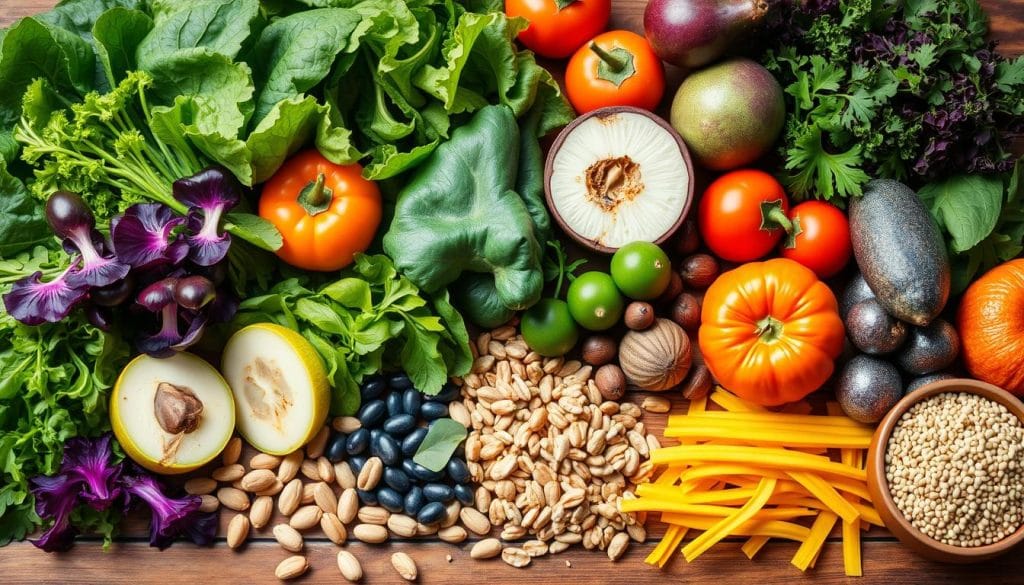
Menopause is a time to rethink your diet and focus on balanced nutrition. The Academy of Nutrition and Dietetics suggests a diet rich in plant-based foods for menopausal women. These foods are packed with nutrients, aiding in hormonal balance and overall health.
Protein is key to maintaining muscle mass and metabolic health. The National Osteoporosis Foundation recommends a calcium-rich diet to combat osteoporosis risk. Pairing calcium with vitamin D boosts absorption and bone health.
Fiber is also crucial for digestion and weight management, common concerns during menopause. The Journal of the Academy of Nutrition and Dietetics notes that plant-based diets and high fiber can improve menopause-related health.
To conclude, thoughtful dietary changes during menopause can lead to better health. Emphasize plant-based foods, ensure enough protein, and follow a calcium-rich diet. These steps support hormonal balance and overall well-being during this phase.
Managing Gas and Bloating in Menopause
Gas and bloating are common during menopause. To ease digestive discomfort, several strategies can be added to your daily routine.
First, ensure you drink enough water. Adequate hydration aids digestion and prevents constipation, which can cause bloating. The American Gastroenterological Association suggests drinking water throughout the day to keep your digestive system running smoothly.
Adding probiotics to your diet is also beneficial. Probiotics, found in fermented foods like yogurt and kefir, maintain a healthy gut balance. These beneficial bacteria can reduce digestive discomfort and bloating, as studies by the American College of Gastroenterology show.
Finally, making dietary changes can greatly improve your symptoms. Avoid foods that cause gas, such as beans and cruciferous vegetables. Instead, opt for a balanced diet rich in fiber. This supports regular digestion and reduces discomfort.
Foods That Promote Gut Health
As you navigate through menopause, your diet plays a crucial role in your gut health and overall well-being. Certain foods can help maintain a healthy gut microbiome, improve digestion, and alleviate menopause-related gastrointestinal symptoms. Let’s delve into fermented foods, a high-fiber diet, and prebiotics, which are key to making a significant impact.
Fermented foods are vital for a balanced gut microbiome. Adding yogurt, kefir, sauerkraut, and kimchi to your diet introduces beneficial bacteria, known as probiotics. These probiotics, as stated by the International Scientific Association for Probiotics and Prebiotics, strengthen your digestive health. They help maintain the gut lining and enhance nutrient absorption. By including fermented foods, you naturally boost your gut flora, potentially easing digestive issues during menopause.
High-fiber foods are also essential for gut health during menopause. Research highlights the importance of dietary fiber in preventing constipation, a common symptom. Foods like whole grains, legumes, fruits, and vegetables support a healthy digestive tract. They feed the good bacteria in your gut, fostering a diverse and resilient microbial community.
Prebiotics are another critical component for a healthy gut environment. They are dietary fibers that serve as food for beneficial gut bacteria. Garlic, onions, bananas, and asparagus are excellent prebiotic sources. According to the International Scientific Association for Probiotics and Prebiotics, prebiotics enhance the growth and activity of beneficial bacteria. This leads to better digestion and improved immune function.
Incorporating fermented foods, a high-fiber diet, and prebiotics into your meal planning can significantly benefit your gut health, especially during menopause. These dietary adjustments support your digestive system and contribute to your overall health and wellness during this significant phase of life.
Quick Recommendation: This blog tries to offer useful products that might help support you in your menopause journey. If you are looking for a probiotic recommendation, follow this link https://amzn.to/3O1KFO0