
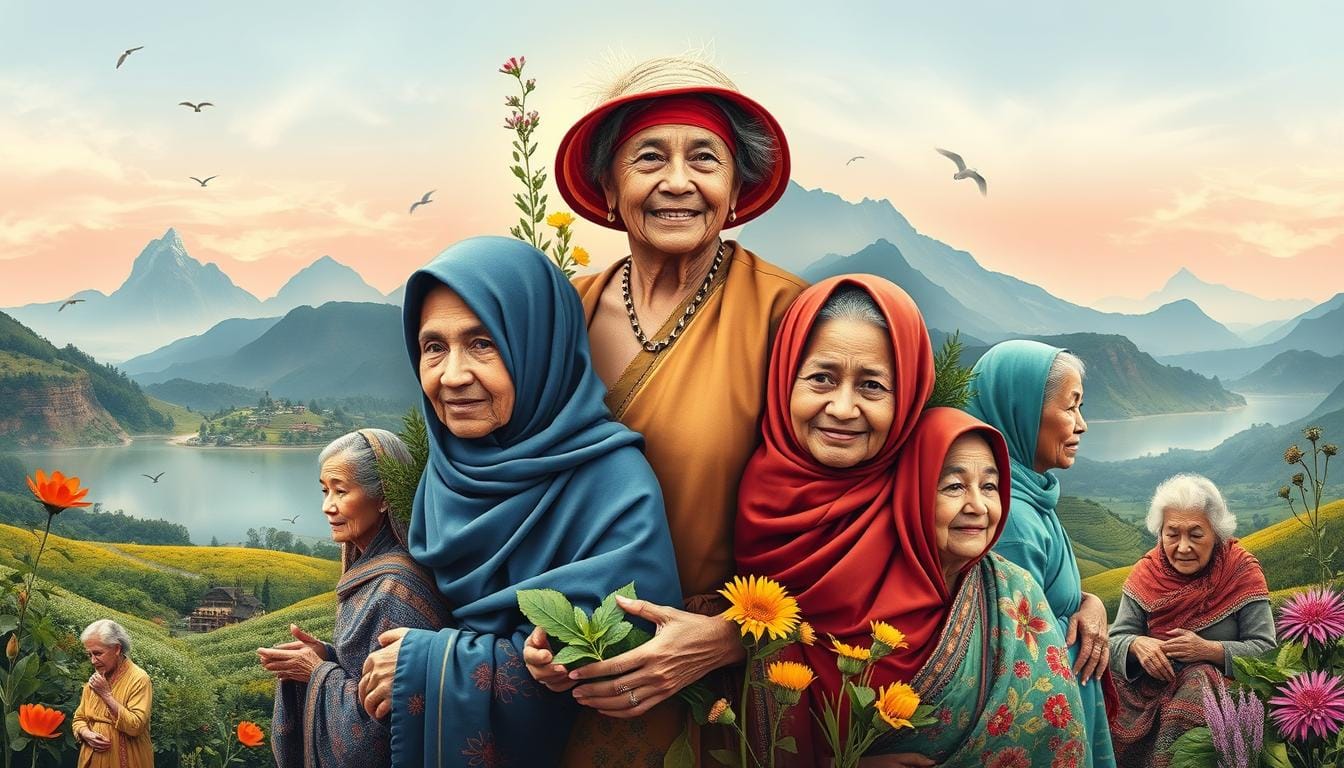

Did you know that while only 20% of Japanese women report experiencing hot flashes during menopause, up to 75% of women in the United States face this symptom? This striking difference highlights how cultural views on menopause and regional health practices significantly influence the experiences of women undergoing this natural life transition.
Menopause, marking the end of menstruation and fertility, is a universal phase in a woman’s life. However, the way this transition is perceived and managed varies considerably across the globe. From the social stigma associated with menopause in some societies to the reverence and celebration in others, cultural beliefs and societal norms shape how women navigate this journey. Understanding these diverse global menopause experiences is essential in fostering a supportive environment for women worldwide. In this article, we will explore the multifaceted cultural views on menopause, highlighting the importance of menopause awareness and education in promoting women’s well-being across different cultures.
Key Takeaways
- Menopause experiences differ greatly across cultures due to varying societal norms and healthcare resources.
- In Japan, fewer women report symptoms like hot flashes compared to their Western counterparts.
- Understanding global menopause experiences can help in creating supportive environments for women worldwide.
- Promoting menopause awareness is crucial for women’s health and well-being.
- Cultural beliefs play a significant role in shaping perceptions and experiences of menopause.
Western Perspectives on Menopause

In Western societies, menopause is viewed through a clinical lens, focusing on symptom treatment with Western medical practices. A key aspect of this treatment is hormone replacement therapy (HRT). It aims to ease symptoms like hot flashes, night sweats, and mood swings. HRT replenishes hormone levels by administering estrogen or a combination of estrogen and progestin.
Despite effective treatments, a significant menopause stigma persists. This stigma leads to negative stereotypes and hinders open discussions about menopause. Viewing menopause as a medical condition rather than a natural transition exacerbates the stigma. Many women hide their symptoms and avoid seeking help due to these attitudes.
Western countries focus more on medical interventions than holistic approaches to menopause. This emphasis on clinical solutions reflects the dominance of Western medical practices in healthcare. While medicalization can manage symptoms effectively, it might overlook the social and emotional aspects of menopause.
Understanding the personal and societal effects of menopause management is crucial. By challenging the menopause stigma and encouraging open dialogue, you can help create a more supportive environment. This is for yourself and others going through similar experiences.
| Aspect | Western Approach |
|---|---|
| Common Treatments | Hormone Replacement Therapy (HRT) |
| Prevailing Attitudes | Medicalization and stigma |
| Societal Impact | Negative stereotypes, lack of open discussion |
Menopause in Eastern Cultures
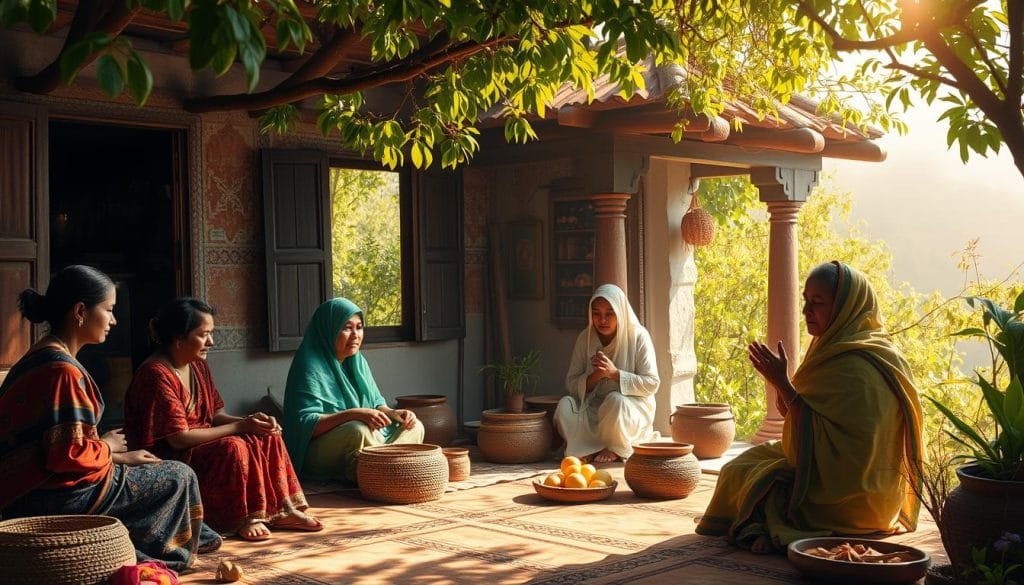
In Eastern cultures, menopause is viewed through a unique lens, focusing on holistic practices and natural remedies. Unlike the Western approach, there’s less stigma around menopause, seeing it as a natural part of aging. Here, menopause is often seen as a chance for personal growth and transformation.
What makes these views stand out is the blend of traditional practices into everyday life. Family support is crucial, with families rallying around women during menopause. This makes the experience a communal effort, rather than a solo battle.
When it comes to managing menopause holistically, certain practices are prominent. Yoga, meditation, herbal remedies, and dietary changes are widely adopted to ease symptoms. These practices are woven into daily life, showcasing a broader, more inclusive view of menopause.
Moreover, menopause is sometimes celebrated as a significant life event. This celebration can help foster positive views on aging. It works to reduce the stigma around menopause, creating a more supportive environment for women.
Traditional Chinese Medicine and Menopause
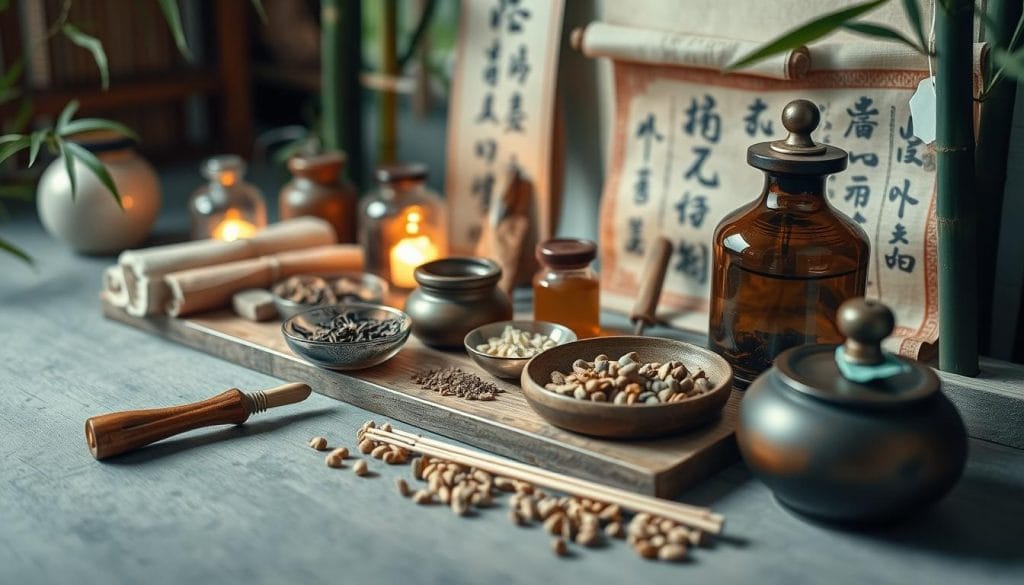
Traditional Chinese Medicine (TCM) offers a unique approach to managing menopause. It views menopause as a time to rebalance the body’s yin and yang energies. This promotes overall well-being. Treatments like acupuncture and herbal medicine are key in alleviating symptoms.
Acupuncture is a core part of TCM. It involves inserting fine needles into specific body points. This aims to restore harmony by balancing yin and yang energies. It helps with symptoms like hot flashes, night sweats, and mood swings.
Herbal medicine also plays a crucial role. Customized herb blends target individual symptoms. Dong Quai balances hormones, while Red Clover manages hot flashes.
TCM also focuses on dietary adjustments. Foods that nourish the yin, like soy and dark leafy greens, are recommended. They counterbalance the decline in estrogen.
By integrating these holistic practices, TCM offers a comprehensive approach to menopause. It ensures a smoother transition and enhances quality of life for women.
Japanese Experience of Menopause
In Japan, menopause is deeply influenced by the traditional diet, rich in soy products. Isoflavones in tofu, tempeh, and miso mimic estrogen, helping to ease menopausal symptoms. This dietary aspect is a cornerstone of the Japanese approach to menopause.
The cultural view of menopause in Japan is distinct. The term “konenki” signifies “renewal years,” embodying a positive view of this life stage. This cultural perspective helps diminish the stigma often linked with menopause.
Japan also excels in public health initiatives for menopausal women. These efforts focus on education, community support, and health service access. Such programs aid women in navigating menopause smoothly, ensuring they maintain a high quality of life.
Comparative Overview:
| Aspect | Japan | United States |
|---|---|---|
| Dietary Influence | High in soy isoflavones | Less soy intake |
| Cultural Perspective | Positive (“renewal years”) | Varies, often viewed negatively |
| Public Health Initiatives | Comprehensive support systems | Growing but less comprehensive |
Menopause in African Cultures
Menopause in African cultures spans a wide range of views, deeply influenced by local customs. The experience of menopause is deeply rooted in traditions and community support levels. These elements greatly influence how menopause is viewed and managed.
In some regions, a lack of menopause education is evident, mainly due to its limited discussion. This lack of dialogue restricts access to crucial information and resources for menopausal women. Yet, community support is vital. In many African cultures, it plays a key role in aiding women through menopause’s physical and emotional changes.
In West Africa, for example, communities celebrate menopause with rituals and gatherings. These events foster a sense of unity and support. In contrast, urban areas may see a shift towards medical advice and modern treatments. This indicates a growing approach to menopausal care.
Despite varied experiences, the need for more menopause education is a common thread across African cultures. Educating women about menopause can help them manage symptoms better. This improves their quality of life. Moreover, community support is crucial in bridging traditional practices with modern healthcare.
Respecting and understanding African menopause customs while promoting education can lead to better support systems. This blend of tradition and modernity ensures menopausal women in Africa get the care they need.
Latin American Views on Menopause
In Latin American cultures, menopause is deeply interwoven with family and societal structures. The influence of traditional beliefs often results in a unique and supportive approach to this natural phase of life. Women, regardless of their socio-economic status, benefit from these communal and familial support systems.
Family support systems play a crucial role in helping women navigate menopausal changes. In many Latin American homes, extended family members, including mothers, sisters, and aunts, offer emotional and practical support. This solidarity fosters a healthy environment where women feel understood and cared for during their menopausal journey.
The utilization of herbal treatments is another distinctive aspect of handling menopause in Latin America. Traditional remedies, passed down through generations, are commonly used to alleviate symptoms. Herbal treatments such as black cohosh, red clover, and soy products are popular and valued for their effectiveness.
Latin American menopause beliefs and practices highlight the importance of community. Women are not left to experience menopause alone but are surrounded by a network that provides emotional, practical, and even medical support. This collective approach not only aids in managing symptoms but also enhances overall well-being.
To illustrate the significance and distribution of these practices, consider the following data:
| Aspect | Practice |
|---|---|
| Family Support Systems | High reliance on extended family for emotional and practical support |
| Herbal Treatments | Use of traditional herbs like black cohosh, red clover, and soy products |
| Community Involvement | Strong communal ties offering emotional and social support |
Overall, Latin American views on menopause are characterized by a blend of traditional beliefs, herbal treatments, and family support systems. These elements collectively foster a nurturing environment for women transitioning through this stage of life.
Indigenous Perspectives on Menopause
Indigenous communities view menopause with profound respect and honor. They see it not as a decline but as a milestone, marking the arrival of wisdom and experience. In many Indigenous cultures, menopausal women hold a revered status, with their life experiences highly valued.
For example, Native American tribes celebrate this phase of life. Elders are highly respected and their counsel is sought for crucial decisions. This reflects a deep respect for the natural aging process. Menopause is seen as a vital part of life’s cycle, embodying the concept of elder respect.
Indigenous wisdom teaches us to accept and celebrate menopause as a significant and honorable transition. This view contrasts sharply with how menopause is often perceived elsewhere. By valuing elders and natural life transitions, we gain a richer understanding of menopause globally.
European Approaches to Menopause
Across Europe, attitudes towards menopause vary significantly. This is greatly influenced by the diversity of European healthcare systems, social norms, and the range of support networks available. Countries like the UK and Sweden have made notable strides in supporting menopausal women. They do this through comprehensive healthcare services, educational resources, and menopause support groups.
In the United Kingdom, the National Health Service (NHS) provides extensive resources and guidance for women undergoing menopause. These resources include information on lifestyle adjustments, dietary recommendations, and the availability of menopause support groups. These groups offer a platform for shared experiences and advice.
Similarly, Sweden boasts robust healthcare services that integrate a holistic approach to manage menopause. This includes not only hormone replacement therapy but also alternatives like physical therapy, nutrition counseling, and support networks. These are designed to facilitate mental well-being during this transitional phase.
France is another example of a country that prioritizes the well-being of menopausal women through its healthcare system. French healthcare offers a blend of medical treatments and lifestyle adjustments to help manage symptoms effectively. Women are encouraged to participate in local menopause support groups. This fosters a sense of community and mutual support.
Below is a comparison of menopause approaches in selected European countries:
| Country | Healthcare System | Support Groups | Common Lifestyle Adjustments |
|---|---|---|---|
| UK | NHS resources and therapies | Frequent and well-organized | Dietary changes, exercise |
| Sweden | Holistic healthcare approach | Integrated into health services | Physical therapy, mental well-being |
| France | Blend of medical and holistic care | Community-based groups | Nutrition advice, stress management |
These variations demonstrate how European healthcare systems cater to the individual needs of menopausal women. They foster an environment of support and understanding. This is through structured menopause support groups and encouraged lifestyle adjustments.
Global Health Initiatives on Menopause
Global health initiatives are vital in shaping the conversation around menopause. They improve support for women worldwide. Organizations like the World Health Organization (WHO) lead in research and policy. They focus on addressing the needs of menopausal women.
WHO’s efforts in women’s health research have been pivotal. They’ve developed menopause global policies to standardize care. These policies ensure that menopause-related health issues are recognized and treated seriously.
Here are some key initiatives and their impacts on women’s health:
| Initiative | Description | Impact |
|---|---|---|
| WHO Menopause Policy | Formulation of guidelines to provide standardized care for menopausal women. | Ensures consistent and quality care for women worldwide. |
| Global Menopause Research | Funding and conducting extensive women’s health research on menopause. | Advances understanding and treatment options, improving women’s health outcomes. |
| Educational Campaigns | Raising awareness about menopause global policies through public health education. | Empowers women with knowledge, promoting early intervention and support. |
Common Myths and Misconceptions about Menopause
Menopause is a significant life transition, often misunderstood due to myths and misconceptions. This section aims to educate women about menopause, dispelling common myths. One prevalent myth exaggerates the severity of symptoms, suggesting menopause is a debilitating experience. However, symptoms vary greatly among women.
Another misconception is that life declines after menopause. This belief can cause anxiety and fear. Yet, many women find empowerment and freedom during and after menopause. Understanding the truth can greatly enhance the experience of this natural phase.
To better understand these points, the table below compares myths with facts about menopause. It highlights the reality behind common misconceptions:
| Myth | Fact |
|---|---|
| Menopause only causes hot flashes | Menopause symptoms include mood changes, sleep disturbances, and more |
| Menopause equals immediate aging | Menopause is a natural life stage, not an indicator of aging |
| Life worsens after menopause | Many women find renewed energy and freedom after menopause |
Conclusion
Embracing menopause is crucial for recognizing it as a key part of womanhood. This article has shown that, despite cultural differences, the goal is always to support women during this time. By exploring various cultural views, we gain insight into how societies handle this transition. We see both unique traditions and common experiences shared across cultures.
Menopause discussions are becoming more inclusive and respectful, thanks to growing global awareness. It’s vital to keep these conversations going to ensure women don’t feel left out or unaware of their choices. Through sharing knowledge, we can build supportive communities that honor both our similarities and differences in menopause experiences.
Encouraging open dialogue about menopause can change how society views it. This shift empowers women going through menopause and educates others. As we embrace menopause and deepen our understanding of different cultures, we can make a world where women are supported, respected, and valued during this important life stage.