

Are you puzzled by menopause symptoms that your doctor might not discuss? You’re not alone. Menopause, a natural process, brings diverse symptoms that can impact various aspects of a woman’s life. While hot flashes and night sweats are common, vaginal atrophy, feeling spacey, and forgetfulness are less talked about.
Navigating menopause requires understanding its physical and emotional effects. Symptoms like changes in taste, cravings, and decreased sex drive can be unpredictable. You might wonder about other unusual symptoms and how to manage them.
Key Takeaways
- Menopause symptoms can be diverse and affect different aspects of a woman’s life, including physical and emotional well-being.
- Vaginal atrophy, feeling spacey, and forgetfulness are potential menopause symptoms that may not be widely discussed.
- Changes in taste and cravings, as well as decreased sex drive, can be attributed to menopause.
- Menopause can increase the risk of cardiovascular disease, making healthy eating habits and regular exercise crucial.
- Good oral hygiene practices, such as regular brushing and dental check-ups, can help prevent increased tooth decay during menopause.
- Menopause can also lead to thinning hair or female pattern hair loss, making it essential to adopt gentle hair care practices.
Understanding the Hidden Side of Menopause
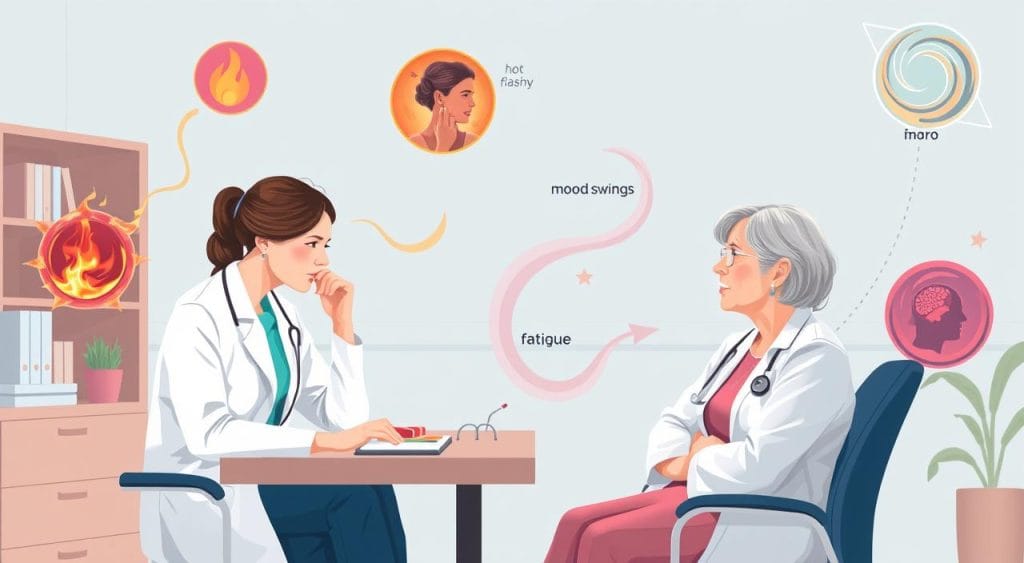
As you navigate the journey of menopause, you may encounter a range of symptoms. These can leave you feeling disoriented and confused. Menopause symptoms can be unpredictable, making it crucial to understand the different types you may face. From common symptoms like hot flashes and mood swings to less common ones like changes in taste & cravings, being aware of what to expect is key.
Some women may face symptoms that impact their daily lives, such as breast soreness, itchiness, and paresthesia. These can be managed with the right treatment and support. It’s also important to note that menopause can cause changes in taste & cravings, which can be challenging. Understanding these symptoms helps you better manage your menopause journey and seek the right treatment.
Remember, menopause is a unique experience for every woman. It’s essential to be patient and kind to yourself as you navigate this journey. By staying informed and seeking support, you can manage your menopause symptoms and thrive during this transition.
Unexpected Cognitive Changes During Menopause
Menopause brings unexpected cognitive changes that can alter your daily life. Memory loss and brain fog are common symptoms that can be frustrating. Anxiety, hot and cold flashes, and foot discomfort also occur during this time.
Research indicates that cognitive problems are prevalent during perimenopause. Verbal learning and memory are often most affected. Perimenopause may also lead to issues with processing speed, attention, and working memory. It’s crucial to recognize these symptoms and seek medical help if they persist or worsen.
Cognitive complaints affect 44%-62% of women during the menopausal transition. Some experience mild cognitive impairment. Factors like younger age at first menses and older age at menopause can improve performance on neuropsychological tests. Understanding these changes helps you manage symptoms and improve your health.
Cognitive decline, such as forgetfulness and delayed verbal memory, is common during the transition into menopause. With the right support and treatment, you can navigate these changes and maintain your cognitive function.
Menopause is a unique experience for each woman, and cognitive changes vary in severity and impact. Being aware of these changes and seeking medical attention when needed helps you take control of your health and well-being during this significant life transition.
Sensory Shifts: When Your Senses Play Tricks
Menopause brings about subtle yet significant changes in your senses. An altered sense of smell is a common surprise, with some scents becoming more intense or overwhelming. Hormonal shifts during menopause can alter how your brain processes sensory information.
Joint pain and body aches can also lead to sensory overload. This makes everyday stimuli more challenging to handle. The onset of new OCD symptoms can further increase anxiety and frustration. It’s vital to recognize these symptoms and seek medical help if they persist or worsen.
Self-care and stress management are crucial during this time. Techniques like deep breathing, yoga, or meditation can help manage sensory overload. Acknowledging and addressing these shifts can help you navigate menopause’s challenges and maintain well-being.
Being aware of potential sensory changes in menopause allows you to manage symptoms and improve your quality of life.
Healthy habits can reduce menopause symptoms’ impact on your daily life. A balanced diet, regular exercise, and enough sleep are key. Staying hydrated and avoiding stimulatory foods and drinks can also help reduce sensory sensitivity and promote relaxation.
Strange Menopause Symptoms That Your Doctor May Not Mention: A Deeper Look
Navigating menopause can be complex, with a range of symptoms that may surprise you. Menopause symptoms like paresthesia, causing tingling or numbness, can be distressing. Hormonal changes also lead to an increase of body odor, affecting self-esteem.
Other symptoms include phantom periods, where women experience bloating, cramping, and mood swings without actual bleeding. It’s crucial to understand these symptoms and seek medical help if they persist or worsen. Many women are unaware of the full spectrum of symptoms, as highlighted by menopause myths and facts. This underscores the importance of open communication with healthcare providers.
Women may also face dry and itchy skin, thinning hair, and dry mouth due to reduced estrogen levels.
| Symptom | Description |
|---|---|
| Paresthesia | A tingling or numbness sensation |
| Increase of body odor | Embarrassing and affects self-esteem |
| Phantom periods | Bloating, cramping, and mood swings without bleeding |
Understanding these unusual menopause symptoms empowers women to better manage this life transition. It helps them seek the necessary support to maintain their well-being.
The Psychological Surprise: Mental Health Changes
As you experience menopause symptoms, you may notice changes in your mental health, including anxiety and depression. These symptoms can be challenging to manage and affect your overall well-being. Hot and cold flashes are also common during menopause, causing discomfort and disrupting daily life.
Research shows that many women experience anxiety as a symptom of menopause. This can lead to low interest in activities and lethargy. Depression is also a common symptom, causing feelings of sadness and hopelessness. To learn more about the emotional impact of menopause on mental health, visit this resource for more information.
It’s essential to seek medical attention if these symptoms persist or worsen. Hormone fluctuations can cause dryness and pain in the vulva, vagina, and bladder, affecting sexual intercourse for some women.
By understanding the psychological changes that can occur during menopause, you can take steps to manage your symptoms and improve your mental health. Remember, you’re not alone in this journey, and seeking support from healthcare professionals and loved ones can make a significant difference.
Physical Mysteries: From Head to Toe
Menopause symptoms can bring about significant changes in your body. You might feel joint pain or body aches. These symptoms can severely impact your daily activities. Walking pain, for example, can make simple tasks a challenge. It’s vital to understand these symptoms and seek medical help if they persist or worsen.
Joint pain is common among women during menopause due to lower estrogen levels. Body aches can also hinder your ability to do everyday tasks. Walking pain can further limit your mobility and overall health. Addressing these symptoms is crucial for maintaining your quality of life.
Here’s some data to help you understand the prevalence of these symptoms:
| Symptom | Prevalence |
| — | — |
| Joint pain | Affects a notable portion of women |
| Body aches | Experienced by many women during menopause |
| Walking pain | A significant issue for some women |
| Menopause symptoms | Can be debilitating and affect daily life |
By acknowledging and addressing these physical mysteries, you can manage your menopause symptoms better. This will improve your overall health. Always consult with your healthcare provider if you have persistent or severe symptoms.
The Phantom Period Phenomenon
As you navigate the complexities of menopause, you may experience menopause symptoms that can be confusing and affect your emotional well-being. One such phenomenon is the occurrence of phantom periods, where you may experience bloating, cramping, and mood swings without any actual bleeding.
These symptoms can be attributed to the fluctuations in estrogen and progesterone levels during perimenopause. The surge in estrogen levels, resulting from higher levels of follicle stimulating hormone (FSH) in the body, can cause phantom cramps during menopause. Stress, anxiety, and hormonal imbalances also play a role in these symptoms.
It’s crucial to understand that these symptoms aren’t exclusive to menopause. Women of all ages can experience them. But during menopause, these symptoms can become more frequent and severe. Recognizing the signs of phantom periods allows you to manage your symptoms and enhance your well-being. This can involve stress management, a healthy diet, and regular exercise.
By acknowledging the complexities of menopause symptoms and seeking support when needed, you can better navigate this transition. This approach can help reduce the impact of bloating, cramping, and mood swings on your daily life. Remember, you’re not alone in this journey. There are resources available to help you manage your symptoms and thrive during this phase of your life.
Body Changes Nobody Warned You About
Menopause brings a variety of body changes that can disrupt your daily life. Vaginal atrophy, leading to dryness and discomfort, is a common symptom. It’s crucial to remember that you’re not alone in this experience.
Many women face vaginal atrophy and dryness, impacting their intimate relationships. Some also notice an altered sense of smell, which subtly changes their daily life. Discussing these symptoms with your doctor is key to finding effective treatments.
The North American Menopause Society suggests hormonal therapy for symptom management. Yet, it’s vital to weigh the risks, like increased cancer risk. Your doctor will help choose the right treatment for you.
Every woman’s menopause journey is unique. What works for one may not for another. Educating yourself and talking to your doctor can help manage symptoms and improve health.
Understanding and addressing body changes during menopause can help you take control of your health and well-being. Don’t hesitate to reach out to your doctor if you’re experiencing any symptoms that are affecting your daily life.
Conclusion: Navigating Your Unique Menopause Journey
Menopause is a journey that varies greatly from woman to woman. It’s crucial to take charge of your symptoms and find effective ways to manage them. By understanding the wide range of symptoms, from cognitive changes to sensory shifts, you can better prepare and address any challenges that arise.
Seeking medical attention when needed and making lifestyle adjustments can significantly improve your well-being. Embrace this journey with self-care and a positive mindset. This will help you thrive during this pivotal phase of your life.
FAQ
What are some strange menopause symptoms that my doctor may not mention?
How can menopause affect my cognitive abilities?
Can menopause cause changes to my senses?
What are some other strange menopause symptoms I should be aware of?
How can menopause affect my mental health?
What physical symptoms can I expect during menopause?
What is the “phantom period” phenomenon during menopause?
What other body changes can I expect during menopause?
Source Links
- Discover 10 unusual menopause symptoms you never knew existed.
- 7 Uncommon Menopause Symptoms That May Surprise You – Hologic
- What Are the Most Surprising Menopause Symptoms?
- Could this be menopause? Exploring lesser-known symptoms — and what to do about them – Mayo Clinic Press
- Cognitive Problems in Perimenopause: A Review of Recent Evidence
- Menopause and cognitive impairment: A narrative review of current knowledge
- How Does Menopause Affect the Brain?
- Sensory overload: What causes it during perimenopause and menopause
- How menopause affects your 5 senses
- Surprising Menopause Symptoms
- 10 Odd Symptoms of Menopause
- Information around the symptoms of menopause
- Menopause symptoms
- What are the 34 symptoms of menopause?
- What Are The 34 Symptoms Of Menopause?
- The 34 Symptoms of Menopause + 5 Treatments
- Phantom Period: This Buzzy Topic is Actually Really Important
- No Period, No Cramps, Right? Not Always.
- What doctors wish patients knew about menopause
- 5 Women Reveal the Thing That Surprised Them Most About Menopause
- 14 Signs That Menopause Is Coming to an End – Winona
- Doctors Don’t Know How to Treat Menopause Symptoms
- Menopause: Your Ultimate Guide to Navigating ‘The Change’