
Did you know that up to 80% of women experience significant skin changes during menopause? These hormonal shifts can lead to a variety of skin issues, making skin care an essential part of your routine during this life stage. Hormonal changes during menopause can cause menopausal skin issues like dry, itchy, red, and cracked skin, as well as exacerbating conditions like eczema. Understanding these changes and knowing how to address them with effective skin treatment during menopause can help you maintain healthy, glowing skin.
As your body navigates through menopause, it’s common to notice changes in your skin’s texture and appearance. The decrease in estrogen levels can affect collagen production, leading to dryness, sagging, and increased sensitivity. In the sections to follow, we’ll explore the most common menopausal skin issues and provide you with practical tips on how to treat them effectively.
Key Takeaways
- Up to 80% of women experience skin changes during menopause.
- Hormonal changes can lead to dryness, itching, and redness.
- Understanding menopausal skin issues is crucial for effective treatment.
- Estrogen decline impacts collagen production and skin health.
- Proper skin treatment during menopause can maintain your skin’s health and glow.
Understanding Menopause and Its Impact on Your Skin
Menopause is a pivotal stage in a woman’s life, bringing about significant physiological changes. Among the most notable symptoms are the fluctuations in estrogen levels. These levels are crucial for maintaining skin health and appearance. When estrogen levels drop, it can cause several notable changes in the skin.
The reduction in collagen production is a key aspect of the menopausal skin impact. Collagen is essential for keeping the skin firm and elastic. As collagen diminishes, the skin becomes thinner, less elastic, and more prone to wrinkles and sagging. Lower estrogen levels also affect the skin’s moisture retention, leading to dryness and increased irritation.
Understanding these changes is crucial for adapting your skincare routine to address these common symptoms effectively. Preparing for these shifts can help manage the menopausal skin impact. This way, you can maintain a healthier, more vibrant appearance through menopause and beyond.
Reputable dermatologists emphasize the importance of hydration and the use of skincare products that support collagen production to combat the effects of decreased estrogen levels.
| Menopause Symptoms | Impact on Skin |
|---|---|
| Hot flashes | Increased redness and sensitivity |
| Night sweats | Decreased hydration and dryness |
| Reduced estrogen levels | Loss of elasticity, more wrinkles |
Understanding the relationship between menopause and skin health empowers you to take proactive steps. Embracing changes with adequate knowledge can make the journey through menopause smoother. It helps maintain your skin’s vitality.
Common Skin Changes During Menopause
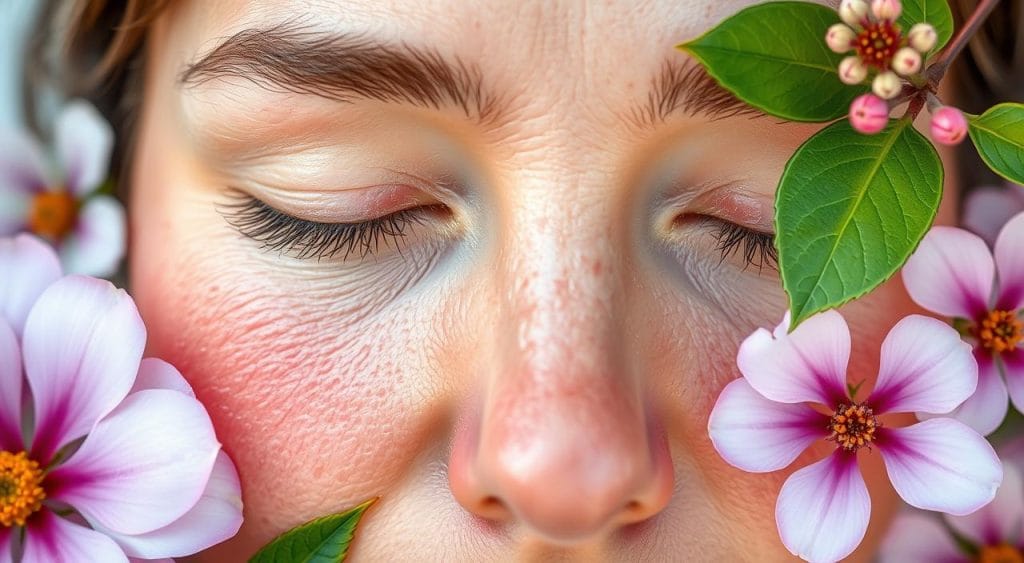
Menopause brings about various skin changes as your body adjusts to hormonal shifts. These changes include dryness, sagging, wrinkles, and hyperpigmentation. They primarily stem from the decrease in estrogen, which is crucial for skin health.
Dryness is a common issue. Hormonal fluctuations impair the skin’s moisture retention, causing dehydration. This makes your skin feel tight and uncomfortable. The sebaceous glands also produce less oil, worsening dryness.
During menopause, aging skin experiences a significant drop in collagen production. Collagen is essential for skin elasticity and firmness. Without enough collagen, your skin loses its structure, leading to sagging and wrinkles. The existing collagen breaks down faster than it’s replaced, making these issues more noticeable.
| Skin Change | Description | Causes |
|---|---|---|
| Dryness | Increased skin dryness and tightness | Reduced estrogen levels causing less oil production |
| Sagging | Loss of skin firmness | Decrease in collagen and elastin |
| Wrinkles | Visible lines and creases | Collagen decrease leading to loss of skin structure |
| Hyperpigmentation | Dark spots and uneven skin tone | Hormonal changes affecting melanin production |
Hyperpigmentation is another common issue during menopause. Hormonal changes can increase melanin, causing dark spots and uneven skin tone. This condition often affects sun-exposed areas, making sun protection crucial.
Understanding these skin changes helps you care for your skin during menopause. Recognizing aging signs and using a targeted skincare routine can help maintain a healthy, glowing complexion.
Dry Skin: Causes and Solutions
Menopause often brings significant changes to your skin, with dryness being a common issue. Hormonal shifts lead to less oil production, impacting skin moisture. To combat this, targeted hydrating skincare is essential for symptom relief and balance.
Estrogen decline is a key factor in dry skin development. Estrogen stimulates oil and collagen production, vital for a healthy skin barrier. Without it, skin becomes thinner, more prone to dryness and irritation. Hydrating skincare regimens offer much-needed relief and protection.
As Dr. Melanie Palm, a dermatologist based in California, explains, “Menopausal women often experience dryness due to decreased estrogen levels. It’s essential to use products formulated with hydrating ingredients and strong moisturizers to maintain skin health.”
Effective solutions for dry skin include moisturizers for menopause and products that strengthen your skin barrier. Hyaluronic acid, ceramides, and glycerin are recommended for their hydrating properties. Lifestyle habits like staying hydrated, using a humidifier, and avoiding long hot showers also help retain skin moisture.
Here is a comparative table showcasing different types of moisturizers and their key benefits specifically tailored for menopausal skin:
| Moisturizer Type | Key Ingredients | Benefits |
|---|---|---|
| Hydrating Lotion | Hyaluronic Acid, Glycerin | Deeply Moisturizes, Plumps Skin |
| Barrier Cream | Ceramides, Niacinamide | Strengthens Skin Barrier, Reduces Irritation |
| Night Cream | Retinol, Peptides | Enhances Cell Turnover, Rebuilds Collagen |
Incorporating these skin care habits and specific products can effectively mitigate the effects of dry skin during menopause.
Itchy Skin: Relief Tips and Treatments
Menopause can lead to various skin changes, with itchy skin being a common issue. Learning how to soothe itchy skin is vital for comfort during this time. Over-the-counter anti-itch creams are often recommended for quick relief.
When looking for menopause itching remedies, consider lifestyle changes. Drinking plenty of water and using moisturizers can help reduce itching. Avoiding hot showers and harsh soaps also prevents irritation. Using gentle, hypoallergenic skin care products is another effective strategy.
Home remedies might not always be enough. If itching persists, it’s time to see a healthcare professional. They can prescribe stronger creams or investigate underlying issues. Getting expert advice ensures you get the right treatment for your needs.
“Hydration is key. Drink plenty of water, and use a moisturizing cream after every shower. Avoid hot water and harsh soaps,” advises Dr. Melissa Levin, a renowned dermatologist based in New York.
By incorporating these menopause itching remedies and professional advice into your routine, you can effectively soothe itchy skin. This will enhance your overall well-being during menopause.
Red and Cracked Skin: Understanding and Treating It
Menopause can cause various skin changes, including red and cracked skin. These issues can be distressing. But, understanding their causes and using a gentle skincare routine can help. This approach can effectively reduce redness and repair cracks.
Red and cracked skin in menopause often stems from hormonal changes. These changes disrupt the skin’s moisture balance and strength. As a result, the skin’s barrier weakens, making it more susceptible to irritation and damage.
To address these problems, adopting a gentle skincare routine is crucial. It should focus on healing and protecting the skin. Here are some essential steps to follow:
| Steps | Description |
|---|---|
| Hydration | Use a hydrating moisturizer to keep the skin supple and hydrated. This helps reduce redness and repair cracks. |
| Gentle Cleansing | Choose mild, fragrance-free cleansers that preserve the skin’s natural oils. |
| Barrier Protection | Apply a barrier cream to protect the skin from irritants and retain moisture. |
| Sun Protection | Use sunscreen daily to shield the skin from harmful UV rays that can worsen redness and damage. |
By following these steps, you can significantly improve the management of red and cracked skin during menopause. Consistency is vital for the best results. Prioritizing gentle skincare can greatly enhance your skin’s health and look during this transition.
Dealing with Eczema During Menopause
Menopause brings hormonal shifts that can trigger or worsen eczema. It’s vital to manage eczema during this time for your comfort and skin health. Here are some effective strategies to help you deal with eczema during menopause:
Firstly, keeping your skin moisturized is essential. Menopause often leads to drier skin, which can worsen eczema symptoms. Use a thick, fragrance-free moisturizer regularly to lock in moisture and prevent your skin from becoming too dry.
Next, pay attention to your diet. A skin-friendly diet rich in antioxidants, Omega-3 fatty acids, and vitamins can reduce skin inflammation and support overall skin health. Include plenty of fruits, vegetables, nuts, and oily fish in your meals. Stay hydrated by drinking ample water throughout the day.
Additionally, be mindful of potential irritants. Harsh soaps, detergents, and even certain fabrics can aggravate eczema. Opt for gentle, hypoallergenic skincare products and clothing made of soft, breathable materials like cotton.
Incorporating stress management techniques into your routine can also mitigate eczema flare-ups. Stress is known to trigger and worsen eczema, so practices such as meditation, yoga, and deep-breathing exercises can be beneficial.
Lastly, consult a dermatologist for personalized eczema management advice. They may recommend specific treatments or topical medications to help control your symptoms effectively.
| Strategy | Benefit |
|---|---|
| Regular Moisturizing | Prevents dry skin and eczema flare-ups |
| Skin-Friendly Diet | Reduces skin inflammation and improves overall skin health |
| Avoiding Irritants | Minimizes triggers that worsen eczema |
| Stress Management | Decreases stress-induced eczema flare-ups |
Top Skin Care Tips During Menopause
Menopause brings significant changes to your skin. It’s vital to adjust your skincare routine to meet these changes. Here are essential tips to keep your skin vibrant and healthy during this time.
Choose a skincare routine with anti-aging products. These often include retinoids and peptides. They help reduce wrinkles and improve skin texture.
Don’t overlook the importance of nourishing your skin. Use moisturizers and serums with hyaluronic acid, glycerin, and ceramides. These keep your skin hydrated and supple. Remember to drink plenty of water to support your skin’s hydration from within.
Protecting your skin from the sun is crucial. Use a broad-spectrum sunscreen with at least SPF 30. Apply it daily, even for short periods outside. Sun protection prevents age spots and reduces skin cancer risk.
Here’s a comprehensive guide to your daily skincare routine:
| Step | Product | Purpose |
|---|---|---|
| 1. Cleanse | Gentle Cleanser | Removes impurities without stripping moisture |
| 2. Exfoliate | Light Exfoliant | Removes dead skin cells |
| 3. Tone | Alcohol-Free Toner | Balances skin’s pH |
| 4. Treat | Anti-Aging Serum | Targets wrinkles and fine lines |
| 5. Moisturize | Hydrating Moisturizer | Locks in moisture |
| 6. Protect | Broad-Spectrum Sunscreen | Shields skin from UV rays |
By following these steps daily, you can effectively address the unique skincare needs that accompany menopause. Tailoring your routine with the right products ensures your skin remains resilient and radiant.
Expert Opinions on Menopausal Skin Care
Adapting your skincare routine to hormonal changes during menopause is key. Dermatologists stress the need for a tailored approach. This involves insights from skincare experts and understanding the hormone therapy impact on your skin.
Dr. Janet Prystowsky, a leading dermatologist, emphasizes hydration and sun protection. She notes that lower estrogen levels can lead to drier skin and wrinkles. Using moisturizers with hyaluronic acid and ceramides can help maintain moisture and improve skin texture.
Dr. Loretta Ciraldo stresses the importance of sun protection. She advises using a broad-spectrum sunscreen with an SPF of 30 or higher. UV exposure can worsen skin aging, especially during menopause. She also recommends antioxidants to fight free radical damage.
Dr. Debra Jaliman highlights the hormone therapy impact. She notes that HRT can alleviate menopausal skin issues by boosting collagen and improving elasticity. However, it’s crucial to consult a healthcare provider to discuss the risks and benefits of HRT for your skin.
“As estrogen levels dip, you may notice your skin becoming drier and more prone to wrinkles,” notes Dr. Janet Prystowsky. “Using moisturizers containing hyaluronic acid and ceramides can help retain moisture and improve skin texture.”
Skincare professionals often suggest personalized routines. They focus on gentle cleansing, regular exfoliation, and retinoids for cell turnover. These strategies, combined with professional advice and understanding of the hormone therapy impact, can greatly improve menopausal skin management.
| Advice | Benefits |
|---|---|
| Hydration with Hyaluronic Acid | Retains moisture and enhances skin texture |
| Broad-Spectrum Sunscreen | Protects against UV damage |
| Incorporating Antioxidants | Neutralizes free radicals |
| Hormone Replacement Therapy (HRT) | Improves collagen production and skin elasticity |
Conclusion
Managing menopausal skin comes with its own set of challenges, yet it’s a chance to embrace change and boost your self-care. This guide has covered the effects of menopause on your skin and how to handle issues like dryness, itchiness, and eczema. Each part offers valuable insights and practical solutions.
Starting a healthy skin journey means adjusting your skincare routine is key. By following the advice of skincare experts, you can keep your skin looking vibrant and healthy. This is crucial during menopause.
See these changes as part of your broader health journey. By focusing on self-care and tackling skin issues head-on, you’ll not only keep your skin healthy but also enhance your confidence and well-being. Your dedication to understanding and meeting your skin’s needs shows your strength and resilience.