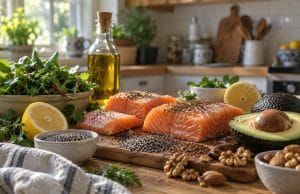


Menopause is the natural stage when menstrual periods permanently stop, usually after 12 consecutive months without bleeding. During this transition, changing hormone levels can affect sleep, mood, body composition, and cardiovascular health. The Mediterranean diet emphasizes vegetables, fruits, legumes, whole grains, fish, nuts, seeds, and olive oil. This flexible eating pattern may help support health during menopause, although it is not a cure and cannot guarantee relief from symptoms.
A balanced menopause diet can provide fiber, protein, calcium, vitamin D, and unsaturated fats. These nutrients support heart health, bone strength, muscle maintenance, and weight management. The Mediterranean diet may also make it easier to limit highly processed foods and manage weight gain, but results vary among women. Individual symptoms require individualized care; speak with a qualified clinician about persistent hot flashes, night sweats, depression, sleep problems, or other concerns.
Key Takeaways
- The Mediterranean diet may support overall health, but evidence for reducing hot flashes and other symptoms remains developing.
- Its combination of vegetables, legumes, whole grains, and protein can support healthy weight management and help reduce excess weight.
- Olive oil, fish, nuts, and other unsaturated fats are associated with better cardiovascular health.
- Calcium- and vitamin D-rich foods, alongside resistance exercise, support bone health during menopause.
- A nutrient-rich diet may support mood and cognitive health, but it does not prevent depression or Alzheimer’s disease.
- Regular physical activity complements dietary changes and helps preserve muscle, mobility, and overall health.
- For safe, sustainable gain, focus on gradual changes rather than restrictive rules or promises of rapid results.
Introduction to the Mediterranean Diet
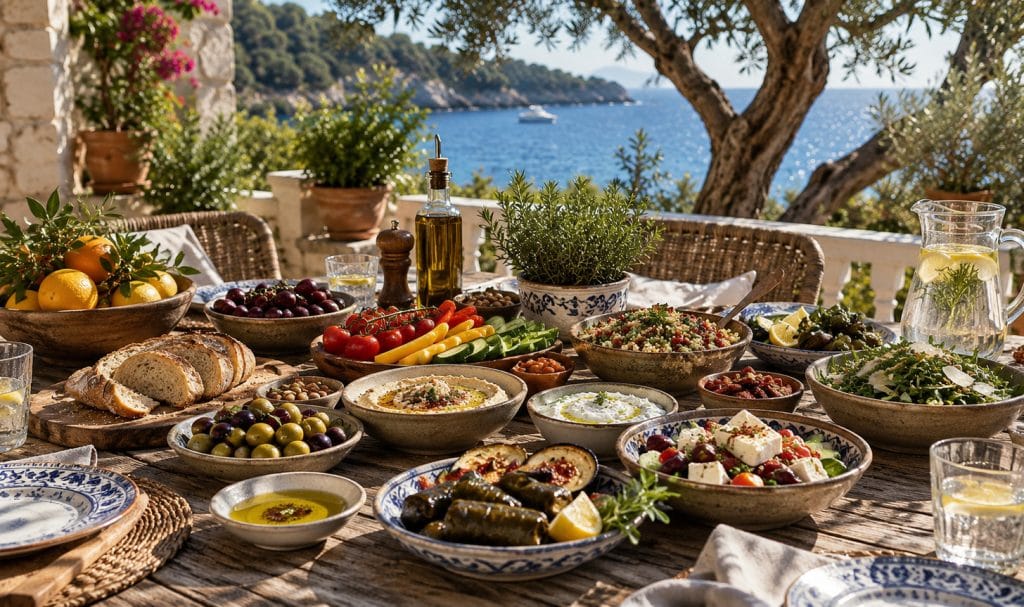
The Mediterranean diet is an eating pattern inspired by traditional foods and cooking practices from countries bordering the Mediterranean Sea. It is not a rigid menu or a short-term weight-loss plan. The pattern centers on vegetables, fruits, legumes, whole grains, nuts, seeds, fish, and olive oil, with moderate amounts of dairy, eggs, and poultry and smaller amounts of red and processed meat, sweets, and highly processed food. So, what is the Mediterranean diet? It is a flexible way of eating that can also include physical activity, shared meals, and social connection.
Research associates this diet with better heart health and a lower risk of cardiovascular disease, but the strength of evidence varies by outcome. Some large observational studies of women have reported a lower risk of heart disease among those whose eating patterns more closely follow the Mediterranean diet. However, these studies cannot prove that the diet alone caused the result, and they do not guarantee prevention of weight gain or disease.
The American Heart Association recognizes the Mediterranean diet as one heart-healthy eating pattern that can support cardiovascular health. Its benefits likely come from the combined effects of fiber-rich plant foods, unsaturated fats, fish, and lower intake of refined carbohydrates and processed meat. It may help improve blood pressure and cholesterol when it replaces foods high in saturated fat and sodium, but it should complement—not replace—medical treatment.
Clinical trials, including PREDIMED, found cardiovascular benefits from a Mediterranean-style pattern supplemented with extra virgin olive oil or nuts in adults at elevated cardiovascular risk. Results from such trials should be interpreted in context: the participants, foods, and level of support may differ from everyday eating. The diet can support healthy weight management, but weight loss depends on overall intake, activity, sleep, medications, and individual health factors.
The benefits of Mediterranean eating extend beyond the heart. A varied diet can provide fiber, potassium, plant compounds, and healthy fats that support digestion and general health. Studies also suggest associations with longevity, although claims about preventing heart attacks, strokes, diabetes, cognitive decline, or premature death should be presented cautiously. More research is needed for some outcomes and for menopause-specific effects.
Adopting this pattern does not require living near the Mediterranean or following unfamiliar recipes. Start with practical changes, such as adding vegetables or beans to one meal, choosing whole grains, using olive oil in place of some butter, and eating nuts or seeds in sensible portions. The goal is a sustainable way of eating that fits personal preferences, culture, budget, and health needs.
Health Benefits of the Mediterranean Diet During Menopause
The Mediterranean diet may support health for women during menopause by emphasizing vegetables, fruit, whole grains, legumes, fish, protein, and healthy fats. As estrogen levels change, some women experience shifts in blood pressure, cholesterol, body composition, bone density, and muscle mass. This diet may help address several of these risk factors, but it is not a treatment for menopause or a substitute for individualized medical care.
Heart health becomes especially important during menopause. Replacing some butter and other saturated fats with olive oil, nuts, seeds, and fish provides unsaturated fats. Fiber-rich plant foods and omega-3 fats may support healthier cholesterol levels and lower inflammation. Research generally associates Mediterranean-style eating with better cardiovascular outcomes, although it does not prove that any single food prevents heart disease.
Managing menopause symptoms may be one reason to choose this eating pattern, but evidence for fewer hot flashes or night sweats remains limited. A diet menopause plan that includes whole grains, vegetables, beans, fruit, and adequate protein can support steady energy, digestion, blood glucose, and weight management. These effects may help some symptoms indirectly, while mood responses vary from person to person.
Calcium- and vitamin D-rich foods, such as yogurt, fortified milk alternatives, canned salmon with bones, and leafy greens, support bone health. Protein spread across meals, combined with resistance exercise, helps maintain muscle. Adequate fluids and fiber also support gut health. These habits may reduce risk factors for bone loss, but they cannot guarantee prevention of osteoporosis.
Rather than automatically avoiding caffeine, alcohol, or spicy foods, track whether they worsen your symptoms and adjust accordingly. Limit highly processed foods and excess added sugar while preserving a flexible diet. Seek medical advice for persistent depression, severe bleeding, or disruptive menopause symptoms.
Nutritional Components of the Mediterranean Diet
The Mediterranean diet includes a wide variety of nutrient-dense foods. It emphasizes vegetables, fruit, whole grains, beans, lentils, nuts, seeds, and olive oil, with fish, eggs, yogurt, and poultry included in moderate amounts. Extra virgin olive oil is a principal source of unsaturated fats, while fish, legumes, and dairy contribute protein and other nutrients. This balanced diet supplies energy and supports normal body functions, especially during menopause.
The diet’s benefits extend beyond basic nutrition. Its fiber, healthy fats, and plant compounds are associated with better heart health, blood pressure, and blood glucose control. Research also links Mediterranean-style eating with a lower risk of cardiovascular disease and metabolic problems, but these associations do not prove that the diet directly prevents cancer, diabetes, or death. During menopause, adequate protein, calcium, vitamin D, iron, iodine, and omega-3 fats can support muscle, bones, thyroid function, and overall health.
| Nutrient TypePrimary SourceKey Benefits | ||
| Fats | Extra virgin olive oil, nuts, seeds, and fish | Provides healthy fats that support heart health; may help moderate inflammation |
| Proteins | Fish, beans, lentils, eggs, yogurt, and poultry | Helps maintain muscle and supports repair; fish provides omega-3 fatty acids |
| Carbohydrates | Whole grains, beans, lentils, fruits, and vegetables | Provides fiber and energy and supports gut health and blood glucose control |
| Vitamins & Minerals | Leafy greens, fruit, yogurt, fortified foods, and seafood | Supports bones, immunity, thyroid function, and normal body processes |
Adding Mediterranean diet foods to meals can support long-term health when the pattern replaces highly processed choices. Choose olive oil and other healthy fats in sensible portions, eat vegetables and legumes often, and limit red meat and processed meat without assuming every food must be eliminated. A varied diet is more sustainable than relying on one ingredient or nutrient.
How to Implement the Mediterranean Diet in Daily Life
Adopting the Mediterranean diet does not require an overnight overhaul. Start with small changes that fit your budget, culture, schedule, and health goals. A practical plate can include half vegetables, one-quarter protein such as beans, lentils, fish, eggs, or poultry, and one-quarter whole grains or potatoes, with fruit or yogurt as an optional addition.
Choose whole-grain bread, oats, quinoa, or brown rice more often than refined grains. Use extra virgin olive oil in place of some butter or other saturated fats, but remember that all fats contain calories. Add affordable canned or frozen foods when fresh produce is unavailable, checking canned items for excess sodium and added sugar.
Build meals around colorful fruits and vegetables, including tomatoes, peppers, berries, apples, oranges, and leafy greens. Combine vegetables with beans or lentils, whole grains, and a source of protein to support fullness, steady energy, and gut health. A grain bowl topped with nuts and olive oil is one flexible option for Mediterranean recipes.
Here’s a table showcasing different components typically found in a day of Mediterranean eating:
| MealExample Components | |
| Breakfast | Greek yogurt or fortified soy yogurt with berries, oats, and a few nuts |
| Snack | An apple with a small portion of almonds or pistachios |
| Lunch | White bean and vegetable soup with leafy greens and whole-grain bread |
| Snack | Carrots, cucumbers, or peppers with hummus |
| Dinner | Grilled salmon, beans, or tofu with quinoa and roasted vegetables |
Keep honey, lamb, and refined grains occasional rather than forbidden. For allergies or dietary preferences, replace nuts with seeds, fish with beans or tofu, and dairy with calcium-fortified alternatives. Plan portions according to hunger and medical needs; the Mediterranean diet supports health and weight management, but it does not guarantee weight loss.
Sample Mediterranean Diet Meal Plan
This Mediterranean diet meal plan is an example of balanced, healthy Mediterranean meals—not a prescribed medical plan. Begin with protein-rich Greek yogurt, fortified soy yogurt, nuts, seeds, and berries. For lunch, try grilled fish with quinoa and vegetables. Beans and lentils add protein and fiber, while healthy fats from nuts, seeds, and olive oil add flavor and help make meals satisfying.
The following sample 7-day meal plan shows one way to combine whole grains, legumes, vegetables, fruit, leafy greens, seafood, and calcium-rich foods. Adjust portions to your hunger, activity, health needs, and weight goals. Choose low-sodium canned foods, rinse beans when possible, refrigerate leftovers promptly, and cook fish, eggs, and poultry thoroughly.
Here’s a sample 7-day meal plan to guide you through a week of balanced and satisfying Mediterranean-style eating:
| DayBreakfastLunchDinner | |||
| Monday | Greek yogurt with berries, oats, and nuts | Grilled salmon with quinoa and leafy-green salad | White-bean and vegetable stew |
| Tuesday | Oatmeal with ground flaxseeds and fruit | Lentil soup with a side salad and whole-grain bread | Roasted chicken with mixed vegetables |
| Wednesday | Avocado toast with a poached egg | Three-bean salad with tomatoes and whole grains | Grilled shrimp with asparagus and brown rice |
| Thursday | Spinach, berry, and fortified soy-milk smoothie with chia seeds | Tuna and leafy-green salad with olive oil and lemon | Vegetable and chickpea stew |
| Friday | Whole-grain toast with hummus and tomatoes | Chickpea and vegetable bowl with pumpkin seeds | Seafood stew with farro |
| Saturday | Feta cheese and spinach omelet | Falafel wrap with cucumber-yogurt sauce and greens | Shakshuka with whole-grain bread |
| Sunday | Smoothie bowl with unsweetened granola and fresh fruit | Stuffed bell peppers with lentils | Grilled salmon with roasted vegetables |
This Mediterranean diet meal plan demonstrates flexibility rather than a promise of weight loss or prevention of weight gain. Vegetarian readers can replace fish or chicken with beans, lentils, tofu, or eggs; vegan readers can use fortified plant-based yogurt and milk; and those avoiding gluten or dairy can select suitable certified alternatives. The variety of foods may support health during menopause, but individual nutrition needs differ. Women with diabetes, kidney disease, eating disorders, allergies, or medication-related restrictions should consult a registered dietitian or clinician before making major diet changes.
Scientific Studies Supporting the Mediterranean Diet for Menopausal Health
Current research on Mediterranean diet patterns suggests possible benefits for cardiometabolic health, but the evidence is not equally strong for every menopause outcome. In one small pilot study, forty-nine women aged 50 to 65 completed an 8-week meal-based intervention. Researchers reported lower body weight and body fat, along with improvements in cholesterol, apolipoprotein B, and fasting insulin. Because the study was short and had no large comparison group, it cannot establish that the diet caused these changes or that they will continue.
Other observational research links a Mediterranean diet rich in vegetables, fruit, legumes, whole grains, protein, and healthy fats with lower visceral fat and improved heart-risk markers. These findings may help explain why the pattern supports weight management, but factors such as physical activity, income, sleep, medication, and previous eating habits can influence results. Current CDC and WHO statistics describe obesity at the population level; they should not be presented as menopause-specific evidence or as proof that one diet prevents weight gain.
In another study on diet during menopause, data from the 2016 and 2017 Korean National Health and Nutrition Examination Survey showed that some women aged 50 to 80 had low intakes or levels of isoflavones, omega-3 fats, fiber, and calcium. This cross-sectional survey describes associations and cannot show that a Mediterranean diet corrects nutrient gaps. A varied diet, appropriate supplements when advised, and clinical assessment remain important for women during menopause. Evidence for mood, cognition, and gut health is promising but less definitive than evidence for cardiovascular risk reduction.
| Study DetailsFindings | ||
| Pilot Study, 49 Women (Aged 50-65), 8-Week Mediterranean Diet Intervention | – Reported lower body weight and fat; cholesterol, ApoB, and fasting insulin also improved, but the small, short design limits conclusions. | – Results require confirmation in larger controlled studies. |
| 2016/2017 Korean National Health and Nutrition Examination Survey | – Reported low intake or levels of isoflavones, omega-3 fats, fiber, and calcium in some women. | – Observational findings do not prove that the Mediterranean diet prevents deficiencies. |
The World Health Organization estimates that about 1.2 billion women may be living with menopause or postmenopause by 2030. This highlights the need for accessible nutrition research, not a promise that the Mediterranean diet guarantees health, weight loss, or protection from every menopause-related change.
What Research and Lived Experience Can—and Cannot—Show
Women who adopt a Mediterranean diet during menopause may describe gradual changes in energy, food choices, weight, or overall health. These personal experiences can be encouraging, but they are anecdotal and cannot prove that the diet caused improvements in blood pressure, body composition, or menopause symptoms. Exercise, sleep, medication, stress, and previous eating habits may also affect results.
Some people find that adding more vegetables, legumes, whole grains, and fish makes healthy eating feel more satisfying and sustainable during menopause.
Nutrition studies may report changes in cholesterol, blood pressure, or waist circumference, but results depend on the participants, study length, and comparison group. Protein needs and the ideal proportion of fats and carbohydrates also vary. Diet rankings, including annual media awards, are not a substitute for clinical evidence or individualized advice.
Here’s a snapshot of outcomes that researchers may measure, rather than guaranteed results:
| BenefitImprovement RateRemark | ||
| Weight Loss | Varies | Depends on intake, activity, and individual factors |
| Lipid Values | May improve | Changes should be confirmed with blood testing |
| Body Circumference | Varies | Measurements do not explain every health outcome |
| Blood Pressure | May improve | Monitor results with a qualified clinician |
Overall, a Mediterranean diet may support heart health and weight management, but real-life stories do not establish effectiveness. Discuss persistent menopause symptoms or unexpected weight gain with a health professional.
Combining the Mediterranean Diet with Exercise
The Mediterranean diet and exercise work together as practical lifestyle changes for menopause. Regular physical activity can support heart health, preserve muscle, improve balance, and promote overall health. A Mediterranean diet supplies vegetables, beans, whole grains, fish, and healthy fats, while walking, cycling, swimming, resistance training, and mobility exercises address different needs. Start gradually and choose activities that are safe and enjoyable.
Exercise can support weight management and may help limit weight gain, although it does not guarantee weight loss. Extra virgin olive oil, including virgin olive oil, is a nutritious source of unsaturated fat, but evidence from short interventions should not be interpreted as proof that olive oil alone reduces body fat. Combining a balanced diet with resistance training is particularly useful for maintaining muscle during menopause. Follow current activity guidance, such as regular moderate aerobic movement and muscle-strengthening activities on at least two days weekly, when appropriate for your health.
A Mediterranean-style eating pattern does not need to be low-carbohydrate or designed for rapid weight loss. Include beans, oily fish, fruit, and vegetables regularly, and adjust portions to your energy needs. Exercise and nutritious foods may improve blood glucose, fitness, and cardiovascular risk factors, but they do not independently prevent type 2 diabetes. People with health conditions should ask a clinician how to exercise safely.
| Health AspectImpact of Mediterranean DietImpact of Combined with Exercise | ||
| Weight Loss | May support healthier eating patterns and weight management | Can increase energy expenditure and help preserve muscle |
| Cardiovascular Health | Healthy fats and plant foods support heart health | Aerobic activity strengthens the cardiovascular system |
| Inflammation | Plant foods and unsaturated fats may support lower inflammation | Regular activity may improve inflammatory markers over time |
| Diabetes Prevention | Fiber-rich foods may support blood glucose control | Activity improves insulin sensitivity and supports weight management |
Integrating the Mediterranean diet with exercise does not require expensive equipment or a complete lifestyle overhaul. Try meal planning, seasonal produce, canned or frozen vegetables, and budget-friendly beans. Replace fish with beans or tofu, nuts with seeds, dairy with fortified alternatives, and olive oil with another unsaturated oil when needed. These changes make the diet more accessible while supporting a sustainable way to improve health.
Potential Challenges and How to Overcome Them
A common challenge of the Mediterranean diet is the cost or availability of fresh fish, extra virgin olive oil, and varied produce. Canned and frozen foods can remain nutritious choices; compare labels for sodium, added sugar, and unnecessary sauces. Buying seasonal foods, dried beans, lentils, whole grains, and store-brand options can lower costs and reduce waste.
The diet should not be treated as a strictly European menu. Middle Eastern hummus, North African vegetable tagines, Latin American bean dishes, and Asian meals built around vegetables, tofu, brown rice, or fish can follow the same core principles. Cultural adaptation helps make healthy eating realistic and enjoyable for more women.
Use familiar flavors, plan a few repeat meals, and make one change at a time. These flexible strategies can help you stay consistent without eliminating preferred foods or promising guaranteed results.
Conclusion
The Mediterranean diet is a flexible eating pattern that may support menopause management and long-term health. It emphasizes vegetables, beans, fruit, whole grains, fish, nuts, and olive oil while limiting highly processed foods and excess red meat. It may support weight management, heart health, blood pressure, and overall well-being, but it does not cure menopause or guarantee relief from symptoms.
Research associates greater adherence with a lower risk of cardiovascular disease and mortality, although many findings come from observational studies and cannot prove cause and effect. The reported 23% reduction in all-cause mortality among more than 25,000 women was an association, not a guarantee. Diet quality, physical activity, sleep, medications, income, and other factors can influence health outcomes.
Start with manageable changes: add vegetables or leafy greens to one meal, include protein from fish, beans, lentils, eggs, or yogurt, and use olive oil in place of some saturated fats. Combine healthy eating with aerobic and resistance exercise. A diet menopause plan should reflect personal preferences and medical needs. Contact a qualified clinician or registered dietitian about persistent menopause symptoms, significant weight gain, or individualized nutrition advice.