

Welcome to our in-depth exploration of a topic that affects countless women worldwide: the connection between menopause and diabetes. This article aims to delve into how menopause-induced diabetes emerges. We will explore the health impacts of menopause and the link between hormonal imbalances and blood sugar levels. By the end, you will gain insight into the risks and management strategies related to diabetes during and after menopause.
Through both first-hand experiences and scientific studies, we will provide a comprehensive understanding. This is beneficial for you or your loved ones navigating these transitional life stages.
Key Takeaways
- Understanding the basics of diabetes and its types.
- How menopausal changes affect blood sugar levels.
- The impact of hormonal fluctuations on diabetes management.
- Identifying the risks of developing diabetes post-menopause.
- Effective strategies to manage both menopausal symptoms and diabetes.
- Lifestyle adjustments to alleviate health impacts of menopause and diabetes.
- Preventive measures for women nearing menopause.
What is Diabetes?
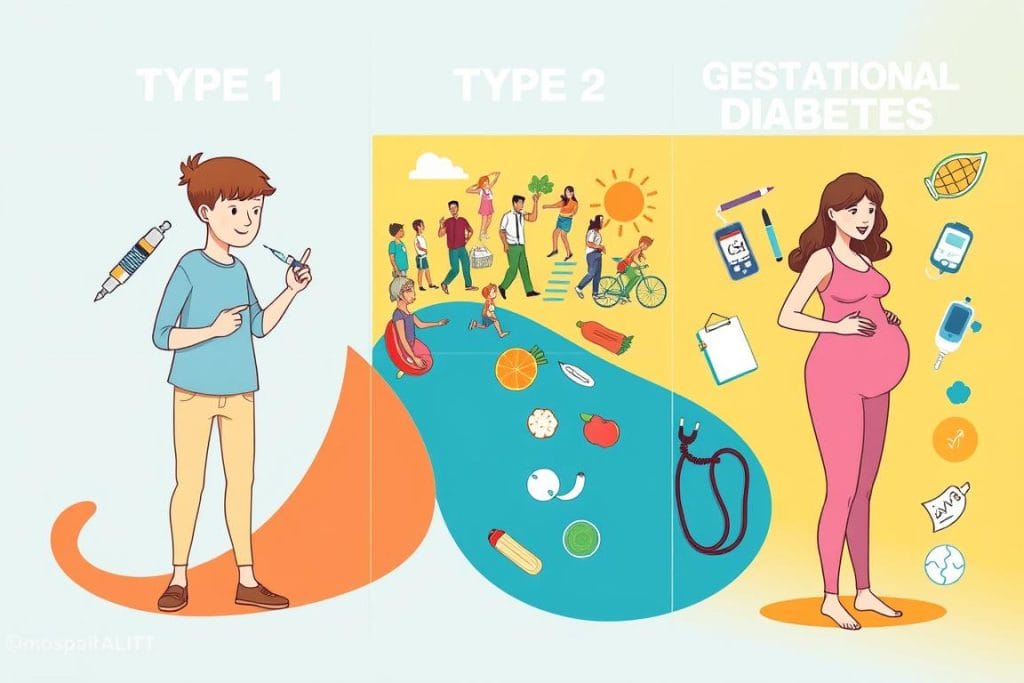
Diabetes is a chronic condition that impacts how your body handles glucose, the primary sugar in your blood. There are various types of diabetes, mainly Type 1 and Type 2, each with unique mechanisms and health implications.
Type 1 diabetes typically affects children and young adults, as the body fails to produce insulin. This form is less common but necessitates lifelong insulin treatment.
Type 2 diabetes, more common, usually strikes adults but is also seen in younger people due to obesity. It involves insulin resistance, where your body fails to use insulin properly, causing high blood glucose levels.
Symptoms of diabetes include excessive thirst, frequent urination, unexplained weight loss, and fatigue. If not managed, it can cause severe health issues like cardiovascular disease, neuropathy, and kidney damage.
Knowing about these types of diabetes and their effects on blood glucose levels aids in recognizing early signs and seeking timely medical help. Effective management often involves lifestyle changes, medication, and regular blood glucose level monitoring to avoid long-term complications.
How Menopause Affects Blood Sugar Levels
Menopause introduces significant physiological changes, leading to unexpected blood sugar fluctuations. The decrease in estrogen and progesterone levels impacts glucose metabolism. This affects your body’s ability to handle glucose, impacting glucose tolerance during menopause.
Insulin sensitivity declines during menopause. Estrogen regulates insulin, and its decrease results in increased insulin resistance. Your body then requires more insulin to manage glucose, causing blood sugar levels to rise.
Progesterone also plays a role in insulin use. Its decline complicates glucose management, causing blood sugar fluctuations. This makes it harder to maintain stable blood sugar levels.
Monitoring these changes is vital during menopause. They can significantly impact your long-term glucose tolerance. Understanding these changes helps you make informed health decisions and manage blood sugar levels more effectively.
Hormonal Changes During Menopause and Their Impact on Diabetes
Menopause brings about significant hormonal shifts, impacting your body’s blood sugar regulation. A key change is the decrease in estrogen levels. Estrogen is vital for insulin sensitivity, and its decline can cause blood glucose level fluctuations.
The decline in estrogen and fluctuations in progesterone directly affect how your body manages blood sugar, potentially increasing the risk of diabetes.
Changes in progesterone and blood sugar regulation are also noteworthy. These hormonal shifts often lead to reduced insulin sensitivity during menopause. This reduced sensitivity means your body may not use insulin as effectively, leading to higher glucose levels in the blood. This condition poses additional challenges for women managing diabetes or at risk of developing it.
Risks of Developing Diabetes Post-Menopause
Women approaching or experiencing menopause need to understand the risks of diabetes. Hormonal changes during this time can disrupt blood sugar levels. The decrease in estrogen and progesterone makes the body less responsive to insulin. This resistance can cause blood sugar levels to rise, increasing the risk of type 2 diabetes.
Several factors contribute to the increased risk of diabetes during menopause. Weight gain is common due to hormonal changes and a slower metabolism. Carrying extra weight, especially around the abdomen, is linked to insulin resistance. This further raises the risk of diabetes. Changes in diet and physical activity also play a role in body weight and blood sugar levels.
To reduce the risk of diabetes post-menopause, focus on a balanced diet. Include fiber, lean proteins, and healthy fats. Regular exercise is also key. It helps manage weight, improves insulin sensitivity, and stabilizes blood sugar levels. Adding strength training and aerobic exercises to your routine can be especially beneficial.
Regular health check-ups and monitoring are crucial for diabetes prevention post-menopause. Discuss with your healthcare provider about regular blood sugar checks and a personalized health plan. Being proactive and aware can significantly lower the risk of diabetes and promote a healthier life post-menopause.
Managing Menopausal Symptoms with Diabetes
Managing menopausal symptoms alongside diabetes can be tough, but it’s doable with the right approach. Keeping your blood sugar levels in check is crucial. Hormonal changes during menopause can lead to unpredictable blood sugar levels. Therefore, it’s vital to monitor your glucose regularly.
Adopting healthy lifestyle habits is another key step. Regular exercise helps manage blood sugar and eases menopausal symptoms. Aim for 30 minutes of moderate activity, like brisk walking or swimming, daily. A balanced diet, rich in whole grains, lean proteins, and healthy fats, also supports your health and stabilizes blood sugar.
Stress management is not to be overlooked. Both menopause and diabetes can be stressful, impacting blood sugar control. Try relaxation techniques like meditation, deep breathing, or yoga to manage stress effectively.
Regular communication with your healthcare team is also crucial. They can provide personalized advice suited to your needs. Discuss any symptoms or changes and collaborate on a health plan that addresses both conditions.
By following these lifestyle tips, you can significantly enhance your quality of life. This ensures a healthier and more comfortable journey through menopause, managing both conditions effectively.
Lifestyle Changes to Manage Both Menopause and Diabetes
Managing menopause and diabetes together can significantly improve your life quality. A crucial step is to adopt a balanced diet for both conditions. Focus on fiber-rich foods, lean proteins, and healthy fats. This diet helps stabilize blood sugar and control menopause symptoms like weight gain and mood swings.
Regular exercise for hormonal balance is also vital. Activities like walking, swimming, or yoga can reduce symptoms and boost insulin sensitivity. Aim for 30 minutes of moderate exercise daily. This helps maintain a healthy weight and improves mental health.
Stress management is another critical aspect. Techniques like deep breathing, meditation, or mindfulness can greatly help. Chronic stress raises cortisol levels, harming blood sugar control and worsening menopause symptoms. Reducing stress is essential for hormonal balance.
Preventive Measures for Women Approaching Menopause
As you approach menopause, proactive steps can lower diabetes risk before menopause. It’s vital to maintain hormone and metabolic health. Regular health check-ups are key to monitoring vital signs and staying on track.
Starting a health regimen early is crucial for menopause preparation. A balanced diet, rich in fiber, lean proteins, and healthy fats, boosts metabolic health. Such dietary choices enhance overall health and lower diabetes risk before menopause.
Dr. Jane Smith from the American Diabetes Association stresses that “healthy lifestyle choices before menopause can drastically reduce diabetes risk in later years.”
Physical activity is equally vital for menopause preparation. Regular exercise, like brisk walking, cycling, or yoga, improves insulin sensitivity. This helps in lowering diabetes risk before menopause. Aim for 150 minutes of moderate-intensity aerobic activity weekly, along with muscle-strengthening exercises two days a week.
Managing stress and ensuring adequate sleep are also crucial. Chronic stress and poor sleep can cause hormonal imbalances, increasing diabetes risk. Meditation, deep-breathing exercises, and consistent sleep schedules are beneficial.
Lastly, don’t overlook the importance of regular medical screenings and consultations. Regular blood sugar and hormone level checks, along with comprehensive health evaluations, offer early signs of anomalies. This allows for timely corrective actions.
By preparing for menopause with a holistic approach, including dietary adjustments, physical activity, stress management, and regular health assessments, you enhance overall wellbeing. This approach also significantly reduces diabetes risk before menopause.
Clinical Studies on Menopause and Diabetes Connection
Recent studies have shed light on the complex link between menopause and diabetes. Researchers have explored how menopause affects diabetes onset and progression. They found that hormonal shifts during menopause can greatly impact blood sugar and insulin sensitivity.
One key area of study is the impact of estrogen fluctuations. Estrogen plays a role in glucose metabolism, and its decrease during menopause can cause insulin resistance. This is a risk factor for diabetes. The research shows that diabetes risk increases after menopause, emphasizing the importance of health monitoring during this time.
Studies have used various methods, including long-term analyses and surveys. These approaches have provided detailed insights into the effects of estrogen deficiency and aging on diabetes risk in postmenopausal women. Such findings highlight the need for specific preventive measures and diabetes management plans for women going through menopause.
Personal Stories: Living with Menopause and Diabetes
Managing both menopause and diabetes can seem daunting. Yet, many women have successfully navigated these challenges. Their patient stories diabetes management shed light on the unique hurdles and solutions they’ve found.
Sarah’s story is particularly inspiring. She recounts the initial struggle to balance blood sugar levels amidst hot flashes and mood swings. Sarah sought her healthcare provider’s guidance to create a diabetes management plan that accommodated her changing needs during menopause.
“I never thought managing diabetes would grow so complex during menopause. It wasn’t easy, but finding comfort in sharing my story and learning from others made a huge difference,” Sarah states.
Linda’s story underscores the value of community. Feeling isolated, she found solace in joining support groups for women dealing with both menopause and diabetes. These groups offered her coping strategies and emotional support.
“Connecting with others who understand what you’re going through can be a game-changer. Their real-life experiences in menopause diabetes management taught me invaluable lessons,” shares Linda.
Your path may differ, but hearing these stories offers valuable insights and hope. Each narrative reminds you that you’re not alone. There are effective ways to manage both conditions simultaneously.
Conclusion
Our exploration into the link between menopause and diabetes reveals the importance of grasping this connection for health management. Recognizing how hormonal shifts in menopause affect blood sugar levels is key. It also highlights the risks involved, prompting proactive health measures.
By understanding these impacts, you can manage both conditions more effectively. Lifestyle adjustments become crucial. The role of emotional well-being alongside physical health is paramount. A holistic approach, including diet, exercise, and mental health care, is essential for overcoming these challenges.
Armed with this knowledge, you can take control of your health. Seek advice from healthcare professionals, embrace preventive strategies, and strive for a balanced lifestyle. Grasping the interplay between diabetes and menopause can greatly enhance your life quality. It opens the door to healthier, more fulfilling years ahead.