


Did you know that around 20 million Americans suffer from some form of thyroid disorder, but up to 60% of them are unaware of their condition? This statistic becomes even more crucial when you consider the hormonal changes women experience during the menopausal transition. These changes can significantly impact thyroid health. Exploring this connection is vital for understanding how menopause may exacerbate or mask thyroid disorders. This ensures you receive proper care and treatment during this pivotal phase of life.
As you enter menopause, your body undergoes significant hormonal changes. These shifts can influence various bodily functions, including thyroid activity. Common thyroid disorders such as hypothyroidism, hyperthyroidism, and Hashimoto’s thyroiditis can manifest or change in intensity during menopause. It’s essential to understand the interplay between these two conditions. In the following sections, we will delve deeper into how menopause affects thyroid function, the symptoms to watch for, and the available diagnostic and treatment options.
Key Takeaways
- 20 million Americans suffer from thyroid disorders, with many unaware of their condition.
- Hormonal changes during the menopausal transition can impact thyroid health.
- Understanding the interaction between menopause and thyroid disorders is crucial for proper treatment.
- Common thyroid disorders include hypothyroidism, hyperthyroidism, and Hashimoto’s thyroiditis.
- Symptoms of thyroid issues can become more pronounced or altered during menopause.
Introduction to Menopause and Thyroid Health
Menopause is a pivotal stage in a woman’s life, marking the end of menstrual cycles. It usually occurs in the 40s or 50s, confirmed after a year without a period. Symptoms like hot flashes, night sweats, and mood swings are common. These arise from estrogen level drops.
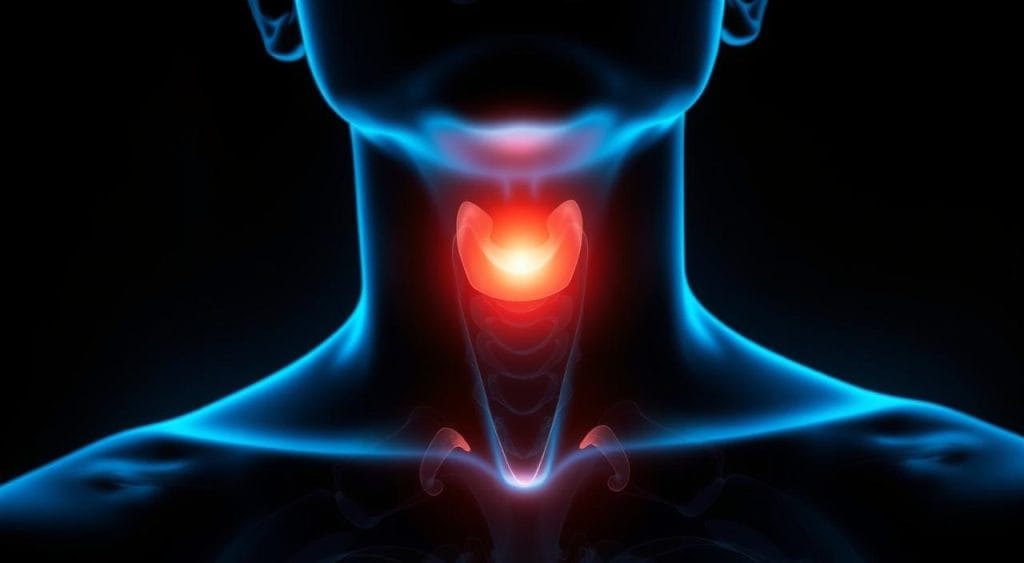
Thyroid health is also critical for overall well-being. The thyroid gland, located in the neck, controls metabolism, energy, and body functions. Issues here can cause fatigue, weight changes, and mood swings, similar to menopause symptoms.
The link between menopause and thyroid health is increasingly studied in women’s health. Both share symptoms, making proper identification crucial for effective treatment. Understanding thyroid issues during menopause is essential for a smooth transition and well-being.
This article will explore how menopause impacts thyroid function, common symptoms, and treatment options. By examining these topics, we can better grasp the relationship between these two significant health aspects.
How Menopause Affects Thyroid Function

Menopause brings about significant hormonal changes that can impact thyroid function. The decrease in estrogen levels disrupts the thyroid’s regulatory mechanisms. This disruption often leads to various thyroid conditions. Studies have shown an increase in both hypothyroidism and hyperthyroidism during and after menopause.
These hormonal shifts are a major reason why many women experience thyroid issues during menopause. Hypothyroidism, an underactive thyroid, can cause fatigue, weight gain, and depression. On the other hand, hyperthyroidism, an overactive thyroid, results in symptoms like a rapid heart rate, anxiety, and unexpected weight loss.
Understanding the link between menopause and thyroid function is crucial. Hormonal changes not only affect overall health but also worsen thyroid-related problems. Promptly addressing hypothyroidism and hyperthyroidism can significantly improve the quality of life for menopausal women.
Further research and awareness are needed to fully grasp the complex relationship between hormonal changes in menopause and thyroid health. Regular health check-ups and consultations with healthcare providers are essential. They help manage and reduce the risks associated with this relationship.
Common Symptoms of Thyroid Issues During Menopause

Menopause and thyroid problems often share similar symptoms, making it hard to tell them apart. Knowing these symptoms can help figure out if your issues are from menopause, thyroid problems, or both.
Weight gain is a common symptom. Hormonal shifts in menopause can slow down your metabolism. But, if you see a sudden or significant weight increase, it might be thyroid-related. Unexplained weight gain could point to an underactive thyroid gland.
Fatigue can significantly impact your daily life. Menopause can cause tiredness due to sleep issues from night sweats and hot flashes. However, persistent and severe fatigue might indicate thyroid problems. It’s more than the usual tiredness seen in menopause.
Hot flashes are a hallmark of menopause, but thyroid issues can make them worse. The thyroid controls body temperature, and problems can increase hot flashes intensity and frequency. Paying attention to these symptoms is key to spotting potential thyroid issues.
It’s vital to recognize these signs. If you’re dealing with sudden weight gain, constant fatigue, or more severe hot flashes, see a healthcare professional. They can check your thyroid and provide the right treatment. This can help ease your symptoms and enhance your overall well-being.
Diagnosing Thyroid Problems in Menopausal Women
Diagnosing thyroid issues in menopausal women involves a detailed approach. This includes crucial blood tests to check thyroid-stimulating hormone (TSH) levels. These levels are vital for assessing thyroid function. During menopause, TSH levels can change, making precise diagnosis critical.
Endocrinologists are key in diagnosing thyroid disorders. They are trained to understand hormonal changes and their effects on the body. They will assess your symptoms, medical history, and blood test results. This helps identify conditions like hypothyroidism or hyperthyroidism.
The diagnostic process compares TSH levels to standard ranges. High TSH levels suggest hypothyroidism, while low levels indicate hyperthyroidism. Tests for free T4 and anti-thyroid antibodies may also be done. These help fully understand your thyroid health.
Here’s a table showing TSH levels for different thyroid conditions:
| TSH Level Range | Associated Condition |
|---|---|
| 0.4-4.0 mU/L | Normal |
| Greater than 4.0 mU/L | Hypothyroidism |
| Less than 0.4 mU/L | Hyperthyroidism |
Regular monitoring and early detection through blood tests are crucial. They help manage thyroid disorders during menopause. Consulting with endocrinologists ensures accurate diagnosis and the best care.
Treatment Options for Thyroid Issues During Menopause
Managing thyroid issues during menopause demands a comprehensive strategy. Thyroid hormone replacement is often crucial to balance hormones. This treatment aims to restore normal thyroid function, easing symptoms like fatigue, weight gain, and mood swings.
Medication is just one part of the solution. Lifestyle changes also play a significant role in enhancing your well-being. Regular exercise, a balanced diet, and stress management are essential. These practices not only boost thyroid function but also help manage menopause symptoms.
Creating personalized treatment plans is vital for managing thyroid issues during menopause. Each person’s experience is unique, requiring customized strategies. Working closely with healthcare providers ensures you receive comprehensive care, addressing all aspects of your health.
| Treatment Option | Benefits | Considerations |
|---|---|---|
| Thyroid Hormone Replacement | Restores normal thyroid function | Requires regular monitoring and dosage adjustments |
| Lifestyle Modifications | Improves overall health; alleviates symptoms | Consistency is key; results vary by individual |
| Personalized Treatment Plans | Tailored to individual needs; comprehensive care | Requires collaboration with healthcare providers |
Natural Remedies and Supplements
Many women seek natural remedies and dietary supplements to support their thyroid health during menopause. Herbal therapies are particularly beneficial, helping to reduce symptoms and maintain balance. Adaptogenic herbs like ashwagandha and ginseng are favored for their stress-reducing properties and support for thyroid function.
Iodine intake is also crucial for thyroid hormone production. Ensuring adequate iodine levels can greatly impact thyroid health. Yet, it’s important to avoid excessive iodine consumption, as it can be harmful.
When integrating herbal therapies, caution is advised. Herbs such as black cohosh and evening primrose oil can help with menopausal symptoms. However, their interaction with thyroid medications must be closely monitored. Always consult a healthcare provider before starting any new supplement regimen to prevent risks and ensure safe use.
Here’s a comparison of popular herbal remedies and their benefits:
| Herbal Remedy | Primary Benefit | Special Consideration |
|---|---|---|
| Ashwagandha | Stress Reduction | Consult your doctor for dosage |
| Ginseng | Energy Boost | May interact with blood pressure medications |
| Black Cohosh | Menopausal Symptom Relief | Monitor thyroid hormone levels |
Using natural remedies and dietary supplements to address thyroid health in menopause can be effective. With the right guidance and careful selection of supplements, navigating this life phase can be easier and more comfortable.
Preventative Measures for Maintaining Thyroid Health
Preventative measures are key to keeping your thyroid in top shape, especially during menopause. Regular screenings are essential. They allow your healthcare provider to catch any thyroid function changes early and act swiftly.
Your diet significantly influences your thyroid health. Consuming foods high in iodine, selenium, and zinc is crucial. Include fish, dairy, nuts, and seeds in your diet for these nutrients. A balanced diet also helps prevent weight gain and other health issues.
Stress management is vital for thyroid health. Techniques like yoga, meditation, or simple breathing exercises can greatly help. Chronic stress can disrupt hormone balances, harming your thyroid. A routine that includes physical activity and stress reduction can boost your well-being and thyroid health.
Here’s a comprehensive look at some preventative measures you can take to maintain thyroid health:
| Measure | Details |
|---|---|
| Regular Screening | Annual check-ups with your healthcare provider to monitor thyroid function |
| Healthy Diet | Consume foods rich in iodine, selenium, and zinc. Include fish, dairy, nuts, and seeds |
| Stress Reduction | Practice yoga, meditation, or breathing exercises to lower stress levels |
| Physical Activity | Engage in regular exercise to maintain a healthy weight and hormone balance |
By adopting these preventative strategies, you can ensure a healthy thyroid, even after menopause. Regular screenings, a healthy diet, and stress reduction techniques are crucial. They support your thyroid health and overall well-being.
Long-term Health Implications of Thyroid Disease and Menopause
It’s vital to grasp the long-term health effects of thyroid disease during menopause for overall wellness. Ignoring thyroid issues can lead to serious health problems. These include a higher risk of heart disease, osteoporosis, and metabolic syndrome complications.
An untreated thyroid condition significantly raises cardiovascular risk. This makes managing it crucial. Heart health is especially at risk during menopause due to hormonal changes. Regular monitoring and a personalized treatment plan can help keep your heart healthy.
Furthermore, unmanaged thyroid disease can lead to osteoporosis in menopausal women. Thyroid hormones are essential for bone health, and disruptions can cause bone density loss. Menopause already increases the risk of osteoporosis due to estrogen decline. Therefore, it’s critical to closely monitor bone health.
There’s also a strong connection between thyroid dysfunction and metabolic syndrome. This condition includes insulin resistance, high blood pressure, and abnormal lipid levels. The combination of thyroid disease and menopause can worsen these conditions, leading to severe health issues if not addressed.
By understanding and tackling these long-term health implications, you can proactively manage your thyroid health during menopause. Regular check-ups, appropriate medication, and lifestyle changes are key. They help reduce cardiovascular risk, prevent osteoporosis, and manage metabolic syndrome effectively.
Conclusion
Understanding the link between menopause and thyroid health is key to enhancing your quality of life. This article has delved into how menopause impacts thyroid function, highlighted common symptoms, and discussed diagnostic and treatment options. We also looked at natural remedies and preventative steps, as well as the long-term health effects of thyroid disease during menopause.
With this knowledge, you can make informed health choices, prioritizing your well-being. Understanding symptoms and exploring treatment options can greatly improve your life during this transition. The emphasis on ongoing research highlights the need to stay current with medical advancements and guidelines.
By staying informed and proactive, you can better manage menopause and thyroid health. Adopting a comprehensive approach aids in symptom management and overall health maintenance. Your health journey is unique, and with this information, you’re better prepared to make decisions that positively affect your life.