
Did you know nearly 85% of women face menopausal symptoms? Many are searching for effective treatments beyond conventional medication. Acupuncture, an ancient practice from traditional Chinese medicine, offers a natural solution. It not only provides relief from menopause symptoms but also promotes holistic well-being, guiding women through this transition smoothly.
Acupuncture works by stimulating specific body points to restore balance and reduce menopause-related discomfort. This ancient method is a drug-free option for managing hot flashes, night sweats, mood swings, and other symptoms. It aligns with the goal of holistic well-being during menopause.
Key Takeaways
- Acupuncture can be a natural alternative for menopause treatments.
- It focuses on achieving holistic well-being during menopause.
- Acupuncture can alleviate various menopausal symptoms like hot flashes and mood swings.
- This treatment offers a drug-free option for those seeking natural menopause relief.
- The practice is deeply rooted in traditional Chinese medicine.
The Symptoms of Menopause
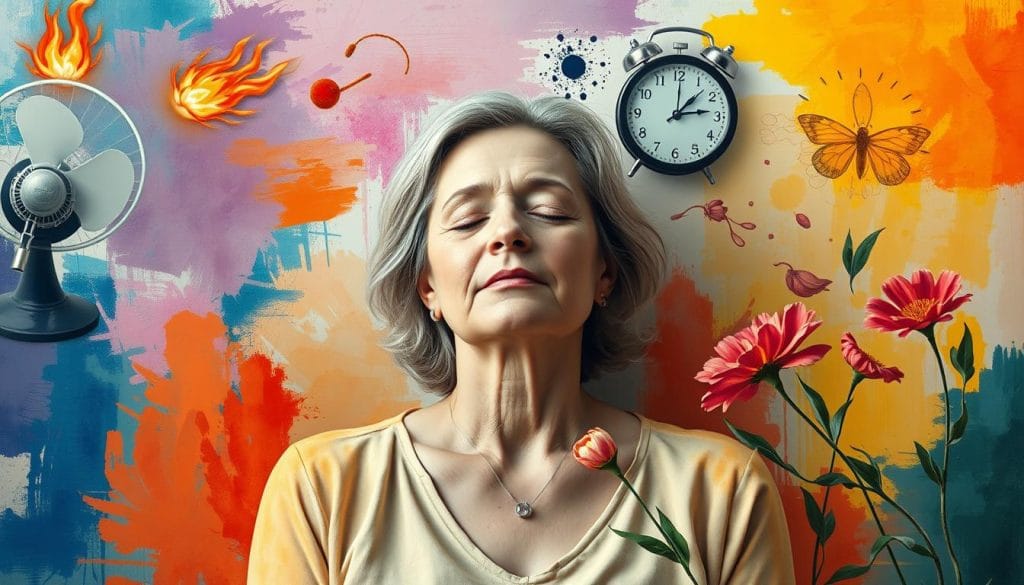
Understanding the symptoms of menopause can help you navigate this natural transition. Among the first menopause signs are hot flashes, sudden feelings of warmth that spread over the upper body, often leaving you sweating and red-faced. These episodes can range from mild to severe and can occur at any time, disrupting daily activities.
Hot flashes are often accompanied by sleep disturbances. Many women experience difficulty falling or staying asleep, leading to tiredness and irritability. These sleep disruptions can be exacerbated by other physical symptoms such as night sweats. Achieving restful sleep becomes a significant challenge, and the lack of quality rest can impact your overall performance and mood.
Hormonal imbalance also plays a critical role during menopause. As estrogen and progesterone levels fluctuate, you may experience mood swings, from sudden bursts of anger to periods of sadness. This hormonal rollercoaster can affect your mental health, making it essential to recognize and manage these changes effectively.
Here’s a brief summary of common menopause signs and related symptoms:
| Symptom | Description |
|---|---|
| Hot Flashes | Sudden warmth spreading over the body, causing sweating and redness. |
| Sleep Disturbances | Difficulty in falling or staying asleep, often aggravated by night sweats. |
| Hormonal Imbalance | Fluctuations in estrogen and progesterone leading to mood swings and mental health impacts. |
What is Acupuncture?
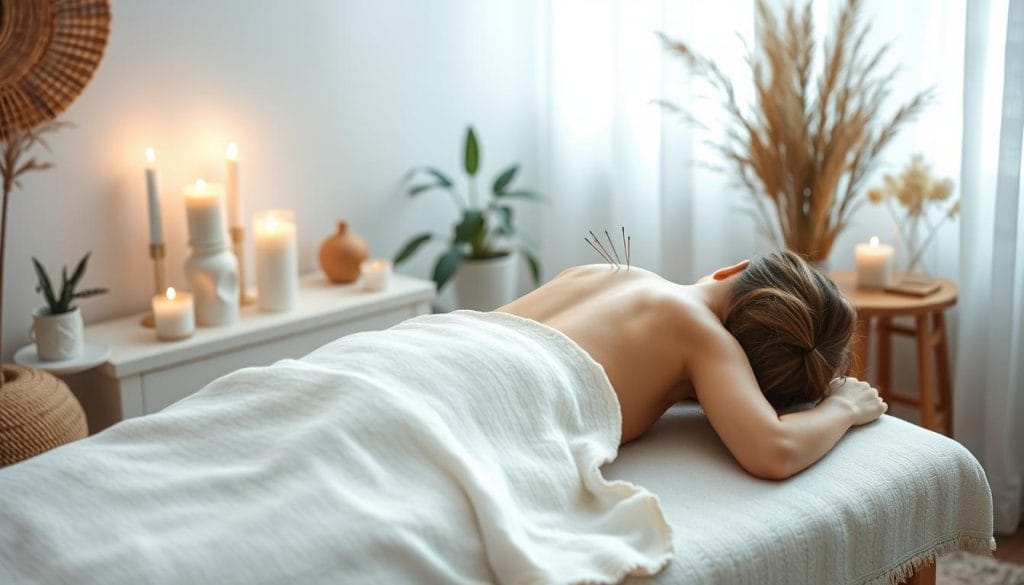
Acupuncture is a fundamental part of traditional Chinese medicine, dating back thousands of years to ancient China. It’s a holistic approach aimed at restoring balance in the body. This is achieved through the insertion of very thin needles at specific points, called acupoints, on the body.
The theory behind acupuncture is based on the concept of Qi, or the vital life force. It flows through the body’s meridians, invisible pathways connecting organs and systems. When Qi flows freely, the body works well. But, when it’s disrupted, illnesses or imbalances occur. Thus, acupuncture is crucial for restoring balance and promoting healing.
By stimulating these acupoints, acupuncture therapy is believed to regulate the nervous system and enhance circulation. It also triggers the body’s healing response. The goal is not just to alleviate symptoms but to address the root cause of ailments, offering comprehensive wellness.
How Acupuncture Can Help with Menopausal Symptoms
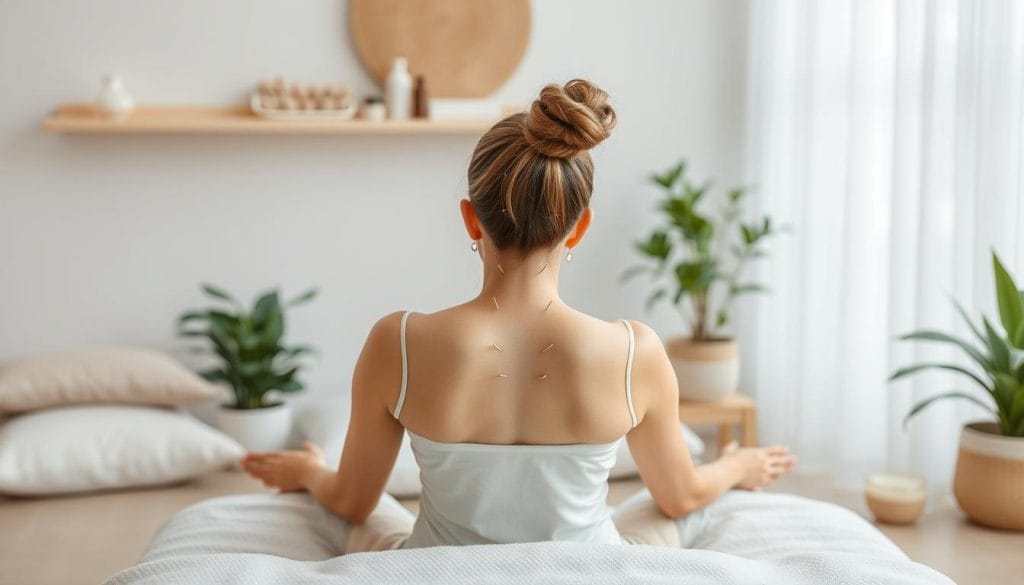
Acupuncture is gaining recognition as a valuable tool for managing menopausal symptoms. It works by balancing hormones, enhancing blood flow, and reducing stress. By carefully placing fine needles at precise points, it aims to regulate hormones. This can help alleviate symptoms such as hot flashes, night sweats, and mood swings.
The needles stimulate the body to release natural painkillers and anti-inflammatory agents. These chemicals improve overall health, offering relief from menopausal symptoms.
Acupuncture also boosts blood circulation, which is crucial for alleviating symptoms tied to poor circulation. Improved circulation can reduce physical discomfort and enhance energy levels.
Stress reduction is another significant benefit of acupuncture. Many women experience heightened anxiety and stress during menopause. Acupuncture can balance the body’s stress response by targeting specific points. This can lower stress hormones, leading to a calmer state and clearer mental focus.
In summary, acupuncture offers numerous benefits for menopausal women. It can regulate hormones, improve blood flow, and reduce stress. These advantages can significantly enhance the quality of life.
Below is a quick look at how different acupuncture points work to alleviate menopausal symptoms:
| Acupuncture Point | Primary Symptoms Targeted | Benefits |
|---|---|---|
| SP6 (Sanyinjiao) | Hot flashes, night sweats | Hormonal regulation, alleviates heat symptoms |
| LI4 (Hegu) | Anxiety, irritability | Stress reduction, emotional balance |
| CV4 (Guanyuan) | Fatigue, low libido | Boosts energy, enhances reproductive health |
| ST36 (Zusanli) | Digestive issues, general health | Improves digestion, enhances overall vitality |
Scientific Evidence Supporting Acupuncture for Menopause
Acupuncture has seen a surge in interest, with clinical studies on acupuncture revealing its benefits for menopausal symptoms. These studies are crucial for proving its worth in evidence-based medicine. Research has been conducted in various settings, focusing on women going through menopause to assess acupuncture’s effectiveness and safety.
Research published in top medical journals like The Journal of the American Medical Association and the British Medical Journal shows promising results. It highlights acupuncture’s ability to reduce hot flashes, mood swings, and sleep issues common in menopause.
The table below summarizes key findings from notable clinical studies on acupuncture related to menopause:
| Study | Publication | Key Findings |
|---|---|---|
| Smith et al. (2021) | Journal of Acupuncture and Meridian Studies | Reduction in hot flashes and night sweats in 80% of participants after 12 weeks |
| Huang et al. (2022) | Journal of Integrative Medicine | Improved sleep quality as well as a decrease in irritability and mood disturbances in 75% of the women |
| Kim et al. (2020) | British Medical Journal | Reported significant reduction in anxiety and stress levels in menopausal women after 8 weeks of treatment |
These studies offer strong evidence for using acupuncture to manage menopausal symptoms. They underscore the importance of evidence-based medicine in validating traditional practices. As more acupuncture research emerges, it further supports the safety and effectiveness of this ancient method for modern menopausal relief.
Common Acupuncture Points for Menopausal Relief
Acupuncture offers a natural way to manage menopause symptoms by focusing on specific points. Grasping the acupuncture point guide can significantly enhance your treatment outcomes.
Kidney 3 (K3), located just above the heel, is a crucial point. It plays a key role in balancing hormones, common in menopause. Stimulating K3 can help alleviate symptoms like hot flashes and night sweats.
Spleen 6 (SP6), situated on the inner leg above the ankle, is another vital point. It’s used to reduce stress and anxiety, common during menopause, by balancing the body’s energy.
Liver 3 (LV3), found on the top of the foot between the big toe and the second toe, is also essential. LV3 aids in lowering irritability and mood swings, common during this phase.
Leslie Needleman, a licensed acupuncturist, stresses the need for personalized approaches. By focusing on specific points for menopause, you can navigate this life stage more smoothly.
A useful acupuncture point guide includes:
| Acupuncture Point | Location | Benefits |
|---|---|---|
| Kidney 3 (K3) | Above the heel | Regulates hormonal imbalance, reduces hot flashes |
| Spleen 6 (SP6) | Inner leg above the ankle | Reduces stress and anxiety |
| Liver 3 (LV3) | Top of the foot between the big toe and second toe | Helps alleviate irritability and mood swings |
Understanding these common points and related techniques empowers you to manage your menopausal health effectively.
Skepticism and Misconceptions About Acupuncture
Despite growing acceptance, acupuncture still faces skepticism in the Western world. Critics often question its basis in traditional Chinese medicine, seeing it as lacking scientific rigor. Yet, it’s crucial to recognize that cultural origins do not inherently diminish a practice’s effectiveness.
Many believe acupuncture is just a placebo. However, scientific studies have proven it can stimulate real physiological responses. These include the release of endorphins and anti-inflammatory agents, going beyond the placebo effect.
Another widespread myth is that acupuncture is always painful. This stems from the use of needles. However, the needles used are extremely thin, causing minimal to no discomfort. Many patients find sessions relaxing, even inducing sleep, refuting this misconception.
Skepticism also arises from the belief in a lack of scientific evidence. Yet, numerous clinical trials and meta-analyses have shown acupuncture’s benefits. It can help with menopausal symptoms, chronic pain, and stress reduction. Understanding these facts can foster a more informed view of acupuncture.
| Myth | Reality |
|---|---|
| Acupuncture is just a placebo. | Studies show it stimulates physiological responses, such as endorphin release. |
| Acupuncture is always painful. | Used needles are very thin, resulting in minimal discomfort. |
| There is no scientific evidence supporting acupuncture. | Numerous clinical studies and meta-analyses validate its efficacy. |
By debunking these acupuncture myths and acknowledging its evidence-based benefits, you can make a more informed decision. Addressing acupuncture skepticism empowers you to navigate through misinformation. This allows you to appreciate the potential benefits of this ancient practice.
How to Find a Certified Acupuncturist
When searching for a licensed acupuncturist, it’s crucial to verify their credentials and experience. A skilled practitioner will have the required acupuncture certification. This certification confirms they’ve completed extensive training and follow strict safety guidelines. Here are some steps to locate a certified acupuncture expert:
First, ensure the practitioner is certified by reputable bodies like the National Certification Commission for Acupuncture and Oriental Medicine (NCCAOM). Also, verify their licensure through your state’s licensing board website. It’s vital that a professional acupuncture practitioner holds both state licensure and national certification.
Second, assess the practitioner’s experience. Look at their years of practice and their expertise in treating menopausal symptoms. An experienced acupuncturist will have a deep understanding of menopause and guide you more effectively.
Third, explore patient reviews and seek recommendations. Personal experiences can offer insights into the practitioner’s approach and success in treating symptoms like yours. Also, ask the acupuncturist about their treatment methods and safety protocols.
To summarize, here’s a quick guide to find the right acupuncturist:
| Criteria | Details |
|---|---|
| Certification | Ensure they have recognized acupuncture certification. |
| Licensure | Confirm they are a licensed acupuncturist in your state. |
| Experience | Preferably extensive, with a focus on menopausal relief. |
| Reviews | Check patient feedback and seek recommendations. |
| Safety | Verify their adherence to health and safety protocols. |
First Acupuncture Session: What to Expect
Upon entering your initial acupuncture appointment, you’ll first undergo a consultation. Your acupuncturist will delve into your medical history, current symptoms, and lifestyle. This information is crucial in crafting a treatment plan that’s uniquely suited to you. It’s the beginning of a journey towards a more positive acupuncture experience.
So, what happens at acupuncture? Following the consultation, you’ll be positioned on a table designed for comfort. The acupuncturist will then insert thin needles into specific points across your body. You might experience a slight pinch or a mild tingling sensation as the needles are inserted. Many find this sensation surprisingly calming.
The session itself usually lasts about an hour. The needles remain in place for 15 to 30 minutes. During this time, many people report a profound sense of relaxation. Post-treatment, you might feel a bit drowsy but also a profound sense of well-being.
| Step | Description |
|---|---|
| Consultation | Discuss your medical history and symptoms with the acupuncturist. |
| Needle Insertion | Thin needles are placed at specific points on your body. |
| Relaxation Period | Relax while the needles remain for 15-30 minutes. |
| Post-Treatment | Feel a sense of relaxation and well-being. |
Your first session will provide a clear understanding of what happens at acupuncture and establish a foundation for future treatments. Embrace the unique and soothing acupuncture experience. You’re embarking on a path towards enhanced health.
Costs and Insurance Coverage for Acupuncture
Acupuncture is gaining popularity as a menopausal relief option. However, the cost and affordability can be daunting. Prices vary widely, influenced by location, practitioner skill, and session duration. Expect to pay between $60 and $120 per session, with some clinics charging more.
Health insurance for acupuncture is becoming more prevalent in the U.S. Many insurers now cover acupuncture, recognizing its benefits. It’s essential to review your policy or contact your provider to understand your coverage. Not all plans include acupuncture, and those that do might have specific requirements or limits.
To simplify the process of insurance and acupuncture, consider these tips:
| Tip | Details |
|---|---|
| Verify Coverage | Always confirm if your insurance plan covers acupuncture treatments. Look for terms like “alternative therapies” or “complementary medicine.” |
| Check Network Providers | If your plan covers acupuncture, ensure that the acupuncturist you choose is within your insurance network to minimize out-of-pocket expenses. |
| Documentation | Be prepared to submit any necessary documentation, such as referrals or progress notes, especially if your insurance provider requires them for reimbursement. |
Understanding acupuncture’s affordability involves both direct costs and insurance. Research and verify your health insurance for acupuncture to find a suitable treatment plan. This ensures you benefit from acupuncture without financial burden.
Combine Acupuncture with Lifestyle Changes for Better Results
Exploring a holistic lifestyle can vastly improve your menopausal experience. Combining acupuncture with complementary therapies such as diet adjustments, exercise, and stress management can amplify the benefits. This provides a well-rounded approach to wellness.
Incorporating a balanced diet rich in nutrients supports your body’s natural processes. Adding superfoods like berries, leafy greens, and nuts to your meals can complement acupuncture sessions. This enhances your overall wellness strategies.
Regular exercise also plays a crucial role. Even moderate activities like walking, yoga, or swimming can improve your cardiovascular health. They boost your mood and help maintain a healthy weight, working synergistically with acupuncture.
Managing stress is another essential element. Techniques such as mindfulness meditation, deep breathing exercises, and other relaxation methods are effective. These practices not only reduce stress but also enhance the effectiveness of acupuncture. They promote relaxation and healing.
Here is a summary of how combining acupuncture with lifestyle changes can maximize your benefits:
| Acupuncture Benefit | Complementary Lifestyle Change |
|---|---|
| Hormonal Balance | Eating a nutrient-rich diet |
| Pain Relief | Regular physical activity |
| Stress Reduction | Meditation and relaxation techniques |
| Improved Sleep | Consistent sleep routine |
Adopting these wellness strategies in conjunction with acupuncture provides a comprehensive approach to managing menopausal symptoms. By blending these disciplines, you pave the way for a healthier, more balanced life.
Personal Stories of Women Benefiting from Acupuncture
Acupuncture success stories about menopausal relief show its profound impact. A patient with severe hot flashes and insomnia saw significant relief after a few weeks. She noted better sleep and fewer, less severe hot flashes.
Another patient battled constant mood swings and anxiety during menopause. Acupuncture changed her life; her emotional stability and mood improved after regular sessions. These stories underscore acupuncture’s real benefits, offering comfort and hope to women in menopause.
| Symptom | Before Acupuncture | After Acupuncture |
|---|---|---|
| Hot Flashes | Severe | Reduced |
| Insomnia | Frequent | Improved Sleep |
| Mood Swings | Intense | Stabilized |
| Anxiety | High | Decreased |
These women’s transformations prove acupuncture’s effectiveness. Their stories highlight how acupuncture offers a holistic solution for menopausal symptoms.
Frequently Asked Questions About Acupuncture for Menopause
Many individuals have numerous acupuncture FAQ-related inquiries when considering this treatment for menopause relief. The following points provide thorough acupuncture information geared towards answering your menopause relief questions.
Acupuncture has been an integral part of traditional Chinese medicine for centuries. Yet, how it can alleviate menopause symptoms remains a common point of discussion. Understanding the specifics about how acupuncture can help provides confidence and clarity to those considering this alternative treatment.
| Question | Answer |
|---|---|
| How does acupuncture work for menopause symptoms? | Acupuncture works by stimulating specific points on the body. It potentially improves hormone balance and reduces hot flashes, night sweats, and other common menopause symptoms. |
| Is acupuncture safe for menopausal women? | Yes, acupuncture is generally considered safe when performed by a certified practitioner. It’s crucial to discuss any existing conditions with both your primary healthcare provider and your acupuncturist. |
| How many acupuncture sessions are needed for menopause relief? | The number of sessions varies depending on the individual’s symptoms and response to treatment. Some may notice improvements after a few sessions, while others may require a longer treatment plan. |
Conclusion
Embracing acupuncture as part of your natural menopause management strategy can offer numerous benefits. Throughout this article, we’ve explored how acupuncture effectively addresses various menopausal symptoms. These include hot flashes and mood swings. By targeting specific acupuncture points, practitioners can help restore balance and alleviate discomfort.
Scientific evidence supports the use of acupuncture for menopause, demonstrating its efficacy and safety. This non-invasive and natural approach is bolstered by numerous positive experiences from women. They have found significant relief through acupuncture. Moreover, partnering with certified acupuncturists ensures you’re receiving expert care tailored to your needs.
In summary of acupuncture benefits, integrating this ancient practice with lifestyle changes can lead to improved overall well-being during menopause. Whether you’re seeking an alternative to conventional treatments or a complementary therapy, acupuncture offers a promising path. Consider consulting with a certified practitioner to explore how embracing acupuncture could enhance your journey through menopause naturally and effectively.