
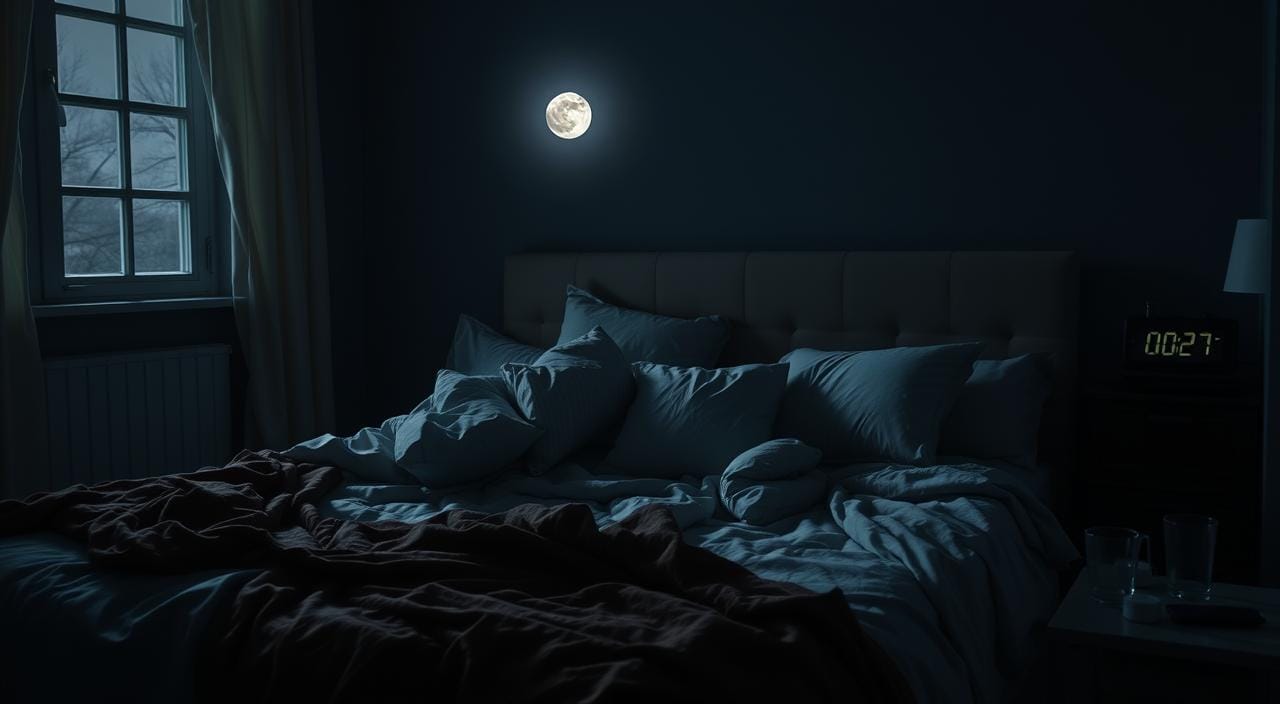

Menopause is not just about hot flashes and mood swings. It also brings significant sleep disturbances. This period, known as the “change of life,” can disrupt night-time rest. Symptoms that many may not anticipate are common.
Experts say poor sleep quality and frequent night-time awakenings are common. Yet, they are often overlooked. Sleep disturbances affect 40-60% of menopausal women. This highlights the need for a deeper understanding and effective solutions.
Key Takeaways
- Sleep disturbances are reported by 40-60% of menopausal women.
- Postmenopausal women are two to three times more likely to have sleep apnea compared with premenopausal women.
- Regular exercise can help individuals experiencing menopause sleep better.
- Alternative therapies like acupuncture can aid in improving sleep quality.
- Hormone replacement therapies may benefit sleep but can have detrimental side effects.
The Relationship Between Menopause and Sleep
Menopause marks a significant transition in a woman’s life, bringing about changes in her body, including sleep disruptions. These sleep issues often begin during perimenopause, a phase characterized by hormonal fluctuations and irregular menstrual cycles. It’s during this time that many women first experience notable sleep disruptions, which can persist into full menopause.
The hormonal changes during perimenopause, such as decreased estrogen and progesterone levels, lead to sleep problems. These hormonal shifts cause a range of symptoms that can disrupt sleep. Women often find it hard to fall asleep, wake up frequently, or experience night sweats and hot flashes that interfere with restful sleep.
The Study of Women’s Health across the Nation (SWAN) highlights the growing sleep problems during the menopause transition. In a study of 3,897 menopausal women, 15% reported worsening sleep issues. These issues include waking up multiple times during the night and early morning awakenings.
Furthermore, menopause sleep issues are closely linked to mental health. The study found that those with short or excessive sleep durations were more likely to experience depression. Specifically, short sleepers had a 17% higher depression rate, while those sleeping too much had an 86% higher rate.
| Sleep Characteristic | Impact |
|---|---|
| Short Sleep Duration | 17% higher prevalence of depression |
| Excessive Sleep Duration | 86% higher prevalence of depression |
| U-shaped Relationship ( | Increased risk of depression |
| U-shaped Relationship (> 7.5 hours) | Increased risk of depression |
| Non-smokers | Negative correlation with sleep and depression |
| Diabetics | Negative correlation with sleep and depression |
The hormonal impact on sleep is crucial. As women move through menopause, hormonal changes continue to affect their sleep patterns. Understanding these changes is key to addressing menopause sleep issues effectively. This knowledge helps in developing better management strategies, as discussed in subsequent sections.
Hot Flashes and Night Sweats
A significant disruptor of sleep for menopausal women is the occurrence of menopause hot flashes and nighttime sweats. These intense sensations of heat can occur unpredictably. They severely impact sleep by leading to awakenings that often misalign with your body’s natural sleep cycle.
Research from the Study of Women’s Health Across the Nation (SWAN) suggests that these awakenings might actually precede the hot flashes. This implies a deeper neurological trigger linked to temperature regulation during menopause. It’s not just the physical symptoms of hot flashes and nighttime sweats that cause sleep disruptions. The mental and emotional toll also plays a significant role.
Lack of sleep during this transition can lead to irritability or even depression. Following strategies such as maintaining a regular sleep schedule can help. Avoiding caffeine and alcohol before bedtime is also beneficial. Cognitive behavioral therapy for insomnia has shown promise in improving sleep for women grappling with these symptoms.
Incorporating these strategies into your routine can help you manage menopause hot flashes and nighttime sweats. This paves the way for better sleep. The National Sleep Foundation and The Menopause Society provide valuable resources on this topic. They empower you with the knowledge needed to navigate through these challenging symptoms.
Other Sleep Disruptors During Menopause
Menopause is a challenging phase of life that can exacerbate various sleep disruptors. Women in perimenopause or menopause frequently report sleep disturbances. Sleep apnea menopause is a significant concern. Research indicates that postmenopausal women are two to three times more likely to develop sleep apnea compared with premenopausal women. This increased risk is associated with hormonal changes, particularly the decline in estrogen and progesterone levels.
Depressive symptoms sleep and menopause anxiety sleep issues are additional factors that can impair sleep quality. It’s not uncommon for women to experience a combination of anxiety and depression during menopause. This can further complicate sleep patterns. Addressing these issues is crucial, as untreated sleep problems can have a significant impact on overall well-being.
Hormonal imbalances can lead to other sleep disruptors such as hot flashes and night sweats. The National Sleep Foundation reports that around 61% of menopausal women suffer from sleep problems. Hot flashes affect approximately 75% to 85% of them. These symptoms can last on average for five years, contributing to chronic sleep disturbances. To mitigate these issues, many women turn to hormone replacement therapy (HRT), which has been the traditional treatment for vasomotor symptoms during menopause.
Interestingly, stimulating the vagus nerve has shown promise in alleviating up to 70% of menopause symptoms, including sleep disruptions. Techniques such as deep breathing, meditation, and yoga can help harness the power of the vagus nerve to regulate internal functions. For more information on this, you can explore how harnessing the power of the vagus provides natural relief for menopause symptoms.
It is also important to look out for sleep apnea menopause, as many women may not seek evaluation for this condition. By recognizing and addressing these sleep disruptors early on, you can improve your quality of sleep and overall health during menopause. Stay proactive about your sleep health and consider consulting healthcare professionals to explore all available options, including both natural remedies and medical treatments, to get the rest you truly need.
Strategies for Better Sleep During Menopause
Despite the high incidence of sleep disturbances during menopause, effective strategies are available to help you improve your sleep. Implementing these sleep tips can make a significant difference in managing sleep disturbances. It is crucial to understand that fluctuating hormone levels play a significant role in sleep disruptions.
- Exercise Regularly: Consistent physical activity has been shown to improve sleep quality. Establish a routine that includes activities like yoga or brisk walking, which can also help reduce insomnia severity.
- Keep a Cool Bedroom Environment: Maintain a bedroom temperature between 60-67°F (15.6-19.4°C) to alleviate hot flashes and night sweats, which can significantly impact sleep.
- Bedtime Rituals: Developing a calming bedtime routine can ease the transition to sleep. Activities like reading a book or practicing deep breathing exercises can be beneficial.
- Avoid Caffeine and Heavy Meals: Caffeine stays in the system for up to 10 hours, potentially interfering with sleep. Opt for herbal teas without caffeine, especially before bed, and avoid eating heavy meals close to bedtime as it can lead to heartburn or acid reflux.
- Relaxation Techniques: Incorporate relaxation methods such as meditation or progressive muscle relaxation to manage anxiety and promote relaxation before sleep.
- Consistent Sleep Schedule: Aim to wake up and go to bed at the same times every day, even on weekends. Consistency helps regulate your sleep-wake cycle.
| Strategy | Benefit |
|---|---|
| Regular Exercise | Improves sleep quality and reduces insomnia severity. |
| Cool Bedroom | Alleviates hot flashes and night sweats. |
| Bedtime Rituals | Ease transition to sleep and establishes routine. |
| Avoid Caffeine & Heavy Meals | Prevents sleep disruptions due to caffeine and reflux. |
| Relaxation Techniques | Reduces anxiety and promotes relaxation. |
| Consistent Sleep Schedule | Regulates the sleep-wake cycle. |
Implementing these strategies for better sleep during menopause can lead to substantial improvements in managing sleep disturbances. Following these sleep tips can not only enhance the quality of your sleep but also improve overall well-being. Remember that small changes can make a big difference, and consistency is key in improving sleep during menopause.
Exercise and Its Role in Sleep Quality
Regular physical activity significantly improves sleep quality during menopause. Consistent exercise helps you fall asleep faster and enjoy deeper, more restorative sleep. This connection is crucial for addressing sleep issues common in menopause.
Exercise offers more than just easier sleep. Research indicates that it can reduce insomnia severity by up to 91%. It also helps alleviate overall sleep problems, showing its broad benefits.
Interestingly, studies found no significant difference in sleep quality between exercise groups and controls. However, exercise’s positive effects are more pronounced in those with sleep disorders. Adults who exercised for at least 30 minutes daily slept 15 minutes longer than non-exercisers.
Women experiencing menopause can greatly benefit from moderate-intensity aerobic activities. Such exercises improve sleep quality in patients with insomnia. Incorporating these exercises into your routine can be key in addressing sleep-related issues.
- Menopause exercise benefits extend to psychological well-being, with surveys indicating a high correlation between physical activity and reduced anxiety and depression.
- The intricate relationship between physical activity menopause sleep is supported by findings that moderate-intensity aerobic exercises improve sleep among patients with insomnia.
Adopting a regular exercise routine not only enhances sleep quality but also boosts overall wellness during menopause. Leveraging these menopause exercise benefits can significantly help manage the physical and emotional challenges of this stage.
Medications and Therapies for Sleep Issues
Managing sleep disturbances during menopause can be tough but crucial. A 2018 article noted that 26% of those in perimenopause and menopause struggle with insomnia, impacting daily life. Sleep disorders affect 16-42% in premenopause, 39-47% in perimenopause, and 35-60% in postmenopause. You might look into both pharmaceutical and alternative treatments.
SSRIs have been found to help with menopause-related sleep issues. They may reduce hot flashes and improve sleep quality. Yet, it’s vital to consider the potential side effects. Discussing these options with your healthcare provider is essential. Hormone replacement therapy, especially with estrogen, also shows promise in improving sleep, especially for those with hot flashes.
Alternative therapies like acupuncture and yoga are gaining attention. Acupuncture may help with hormonal and psychological symptoms affecting sleep. Yoga can reduce stress and anxiety, aiding in sleep improvement. Hypnosis has been shown to cut hot flash frequency and severity by up to 50%, offering a potential solution for insomnia linked to hot flashes.
Melatonin supplementation and light therapy can also enhance the circadian rhythm and reduce sleep issues. Lower melatonin levels with age may contribute to sleep problems, with postmenopausal individuals often having lower levels. Cognitive Behavioral Therapy, including stimulus control and sleep restriction, has also shown to improve sleep quality, making it a valuable option to consider.
If you’re facing sleep issues during menopause, talking to a healthcare professional is key. They can help you find the right treatment, whether it’s SSRIs, hormone replacement therapy, or alternative therapies. A comprehensive approach, combining different therapies, may offer the best results for improving sleep quality during this life stage.
Over-the-Counter Sleep Aids
Over-the-counter (OTC) sleep aids, such as antihistamines mixed with pain medication, are a quick and affordable fix for menopause sleep troubles. They don’t need a doctor’s prescription, making them easy to get for many women. Melatonin, which can drop during menopause, is often suggested. It might help start sleep and make it better.
While OTC sleep aids can offer temporary relief, their long-term benefits are not proven. It’s vital to be cautious with their use. Non-benzodiazepine hypnotics, like Ambien, Sonata, and Lunesta, are safer alternatives. They have fewer side effects than benzodiazepines, which can lead to dependency and cognitive problems.
B vitamins and magnesium also play a role. They can help with hot flashes and mood swings, which can improve sleep. When choosing safe sleep aids, look for products that follow Good Manufacturing Practices (GMPs). They should also be tested by organizations like NSF International or U.S. Pharmacopeia (USP).
To assess the effectiveness of OTC sleep aids, consider these options:
| Type of OTC Sleep Aid | Benefits | Considerations |
|---|---|---|
| Antihistamines | Helps with sleep onset | May cause daytime drowsiness |
| Melatonin | Improves sleep quality | Long-term efficacy not well-supported |
| Valerian Root | Reduces insomnia symptoms | Nausea and dizziness in some users |
| Magnesium | Improves sleep and reduces symptoms | Excess intake may cause digestive issues |
In conclusion, while OTC sleep aids can tackle short-term sleep problems, long-term lifestyle changes and medical advice are key for lasting relief from menopause sleep issues.
Lifestyle Changes to Improve Sleep
Menopause often disrupts sleep with issues like insomnia, night sweats, and sleep apnea. Making certain lifestyle adjustments can greatly enhance sleep quality. A consistent bedtime routine menopause is particularly beneficial. It signals to your body that it’s time to relax, reducing the chance of restless nights.
Creating an ideal sleep environment menopause is also key. Your bedroom should be cool, comfortable, and free from distractions. Wearing moisture-wicking nightwear can help manage night sweats. Cooling strategies like chilled hot water bottles or wet flannels are also helpful.
Good sleep hygiene is essential. Avoid stimulants like caffeine and electronic devices before bed. Eating foods rich in magnesium, such as dark leafy greens, nuts, and fish, can promote sleep. Taking magnesium and calcium supplements together may also reduce nighttime awakenings.
Incorporating tryptophan-rich foods like oats, chicken, and seeds into your diet can improve sleep. Relaxation techniques, including meditation, yoga, and deep breathing exercises, can also enhance sleep quality. Regular aerobic exercise and strength training contribute to better rest.
By embracing these lifestyle changes and sticking to a consistent routine, you can significantly reduce sleep disturbances caused by menopause. This leads to more restful nights and improved overall well-being.
Proven Techniques for Sleep Improvement
Menopause brings unique sleep challenges that require a comprehensive strategy. Cognitive behavioral therapy insomnia (CBT-I) is a top choice for addressing these issues. It helps change negative thought patterns and behaviors that interfere with sleep. This makes it a highly recommended approach for many.
CBT-I is backed by the North American Menopause Society. It’s particularly effective for menopausal women, enhancing sleep quality. Techniques like relaxation exercises and consistent sleep schedules are taught. Cognitive restructuring to challenge and alter negative sleep thoughts also proves beneficial.
Other effective techniques include environmental adjustments and lifestyle changes. A cool, dark, and quiet sleep environment greatly improves sleep quality. Regular exercise, a balanced diet, and limiting caffeine and alcohol also help. These changes can significantly improve sleep during menopause.
Hormone therapy, such as estrogen and progesterone, is another proven method. Studies show it can reduce nighttime wakefulness and symptoms like hot flashes and night sweats. These symptoms often disrupt sleep.
By exploring these diverse approaches, you can find comprehensive relief and enhance sleep quality. Adopting these effective methods can transform your menopausal journey. It leads to more restful and rejuvenating nights.
| Age Group | Prevalence of Sleep Disorders |
|---|---|
| Premenopausal Women | 16% to 42% |
| Perimenopausal Women | 39% to 47% |
| Postmenopausal Women | 35% to 60% |
Long-Term Health Effects of Poor Sleep During Menopause
Understanding the long-term health effects of poor sleep during menopause is vital for overall wellness. Chronic sleep deprivation during menopause can lead to several significant health issues.
A recent study by the British Menopause Society found that up to 60% of women experience sleep problems during menopause. These issues can occur at any stage of the menopause transition and are often worsened by age-related factors. The National Sleep Foundation in the United States reports that over 60% of women going through menopause face sleep difficulties.
The consequences of sleep deprivation during menopause are severe. Women with poor sleep are at higher risk for cardiovascular diseases, weight gain, and impaired cognitive functions. These risks are further increased by the fact that up to 50% of women face sleep disruptions that significantly interfere with their daily lives.
Research also shows that pre-menopausal sleep problems are a significant predictor of menopausal sleep issues. Self-reported rates of sleep difficulties during menopause range from 40-56%. This underscores the importance of addressing sleep problems early to prevent long-term health implications.
Hot flashes, which affect 60-80% of women during menopause, further complicate sleep health by frequently disrupting rest. If left unaddressed, these disturbances can lead to chronic sleep deprivation, worsening the overall health risks associated with this transitional phase.
It is evident that prioritizing menopause sleep health is crucial. By recognizing the health risks poor sleep poses, women can take proactive steps to mitigate sleep deprivation effects and safeguard their long-term well-being during and after menopause.
Conclusion
Managing menopause sleep can be a significant challenge, but with the right strategies, improvements are possible. A study of 410 postmenopausal women aged 50-60 found that 34.6% struggled with poor sleep quality. This highlights the need to address these issues. Yet, over 65% of participants were considered good sleepers, showing that effective management is attainable.
A holistic approach to menopause sleep involves lifestyle adjustments, medical interventions like hormone therapy, and supportive therapies. These proactive steps are essential since sleep disturbances can worsen somatic and urogenital symptoms. The study’s use of the Pittsburgh Sleep Quality Index (PSQI) showed a clear link between these symptoms and poor sleep quality.
Regular exercise, a consistent sleep schedule, and seeking professional advice can greatly improve life quality during menopause. By focusing on sleep health, you can navigate menopause more smoothly. This ensures overall well-being and a better quality of life. Remember, managing menopause sleep is not just about rest. It’s about enhancing your entire menopausal experience.
Source Links
- https://www.hopkinsmedicine.org/health/wellness-and-prevention/how-does-menopause-affect-my-sleep – How Does Menopause Affect My Sleep?
- https://www.sleepfoundation.org/women-sleep/menopause-and-sleep – How Can Menopause Affect Sleep?
- https://pmc.ncbi.nlm.nih.gov/articles/PMC6092036/ – Sleep and sleep disorders in the menopausal transition
- https://pmc.ncbi.nlm.nih.gov/articles/PMC10910023/ – Association between sleep duration and depression in menopausal women: a population-based study
- https://www.swanstudy.org/womens-health-info/effects-of-sleep-problems-during-menopause/ – Effects of Sleep Problems During Menopause
- https://www.nia.nih.gov/health/menopause/sleep-problems-and-menopause-what-can-i-do – Sleep Problems and Menopause: What Can I Do?
- https://my.clevelandclinic.org/health/symptoms/16562-night-sweats – Night Sweats: Menopause, Other Causes & Treatment
- https://www.healthline.com/health/menopause/hot-flashes-at-night – Dealing with Menopausal Hot Flashes and Night Sweats
- https://www.piedmont.org/living-real-change/get-a-better-nights-sleep-during-menopause – Get A Better Night’s Sleep During Menopause
- https://www.webmd.com/menopause/sleep-disorders-sleep-menopause – Sleep and Menopause
- https://www.draliabadi.com/menopause/menopausal-sleep-disorders/ – Sleep Disorders and Menopause
- https://www.everydayhealth.com/menopause-pictures/tips-to-sleep-better-with-menopause.aspx – 7 Tips to Sleep Better With Menopause
- https://www.healthline.com/health/menopause/menopause-and-insomnia – Menopause and Insomnia
- https://pmc.ncbi.nlm.nih.gov/articles/PMC10167708/ – The effect of exercise intervention on improving sleep in menopausal women: a systematic review and meta-analysis
- https://pmc.ncbi.nlm.nih.gov/articles/PMC10503965/ – The Effect of Physical Activity on Sleep Quality and Sleep Disorder: A Systematic Review
- https://www.frontiersin.org/journals/psychiatry/articles/10.3389/fpsyt.2022.1025682/full – Frontiers | Effects of aerobics training on anxiety, depression and sleep quality in perimenopausal women
- https://www.medicalnewstoday.com/articles/menopause-and-insomnia – Menopause and insomnia: Link, duration, and remedies
- https://www.menopause.org.au/hp/information-sheets/sleep-disturbance-and-the-menopause2 – Sleep Disturbance and the Menopause
- https://www.verywellhealth.com/insomnia-medications-for-menopause-2322786 – Meds to Help You Sleep Better During Menopause
- https://www.elektrahealth.com/blog/otc-sleep-aids-menopause/ – Trouble Sleeping During Menopause? These Natural Sleep Aids May Help. | Elektra Health
- https://sleepdoctor.com/women/best-sleep-supplements-for-menopause/ – Best Sleep Supplements for Menopause
- https://www.pacgyn.com/menopause-and-sleep-disturbances-tips-for-a-restful-night/ – Menopause and Sleep Disturbances: Tips for a Restful Night – Pacific Gynecology & Obstetrics Medical Group
- https://www.positivepause.co.uk/menopause-blog/menopause-sleep-problems-lifestyle-diet-and-nutrition-changes-to-help – Diet and Lifestyle Changes to Improve Menopause Sleep Problems | Positive Pause
- https://pmc.ncbi.nlm.nih.gov/articles/PMC6718648/ – Sleep Disorders and Menopause – PMC
- https://www.menopause.org.nz/menopause-sleep – Sleep Better Through Menopause
- https://www.mymenopausecentre.com/symptoms/sleep-issues/ – Sleep issues
- https://www.sleepstation.org.uk/articles/health/menopause-and-sleep/ – Menopause and sleep – Sleepstation
- https://pmc.ncbi.nlm.nih.gov/articles/PMC9998056/ – The relationship between sleep quality and menopausal symptoms among postmenopausal women in Saudi Arabia
- https://www.dovepress.com/sleep-problems-during-the-menopausal-transition-prevalence-impact-and–peer-reviewed-fulltext-article-NSS – Sleep problems during the menopausal transition: prevalence, impact, a | NSS
- https://link.springer.com/article/10.1007/s11325-023-02793-5 – Global prevalence of sleep disorders during menopause: a meta-analysis – Sleep and Breathing