
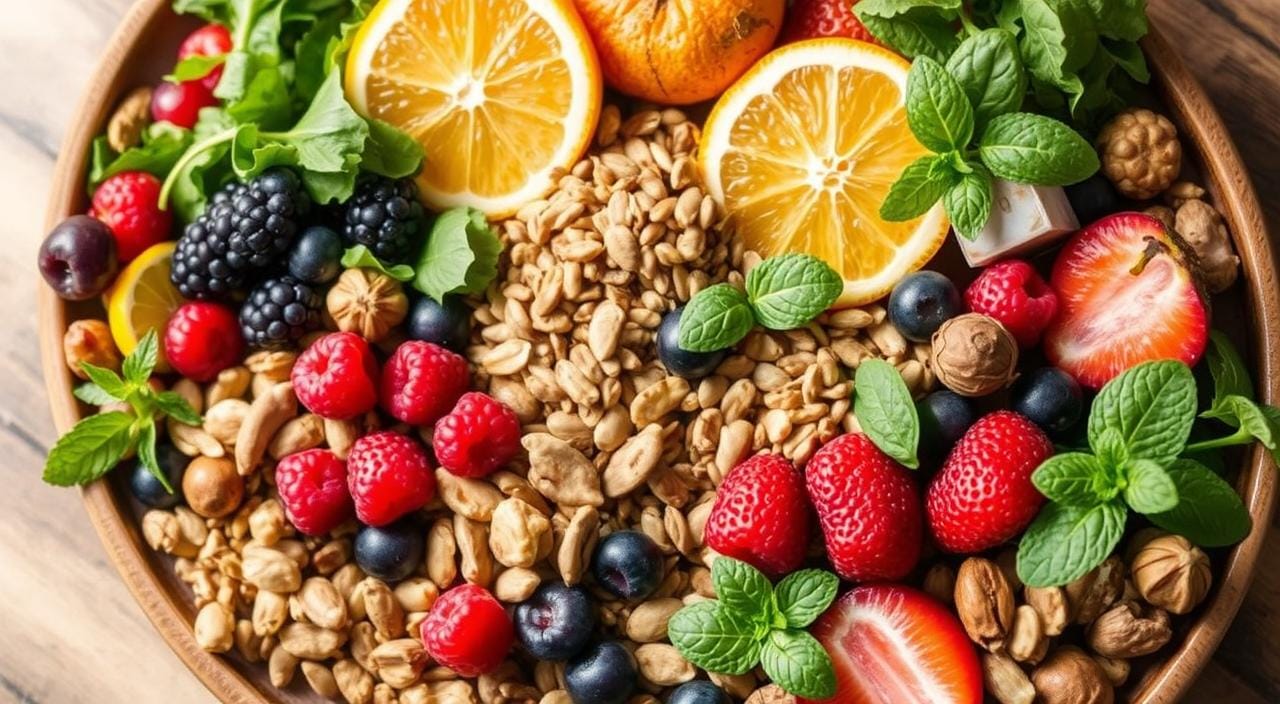
Ever thought about how your diet might ease hot flashes during menopause? Recent studies hint that your food choices could be key. Hot flashes, a common symptom, can really disrupt your day. But, there are natural ways to find relief. Imagine if tweaking your meals could stop those sudden heat waves and sweat.
So, what hot flash remedies are in your kitchen? Let’s dive into how food and menopause relief are connected.
Key Takeaways
- Your diet can play a significant role in managing hot flashes.
- Phytoestrogens, found in certain foods, might help with hot flash relief.
- Incorporating omega-3 fatty acids could decrease the frequency of hot flashes.
- Fruits and vegetables provide essential nutrients that can aid in menopause relief.
- Staying hydrated is crucial for reducing hot flash intensity.
- Some foods can exacerbate hot flashes and should be avoided.
Understanding Hot Flashes
Hot flashes are sudden feelings of heat that spread across your face and body. They are a common symptom of menopause for many women. This sensation can cause redness and sweating, leaving you feeling uncomfortable. Knowing what causes hot flashes and how they relate to hormonal changes can help you manage them better.
Several factors contribute to hot flash causes. Hormonal shifts, like the decline in estrogen levels, play a big role. As menopause approaches, the body’s thermostat becomes more sensitive to temperature changes. This sensitivity can trigger a hot flash, as your body mistakenly thinks it needs to cool down, leading to rapid heat and sweating.
As estrogen production decreases, the body’s temperature regulation is disrupted. This can lead to frequent hot flashes, varying in intensity and duration. While some women experience mild symptoms, others may have severe flashes that significantly impact their daily lives. It’s important to recognize the connection between menopause symptoms and hormonal changes for proper management and relief.
To better illustrate the relationship between estrogen levels and hot flashes, consider the following table:
| Estrogen Level | Hot Flash Occurrence | Symptom Intensity |
|---|---|---|
| High | Rare | Mild |
| Moderate | Occasional | Moderate |
| Low | Frequent | Severe |
By understanding the underlying causes of hot flashes, you can take proactive steps to alleviate these uncomfortable symptoms. Addressing these symptoms often involves lifestyle adjustments, such as diet and stress management. These changes can help mitigate the impact of hormonal changes during menopause.
How Diet Affects Hot Flashes
Understanding how your diet impacts hot flashes is crucial for managing menopause symptoms. It’s known that estrogen level changes are a major factor in these sudden heat waves. By being mindful of your menopause diet, you can help reduce these disruptive episodes.
Research shows that what you eat significantly affects hot flash frequency and severity. Foods like caffeine, alcohol, and processed sugars can worsen symptoms. Thus, focusing on your nutrition and menopause is key. Adding cooling foods such as soy, phytoestrogen-rich foods, and plenty of fruits and vegetables can help.
Adopting balanced eating habits can greatly improve your situation. The Mediterranean diet, for instance, has been shown to effectively control hot flashes. It focuses on healthy fats, like olive oil and fish, and plenty of fruits and vegetables, avoiding processed foods. Choosing the right foods not only boosts your health but also helps stabilize your internal environment, potentially reducing hot flashes.
Understanding these details and making conscious dietary changes can lead to significant benefits. Experts and nutritional research agree that a well-managed menopause diet is a valuable tool for wellness. By staying informed and proactive about food triggers, you can navigate menopause more comfortably.
Phytoestrogens and Hot Flashes
Phytoestrogens, known as plant estrogens, are compounds in certain foods that mimic estrogen in the body. Adding phytoestrogen-rich foods to your diet may help with hot flashes, a common menopause symptom.
Soy products like tofu, tempeh, and soy milk are rich in dietary estrogens. Flaxseeds are also a significant source. These foods can help balance your hormones, possibly reducing hot flash frequency and intensity.
Nuts such as walnuts and almonds are also good sources of phytoestrogens. They offer essential nutrients and help manage menopause symptoms. Research and nutritional data are highlighting the benefits of dietary estrogens in easing hot flashes.
“The incorporation of plant estrogens into the diet can be a viable natural approach to mitigate hot flashes among menopausal women,”
The table below shows some common phytoestrogen-rich foods and their benefits:
| Food | Source of Phytoestrogens | Health Benefits |
|---|---|---|
| Soy Products (Tofu, Tempeh, Soy Milk) | Isoflavones | Reduces hot flashes, supports bone health |
| Flaxseeds | Lignans | Improves digestion, alleviates menopausal symptoms |
| Walnuts | Phytoestrogens | Supports heart health, provides omega-3 fatty acids |
| Almonds | Phytoestrogens | Boosts energy, enhances skin health |
Understanding the role of phytoestrogen-rich foods and adding them to your diet can significantly help manage hot flashes. These plant estrogens offer nutritional benefits for a holistic approach to menopause symptoms.
The Benefits of Omega-3 Fatty Acids
Incorporating omega-3 fatty acids into your diet can be highly beneficial, notably during menopause. Omega-3’s potential to reduce hot flash severity stands out. This is due to its anti-inflammatory properties.
Fish oils are a prime source of omega-3. You can find these essential fatty acids in fish like salmon, mackerel, sardines, and anchovies. Consuming these can offer natural relief from menopausal symptoms, thanks to their high omega-3 content.
Plant-based sources also offer effective alternatives. Chia seeds, flaxseeds, and walnuts are excellent choices. Adding these to your meals can be a key part of an anti-inflammatory diet. This may help alleviate hot flashes and other menopausal discomforts.
The science backing this is robust. Studies indicate that omega-3 fatty acids can influence prostaglandin production. This affects inflammation and, in turn, hot flash regulation. Thus, including omega-3 for menopause in your diet can have a significant, positive impact.
“Regular consumption of omega-3 fatty acids may offer some relief from the intensity of hot flashes experienced during menopause, making it an important dietary consideration,” says Dr. Jean Mayer, a leading researcher in nutritional sciences.
| Food Source | Omega-3 Content (per 100g) |
|---|---|
| Salmon | 2.5 g |
| Mackerel | 5.1 g |
| Chia Seeds | 17.8 g |
| Flaxseeds | 22.8 g |
| Walnuts | 9 g |
Adopting an anti-inflammatory diet rich in omega-3 fatty acids can be a proactive step in managing menopause symptoms. Incorporating fish oils and plant-based sources into your diet is both simple and rewarding. It offers a natural way to alleviate the challenges of menopause.
Incorporating Fruits and Vegetables
Adopting a plant-based diet rich in fruits and vegetables can significantly improve hot flash management. These foods are packed with antioxidants and high in fiber. Including more of these nutrients can lead to hormonal balance and a smoother menopause transition.
Antioxidants in fruits and vegetables are key in combating free radicals. This can help lessen hot flash intensity and frequency. High-fiber foods, on the other hand, support digestion and maintain blood sugar levels. This is crucial for hormonal stability.
Here are some practical tips to effortlessly integrate more fruits and vegetables into your daily routine:
| Tip | Description |
|---|---|
| Start with Breakfast | Add berries, bananas, or spinach to your morning smoothie or oatmeal. |
| Snack Wisely | Opt for carrot sticks, apple slices, or a handful of grapes instead of processed snacks. |
| Stir-fry Savvy | Include a variety of colorful vegetables like bell peppers, broccoli, and snap peas in your stir-fry dishes. |
| Salad Upgrades | Enhance your salads with mixed greens, cherry tomatoes, cucumbers, and avocados for a nutrient boost. |
| Dessert with a Twist | Choose fruit-based desserts like a fruit salad or baked apple with a sprinkle of cinnamon. |
By incorporating these simple yet effective techniques, you can enjoy the benefits of a plant-based diet. This ensures you get enough antioxidants and high-fiber foods to support your well-being during menopause.
Dairy Products and Hot Flashes
Exploring how dairy products affect hot flashes can provide insightful dietary adjustments. Incorporating dairy, with a focus on low-fat dairy options, can be beneficial. Consuming calcium-rich foods supports not only bone health but may also have an impact on the frequency of hot flashes.
Choosing the right kind of dairy is crucial. Low-fat dairy is often recommended as it provides essential nutrients without the added fat content that might influence the severity of hot flashes. This type of dairy includes options like skim milk, low-fat yogurt, and reduced-fat cheese.
A significant consideration when adding dairy to your diet is lactose intolerance. For those who experience discomfort or digestive issues with regular dairy, lactose-free alternatives are abundant and still offer the benefits of calcium-rich foods.
“Understanding how different dairy products affect your body can help in managing hot flashes effectively. Stick to low-fat options and consider lactose-free products if necessary.” – Dr. Jane Smith, Nutrition Expert
| Dairy Product | Calcium Content | Fat Content | Lactose-Free Option |
|---|---|---|---|
| Skim Milk | 300 mg per cup | 0.2 g | Yes |
| Low-Fat Yogurt | 450 mg per cup | 2 g | Yes |
| Reduced-Fat Cheese | 200 mg per slice | 4 g | Yes |
| Almond Milk | 450 mg per cup | 2.5 g | Yes |
Incorporating these calcium-rich foods into your diet can help manage hot flashes more effectively. Whether you choose low-fat dairy or lactose intolerance-friendly options, the key is to select products that suit your personal health needs.
Hydration and Its Importance
Staying hydrated is vital for our health, but it’s even more critical during menopause. Adequate water intake supports our bodily functions and can lessen hot flashes, a common symptom.
Dehydration worsens hot flashes and contributes to headaches, dry skin, and fatigue. Drinking enough water daily can alleviate these issues. The recommendation is to drink at least eight 8-ounce glasses of water a day, known as the “8×8 rule”. This helps maintain hydration levels, reducing hot flash severity.
Hydration aids in temperature regulation and circulation, key during menopause. Carrying a water bottle, setting reminders, or adding fruits to your water can encourage regular drinking. This method boosts water intake and adds nutrients to your diet.
Hydration is a simple yet effective way to manage menopause symptoms. Understanding dehydration’s impact and taking proactive steps can greatly improve your well-being. For more insights, check out the detailed article on debunking menopause myths here.
Foods to Avoid
Understanding dietary triggers is key to managing hot flashes. Certain foods and drinks can make symptoms worse. Let’s explore the main culprits you might want to limit or avoid.
| Food/Beverage | Potential Effect |
|---|---|
| Alcohol | Alcohol and caffeine can dilate blood vessels, potentially triggering or worsening hot flashes. |
| Caffeine | Consuming too much caffeine may lead to more frequent and severe hot flashes. |
| Spicy Foods | Spicy foods increase body temperature, which can contribute to the onset of hot flashes. |
Reactions to these dietary components vary widely among individuals. While alcohol and caffeine might trigger hot flashes in some, others might not experience the same effects. Thus, paying close attention to your diet and its effects on your symptoms is crucial.
Conclusion
Understanding the dietary impact on hot flashes during menopause is key to managing symptoms. We’ve seen how phytoestrogens in soy and flaxseeds can help. Omega-3 fatty acids from fish and nuts also provide relief. Adding colorful fruits and vegetables to your diet is equally important.
Dairy products, rich in calcium and vitamin D, can also be beneficial. Staying hydrated is crucial to reduce hot flash severity. On the other hand, avoid spicy foods, caffeine, and alcohol as they can worsen symptoms.
Making dietary changes can greatly improve your menopause experience. It’s essential to consult with your healthcare provider to make these changes tailored to your needs. This ensures a personalized approach to managing menopause.