
Did you know that around 50% of bee venom is melittin? This compound, made of 26 different amino acids, holds potential health benefits. Bee venom therapy, a centuries-old practice, is now seen as a natural menopause treatment. It offers relief from joint pain and improves skin health during this life stage.
Research from the BMJ Open reveals its effectiveness. Individuals who received bee venom therapy experienced fewer swollen and tender joints. They also reported less morning stiffness. This natural remedy could be the solution you’ve been searching for.
Key Takeaways
- Bee venom contains melittin with antibacterial, antiviral, and anti-inflammatory properties.
- Clinical studies indicate that bee venom therapy can reduce morning stiffness and swollen joints.
- Bee venom therapy may support skin health during menopause by promoting skin regeneration.
- The anti-inflammatory effects of bee venom can provide joint pain relief, a common issue during menopause.
- More research is required to fully understand the benefits and risks associated with bee venom therapy.
Ethical Considerations and Risks
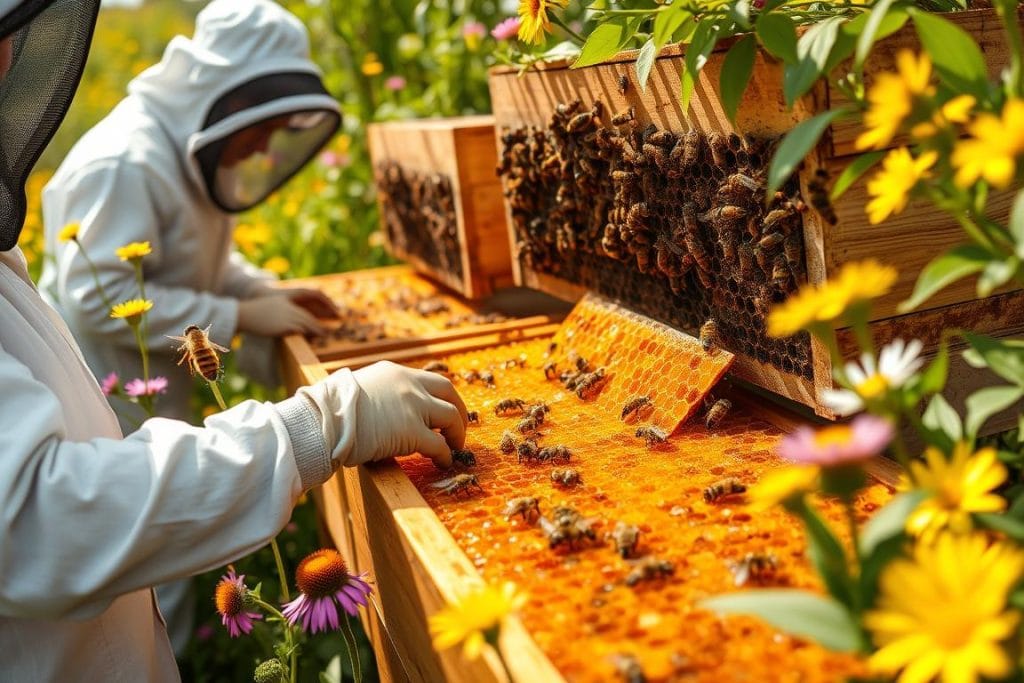
Ethical bee venom collection is crucial for the health and survival of bee populations. Sustainable beekeeping practices are essential for ecological balance and responsible venom extraction. Bee venom therapy offers health benefits but comes with risks that must be weighed carefully.
One major concern with bee venom therapy is allergic reactions. These can vary from mild skin irritation to severe anaphylaxis. It’s vital that this therapy is administered by healthcare professionals who can manage any adverse effects. Understanding these risks is key to safe use.
Adopting sustainable beekeeping practices benefits both bees and the quality of the venom. Ethical collection methods, like non-lethal extraction, protect bees and their ecosystem roles. This approach supports the therapeutic use of bee venom and bee colony health.
While bee venom therapy’s benefits are growing, balancing them with ethical beekeeping is crucial. Ensuring bee health through ethical collection and understanding therapy risks leads to a responsible use of this natural remedy in healthcare.
What is Bee Venom Therapy?
Bee venom therapy, or BVT, uses the potent properties of bee venom to treat various medical conditions. This therapy has roots in ancient civilizations like Egypt and China, where bee stings were valued for their medicinal benefits. Today, bee venom is extracted from bees and administered through live bee stings or purified injections.
The benefits of bee venom come from its rich composition, including melittin. Melittin has anti-inflammatory and antimicrobial properties. It plays a key role in reducing inflammation, common in arthritis and chronic pain. Understanding bee venom’s effects shows it targets the immune system, potentially modulating immune responses and offering relief in autoimmune diseases.
Modern bee venom therapy involves direct stings from live bees or purified venom injections, which are FDA-approved. This method ensures controlled dosages and reduces severe reaction risks. It’s used to treat conditions like Lyme disease and significantly improves pain reduction for chronic lower back pain sufferers.
While bee venom therapy offers benefits, it’s crucial to consider the risks and side effects. Side effects range from mild reactions like redness and swelling to severe outcomes like anaphylaxis, especially in sensitive individuals. Women often experience side effects more frequently, and those with autoimmune diseases are generally advised against it as it may worsen their conditions.
With growing interest in natural remedies, bee venom therapy is becoming more popular. However, it must be administered by trained practitioners to maximize benefits and minimize risks. Exploring how bee venom works and its therapeutic potential helps you make informed decisions about incorporating it into your wellness routine.
The Science Behind Bee Venom and Its Benefits
The scientific community has been delving into the numerous benefits of bee venom. A key focus is melittin, a potent peptide within bee venom with remarkable properties. Research on bee venom has uncovered its antibacterial, antiviral, anti-inflammatory, and pain-relieving effects. These attributes make it a significant area of study for treating various health issues.
A 2018 study found that bee venom acupuncture was as effective as methotrexate and celecoxib in managing arthritis symptoms in 120 individuals. This highlights the potential of bee venom therapy in reducing inflammation and pain. A 2020 meta-analysis also emphasized the need for larger trials to confirm these promising results.
Animal studies support the anti-inflammatory and anti-arthritic benefits of bee venom. These studies show that melittin in bee venom can significantly reduce inflammation. It offers relief from conditions like rheumatoid arthritis and atopic dermatitis. Additionally, bee venom’s antibacterial properties are effective against antibiotic-resistant bacteria, and its antiviral effects may combat infections.
Melittin in bee venom has also been studied for its potential in cancer treatment. Research indicates that melittin can induce apoptosis in various cancer cell lines. This suggests that bee venom properties can modulate the immune system and boost immune cell activity.
The ongoing research on bee venom continues to expand our knowledge of this natural substance. New technologies, including nanoparticles and scaffolds, aim to enhance the bioavailability and effectiveness of bee venom in therapy. As these advancements evolve, bee venom therapy shows promise for a wide range of health benefits.
Bee Venom and Joint Pain Relief in Menopause
Joint pain is a common issue during menopause, often worsened by hormonal shifts. Bee venom therapy stands out here. It’s known for its anti-inflammatory and pain-relieving effects, making it a natural option for menopause joint pain. The compounds in bee venom, like melittin and adolapin, effectively reduce inflammation and ease pain.
Melittin, the main component of bee venom, has potent anti-inflammatory and pain-relieving properties. Research shows that 18 treatments can reverse disease processes when paired with other natural therapies. This is especially beneficial for chronic inflammatory diseases like rheumatoid arthritis, which shares similar pain management needs.
Bee venom has a long history in treating arthritis. Beekeepers have observed reduced pain and improved joint health post-stings. Modern alternative medicine is reviving bee venom therapy for this purpose. Clinical trials are growing, showing its potential as a natural pain management strategy for menopause joint pain.
Combining bee venom therapy with other natural pain management methods offers a holistic approach to menopause joint pain. Techniques like acupuncture or herbal supplements, alongside bee venom, form a comprehensive treatment plan. Research by Purely Wellness highlights the value of such multifaceted approaches in effective pain management during menopause.
In conclusion, bee venom could be a holistic, natural pain management solution for arthritis and menopause joint pain. With its rich history and growing scientific support, incorporating bee venom into your routine could provide significant relief for joint pain during menopause.
Bee Venom for Skin Health During Menopause
Menopause brings significant changes to skin health, including reduced elasticity. Bee venom cosmetics offer innovative, natural solutions to these issues. By adding bee venom to your skincare routine, you can rejuvenate your skin, reduce wrinkles, and address eczema and acne.
Bee venom cream stimulates collagen production, which reduces crow’s feet and gives a smoother look around the eyes. Studies indicate that products like Skin Doctors Beetox Cream can triple collagen in just seven days. This leads to brighter, firmer skin.
Bee venom’s antimicrobial properties are excellent for mild to moderate acne. It reduces inflammation and prevents breakouts, leading to clearer skin. For eczema sufferers, bee venom cream offers relief by reducing itchiness and inflammation.
Bee venom also enhances blood flow, resulting in a radiant complexion. This rejuvenation and plumping effect make skin look younger. Manuka honey in bee venom creams tricks the skin into thinking it’s been stung, instantly tightening, lifting, and firming the skin.
As women seek natural, effective skincare during menopause, bee venom cosmetics are becoming a key ally. With scientific backing and positive feedback, these products are gaining traction in the U.S. and globally for their impressive results.
Potential Risks and Side Effects of Bee Venom Therapy
Bee venom therapy offers numerous potential health benefits, but it’s crucial to be aware of the possible side effects of bee venom. Some individuals may experience common adverse reactions, including redness, swelling, and a stinging sensation at the site of the sting.
More serious allergic reactions to bee venom can occur, leading to symptoms such as difficulty breathing, hives, and a rapid heartbeat. Severe cases may result in anaphylaxis, a life-threatening condition that requires immediate medical attention. Thus, it’s imperative to undergo allergy testing before starting bee venom therapy to mitigate these risks.
Additionally, certain safety precautions should be taken when considering bee venom therapy. Monitoring by a healthcare professional is highly recommended to ensure a safe and controlled treatment environment. People with a known allergy to bee stings or those with compromised immune systems should avoid this therapy altogether.
Beyond allergic reactions, other side effects of bee venom may include fatigue, dizziness, and nausea. These tend to be mild but should be reported to a healthcare provider immediately if they persist. Given the potential for significant reactions, following proper safety precautions is crucial for those opting for bee venom therapy.
Finally, always inform your healthcare provider about any medications or supplements you are taking to avoid possible interactions and side effects. The importance of monitoring and professional supervision cannot be overstated when incorporating bee venom into your wellness routine.
Research on Bee Venom Therapy and Menopause
Bee venom therapy has gained significant attention for its potential to ease menopausal symptoms. Clinical studies suggest it could be a valuable tool in managing menopause-related issues. The benefits of bee venom on menopause are diverse, including relief from joint pain and skin health improvements.
Research into bee venom’s therapeutic effects on menopausal women is ongoing. It has shown promise in reducing inflammation, which helps with joint pain. Its antimicrobial and antifungal properties also enhance skin health, addressing common menopause-related concerns.
Further studies aim to establish bee venom as an alternative treatment for menopausal symptoms. The initial results are promising, but more extensive and long-term research is needed. This will help solidify the benefits and address any safety concerns.
Scientists are continually exploring the effects of bee venom on menopause. They aim to understand how it works and how it can be safely used in menopausal care. The ongoing research seeks to provide a clearer picture of bee venom’s role in managing menopause symptoms.
How to Safely Incorporate Bee Venom into Your Routine
Adding bee venom to your daily routine can offer health benefits, especially for menopausal symptoms. Yet, it’s vital to follow practical guidelines for safe use. Begin with high-quality products from trusted brands to ensure purity and effectiveness.
Bee venom products are available in creams, serums, and supplements. It’s important to stick to recommended dosages and use methods to avoid adverse effects. Always consult a healthcare provider before using bee venom at home, especially with pre-existing health conditions or allergies.
The compounds in bee venom, like melittin and apamin, have anti-inflammatory and antibacterial properties. This makes it beneficial for skin health. For joint pain, bee venom can help under medical supervision, but it’s crucial to monitor closely. Research shows these natural remedies are key in managing menopause symptoms.
When using bee venom at home, always do a patch test for allergic reactions. Look out for skin irritation, pain, and inflammation. If you experience any adverse effects, stop use and seek medical advice. By adhering to these guidelines, you can safely use bee venom and benefit from its natural healing properties.
Conclusion
Exploring the benefits of bee venom therapy for menopausal symptoms reveals a natural alternative to traditional treatments. This remedy has shown promise in reducing joint pain, improving skin health, and offering anti-inflammatory effects. Its composition, including proteins, lipids, and antimicrobial properties, highlights its potential in healthcare.
However, it’s crucial to acknowledge the risks and ethical concerns of bee venom therapy. While some studies suggest benefits, others have noted adverse reactions such as skin sensitivities and nephrotoxicity in animal models. Therefore, it’s essential to conduct thorough research and seek professional advice before using bee venom.
The increasing interest in bee venom therapy within the medical field and among consumers indicates a promising future of bee venom in health. As the demand for natural remedies grows, more in-depth studies are anticipated to confirm the benefits of bee venom. Being informed and cautious will allow you to maximize the potential of this natural therapy. In summary, bee venom stands at the forefront of natural medicine, offering potential solutions for managing menopausal symptoms.
FAQ
What is bee venom therapy and how does it work?
How can bee venom help with joint pain during menopause?
Is bee venom beneficial for skin health in menopausal women?
What should I consider regarding ethical bee venom collection?
Are there any risks associated with bee venom therapy?
What are the methods of bee venom extraction and administration?
What scientific evidence supports the use of bee venom for menopause symptoms?
How can I safely incorporate bee venom into my routine?
Source Links
- BEE VENOM: Overview, Uses, Side Effects, Precautions, Interactions, Dosing and Reviews
- Bee Venom Therapy for Arthritis
- Bee stings for arthritis: What the research says
- Royal jelly a promising therapeutic intervention and functional food supplement: A systematic review
- Unit 5 cover
- Bee Venom: Health Benefits, Side Effects, Uses, Dose & Precautions
- Does Apitherapy Really Work? | LifeMD
- Fact Check: Can a bee venom spray cure arthritis pain?
- Bee products: An overview of sources, biological activities and advanced approaches used in apitherapy application
- Bee Venom, Honey, and Royal Jelly in the Treatment of Bacterial Infections of the Oral Cavity: A Review
- Bee products: An overview of sources, biological activities and advanced approaches used in apitherapy application
- Bee Venom Therapy For Lyme, Arthritis, Fibromyalgia and more
- Bee Venom Remedies | Ben’s Bees
- Everything To Know About Bee Venom Cream
- Bee Venom Capsules, Joint Support, Natural Bee Capsules 30/60/120 Caps | eBay
- AMA0203.qxd
- Could Bee Pollen Help With Fatigue and Diabetes?
- bee venom acupuncture: Topics by Science.gov
- Bee Pollen Benefits and Side Effects
- Apitherapy: Benefits, risks, and more
- Bee pollen: Benefits, uses, side effects, and more
- Fact Check: Can bee venom spray remove skin tags?
- Royal Jelly: Biological Action and Health Benefits