
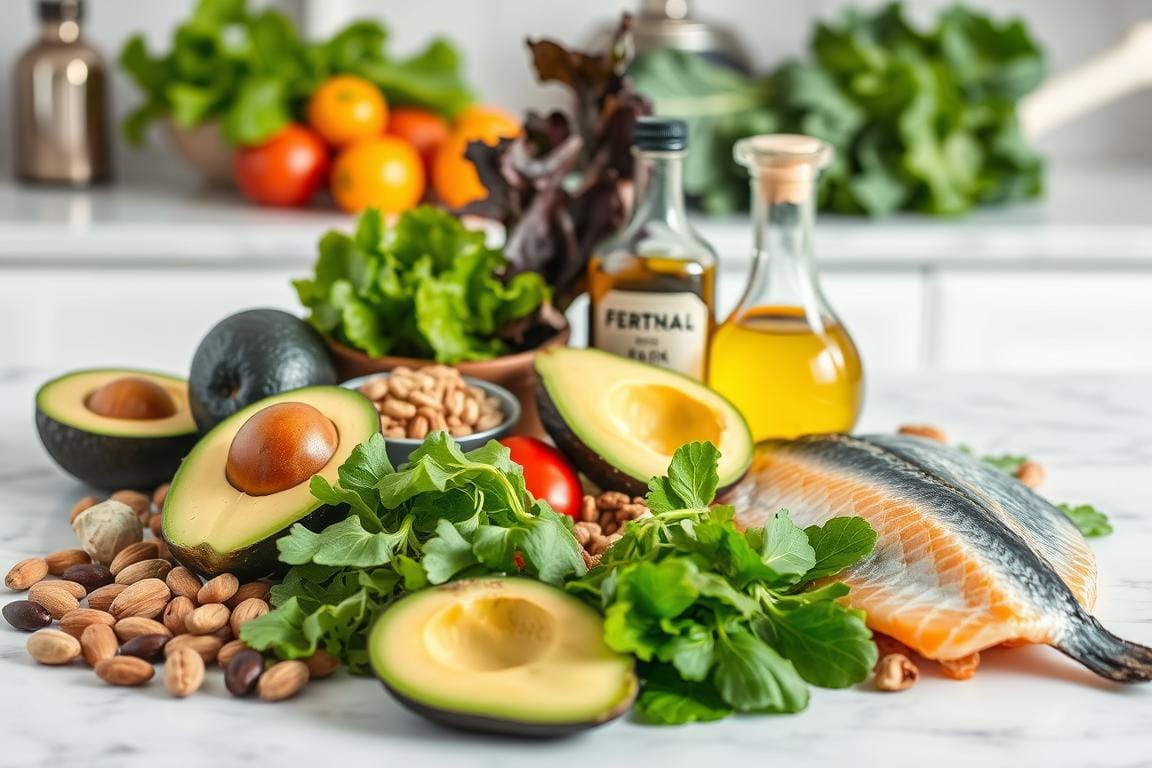
Did you know the keto diet is more effective for long-term weight loss than a low fat diet? This fact explains the growing interest in the keto diet for health and weight management. Originally designed for epilepsy treatment, it’s now popular for quick weight loss and better well-being.
The ketogenic diet, or keto diet, focuses on high fat and moderate protein, with low carbs. It aims to enter a state called ketosis, where your body burns fat efficiently for energy. By cutting down carbs and increasing fat intake, your body uses fats instead of carbs for energy. This switch leads to ketones in the liver, powering your brain. It’s linked to better insulin sensitivity, heart disease risk reduction, and potential cancer treatment benefits.
Key Takeaways
- The keto diet involves high fat, moderate protein, and very low carbohydrate intake to induce ketosis.
- Ketosis allows the body to efficiently burn fat for energy instead of carbohydrates.
- Research supports long-term weight loss benefits, improved insulin sensitivity, and heart health improvements.
- The keto diet can significantly reduce hemoglobin A1C and support weight loss in individuals with type 2 diabetes.
- The diet may possess therapeutic potential for conditions like cancer and Alzheimer’s disease.
Introduction to the Keto Diet
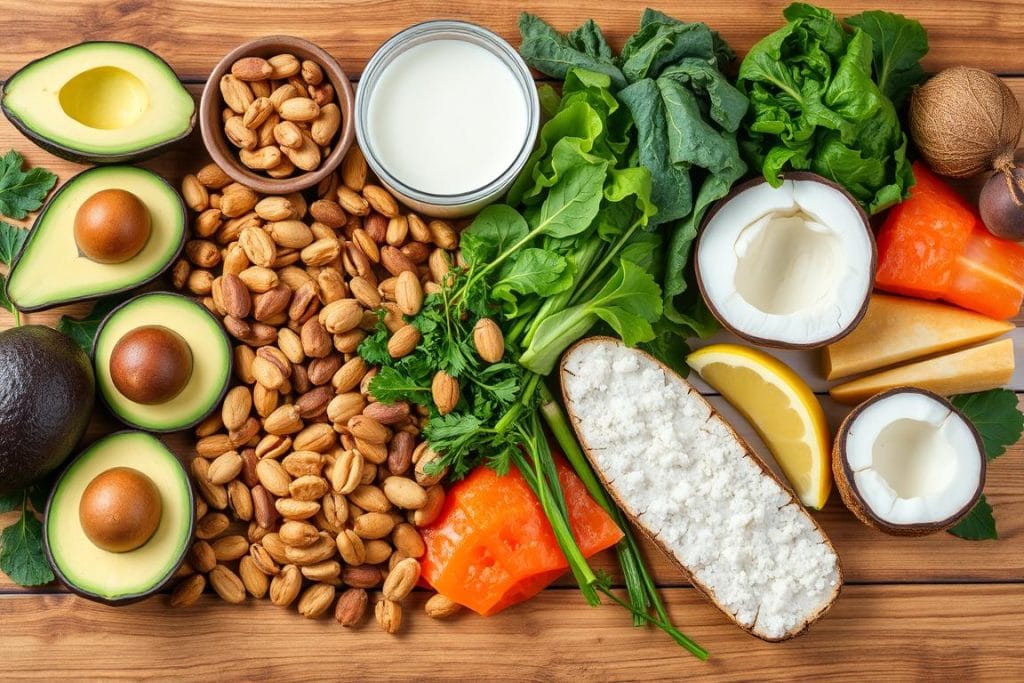
The keto diet focuses on drastically cutting down on carbs and increasing fat intake. This shift helps your body enter ketosis in just 3 to 4 days, provided you consume less than 50 grams of carbs daily.
This method significantly reduces blood sugar and insulin levels. It changes your metabolism to burn fats and ketones instead of carbs. The diet has its roots in the 1920s, initially used for managing epilepsy. Now, it’s widely adopted for weight loss and diabetes management. Starting keto often leads to rapid weight loss in the first 3 to 6 months.
Ketogenic diets also positively affect cholesterol levels, increasing “good” cholesterol and lowering “bad” cholesterol. They can decrease insulin levels, which is beneficial for diabetes management. Additionally, they may offer protection against certain cancers. The diet is also beneficial for conditions like polycystic ovary syndrome due to its insulin-reducing effects.
A typical ketogenic diet consists of 5% calories from carbs, 20% from protein, and 75% from fats. For a 2000-calorie diet, this means about 25 grams of carbs, 100 grams of protein, and 167 grams of fats. This specific macronutrient balance is key to achieving and maintaining ketosis.
Here’s a detailed breakdown of a standard daily ketogenic diet plan:
| Macronutrient | Daily Intake (2000 Calories) | Percentage of Total Calories |
|---|---|---|
| Carbohydrates | 25 grams (100 calories) | 5% |
| Protein | 100 grams (400 calories) | 20% |
| Fats | 167 grams (1500 calories) | 75% |
Having good keto advice is crucial for managing initial side effects like constipation, low blood sugar, and the “keto flu.” A well-balanced ketogenic diet can benefit endurance athletes and may help with conditions like epilepsy, Alzheimer’s, and sleep disorders. Understanding keto and how to adapt it can greatly enhance your lifestyle and health goals.
Understanding Ketosis
Ketosis is a metabolic state where the body burns fat for fuel instead of carbohydrates. This happens when you drastically cut down on carbs, usually to less than 50 grams a day. The liver then produces ketone bodies, which become the brain’s primary energy source.
Several methods can start ketosis. These include reducing carbs, controlling protein intake, and sometimes fasting. Eating fewer than 50 grams of carbs daily helps switch the body to fat as its main energy source.
To understand ketosis, it’s crucial to know the carb limits. For instance, you should aim for about 60 grams of protein daily. Also, limit fruits to one cup a day to keep carb intake low. Calcium is also key, with 1,200 milligrams daily recommended to maintain bone health.
When in ketosis, blood ketone levels should be between 0.5 and 3.0 mmol/L. Levels above this can lead to ketoacidosis, a serious condition needing immediate medical care. For those with type 2 diabetes, ketosis can help manage blood sugar and may reduce the need for diabetes medications.
The benefits of ketosis are significant. Research shows it may lower heart disease risk and help those with epilepsy, Alzheimer’s, and Parkinson’s. Yet, it’s important to watch out for side effects like headaches, fatigue, constipation, and bad breath. These usually go away within a few days or weeks. Around 1 in 20 kids with epilepsy on a keto diet might face kidney stones, highlighting the need for careful diet planning and monitoring.
In conclusion, achieving ketosis can bring substantial health benefits, including weight management, neurological support, and better metabolic health. It occurs when the body uses fat as its main energy source due to low glucose levels. This can be triggered by starvation, fasting, or a very low-carb diet.
Types of Keto Diets

Exploring the different ketogenic diets reveals distinct approaches and benefits. The Standard Ketogenic Diet (SKD), Cyclical Ketogenic Diet (CKD), and Targeted Ketogenic Diet (TKD) cater to various nutritional and performance needs.
The Standard Ketogenic Diet (SKD) is the most studied and common. It consists of about 75% fat, 20% protein, and 5% carbs. Research shows SKD aids in weight loss, improves blood sugar control, and boosts heart health. In fact, 44 percent of participants saw better epilepsy control after a year on SKD.
The Cyclical Ketogenic Diet (CKD) is favored by bodybuilders and athletes. It involves alternating between ketogenic and high-carb days. CKD aims to merge ketosis benefits with the performance boost from carbs. This method aids athletes in maintaining high intensity and endurance during intense, short exercises.
The Targeted Ketogenic Diet (TKD) is designed for athletes, allowing carbs around workouts for better performance and recovery. With TKD, carbs are consumed before and after exercise. This ensures consistent energy during workouts while keeping ketosis throughout the rest of the day.
| Type of Keto Diet | Fat (%) | Protein (%) | Carbs (%) |
|---|---|---|---|
| Standard Ketogenic Diet (SKD) | 75 | 20 | 5 |
| Cyclical Ketogenic Diet (CKD) | 75 | 20 | Varies |
| Targeted Ketogenic Diet (TKD) | 75 | 20 | Varies |
Whether you’re a beginner or a seasoned athlete, there’s a ketogenic diet for you. Each diet type, from SKD to TKD, offers unique benefits. This makes it easier to find the diet that fits your lifestyle and goals.
Keto Diet – What is it and how does it work?
The ketogenic diet, first introduced in the 1920s, focuses on ketogenic principles. It ensures that 75% of calories come from fats, 20% from proteins, and only 5% from carbohydrates. This significant reduction in carbs induces a metabolic state called ketosis. In ketosis, your body efficiently burns fat for energy, highlighting the keto diet’s effectiveness for weight loss and health benefits.
Grasping the keto mechanisms is key to understanding its impact on your body. By drastically cutting down on carbs, your glycogen stores are depleted. Your body then starts producing ketone bodies from fat, serving as an alternative energy source. This transition not only aids in significant weight loss but also lowers insulin levels and boosts ketone production. These changes are beneficial for managing conditions like diabetes, epilepsy, and Alzheimer’s disease.
Embracing the ketogenic principles requires dedication and patience. It typically takes about three weeks of carbohydrate reduction for your body to fully enter ketosis. Yet, during this time, some people may experience the “keto flu,” characterized by nausea, headaches, and fatigue. Despite these initial drawbacks, the long-term benefits of keto are clear, including substantial fat loss and enhanced metabolic health.
| Nutrient | Percent of Daily Intake |
|---|---|
| Carbohydrates | 5% |
| Proteins | 20% |
| Fats | 75% |
While the ketogenic diet is highly effective for many, it’s crucial to acknowledge potential risks. For example, an increase in lipid levels can occur within six to eight weeks. Those with kidney disease may face additional challenges due to high ketone levels. Balanced diets, such as the Mediterranean diet, or intermittent fasting may offer similar benefits. They provide a varied and balanced diet, posing fewer risks for long-term health.
Health Benefits of the Keto Diet
The Keto Diet has gained significant attention for its health benefits. It is particularly effective for weight loss. A 2013 meta-analysis of 13 randomized controlled trials showed that those on the ketogenic diet lost an average of 2 pounds more than those on low-fat diets over a year. Another review found that individuals on a ketogenic regime lost 5 pounds more than those on low-fat diets after just six months.
Moreover, ketogenic research indicates that this diet can lead to improved heart health outcomes. Low-carb diets, like keto, are known to lower blood triglycerides—an essential factor in reducing the risk of heart disease. A 2017 review found that some individuals on a keto diet experienced significant drops in total cholesterol, LDL (bad cholesterol), and triglycerides, alongside an increase in HDL (good cholesterol).
For people with type 2 diabetes, the ketogenic diet offers promising results. By dramatically reducing carbohydrate intake, the diet can help in lowering blood sugar and insulin levels, improving insulin resistance, and managing metabolic syndrome. A 2019 review underscored keto benefits for hormonal disorders like PCOS and type 2 diabetes, highlighting its wide-reaching positive implications.
The ketogenic diet also shows promise beyond weight and metabolic health. It has been particularly effective in reducing seizures in people with epilepsy, notably children suffering from focal seizures, a benefit that conventional medications sometimes fail to achieve.
Additionally, a 2005 pilot study revealed that the keto diet can improve markers of polycystic ovary syndrome (PCOS), including weight loss, hormone balance, and insulin levels.
The diverse health outcomes associated with the ketogenic diet, including weight management, improved cholesterol profiles, and the potential for alleviating seizures in epilepsy, underscore the immense keto benefits substantiated by comprehensive ketogenic research.
Foods to Avoid on the Keto Diet
Adhering to a ketogenic diet demands careful attention to your food intake. It’s crucial to know which foods to avoid, understand the keto restrictions, and stick to them to maintain ketosis.
Sugary Foods: Foods and drinks high in sugar, like sodas, candies, and desserts, can disrupt ketosis due to their high carb content. For example, a can of Coca-Cola contains 39 grams of carbs, significantly contributing to daily carb intake.
Grains and Starches: Grains, including wheat, rice, and pasta, should be avoided. A slice of white sandwich bread contains 13 grams of carbs, while cooked white pasta has 33 grams per cup. These can quickly exceed your daily carb limit, which should be under 20-40 grams.
Most Fruits: Most fruits are high in natural sugars and carbs. Berries are an exception and can be consumed in moderation. However, fruits like bananas and mangoes are typically high in carbs and should be avoided.
Legumes: Legumes, such as beans and lentils, are generally avoided due to their higher carb content. A 1/2 cup serving of black beans contains nearly 20 grams of carbs, which can impact your ketosis process.
Root Vegetables: Starchy vegetables like potatoes, sweet potatoes, and beets are high in digestible carbohydrates. For instance, a medium sweet potato contains approximately 27 grams of carbs. These numbers can quickly add up, displacing ketosis.
Condiments and Sauces: Many condiments like ketchup and sweet chili sauce contain hidden sugars. A 9-gram packet of ketchup has about 3 grams of carbs, while a serving of sweet chili sauce delivers 15 grams of carbs, making them foods to avoid keto.
Unhealthy Fats: While fats are crucial in a keto diet, opt for healthy fats like those in avocados and olive oil. Avoid trans fats found in margarine and processed foods. Light margarine contains about 2.7 grams of fat per serving, which is less beneficial compared to unsalted butter.
Alcoholic Beverages: Alcohol can be tricky; some drinks contain high carbs that interrupt ketosis. A can of beer has 13 grams of carbs, while cocktails like margaritas can contain as many as 36 grams of carbs. Stick to low-carb options and consume in moderation.
| Food Category | Example | Carb Content |
|---|---|---|
| Sugary Foods | Coca-Cola | 39g per can |
| Grains | White Bread | 13g per slice |
| Starchy Vegetables | Sweet Potatoes | 27g per medium piece |
| Condiments | Ketchup | 3g per packet |
| Alcoholic Beverages | Beer | 13g per can |
Understanding these keto restrictions helps you make better choices, ensuring you remain in ketosis and maximize the benefits of the ketogenic diet.
Foods to Eat on the Keto Diet
Eating on keto means focusing on foods rich in healthy fats and low in carbs. These choices help you stay in ketosis and support the diet’s metabolic goals. Here are some top keto foods to include in your diet:
Seafood, especially fish and shellfish, are great for keto diets. Shrimp and most crabs are low in carbs and packed with B vitamins, potassium, and selenium.
Meat and poultry are carb-free and rich in B vitamins and minerals. They provide high-quality protein, essential for muscle maintenance and feeling full.
Eggs are a keto diet staple. Each egg has less than 1 gram of carbs and about 6 grams of protein, making them ideal for breakfast or snacks. Cheese, in its various forms, is also low in carbs and high in fat. For example, cheddar cheese has only 1 gram of carbs per ounce and is a good source of calcium.
| Food | Carbs (g per 3.5 oz) | Protein (g per 3.5 oz) | Fat (g per 3.5 oz) |
|---|---|---|---|
| Salmon | 0 | 17 | 4 |
| Turkey | 0 | 27 | 12 |
| Almonds | 6 | 6 | 14 |
| Avocado | 3 (net) | 3 | 30 |
| Strawberries | 8 | 1 | 0 |
Dairy products like plain Greek yogurt and cottage cheese are good for keto diets. They offer high protein and help reduce hunger. Choose full-fat versions for the best results. Cream and half-and-half, while high in fat and low in carbs, should be consumed in moderation.
Green leafy vegetables, such as spinach and kale, are low in carbs and rich in vitamins, minerals, and antioxidants. Peppers and summer squashes like zucchini are versatile and great for keto diets. They offer low carb counts and significant nutritional benefits.
Avocados and olives are keto favorites due to their high fat, low net carb content, and fiber and antioxidant richness. Other non-starchy vegetables like cauliflower, spaghetti squash, and jicama can serve as excellent low-carb substitutes for traditional high-carb foods.
By incorporating these best keto foods into your diet, you’ll keep your carb intake within the recommended 20-50 grams per day. This ensures you’re getting a balanced range of nutrients necessary for maintaining optimal health on the keto diet.
Common Challenges and Side Effects
Starting the keto diet comes with its own set of hurdles. One major issue is the “keto flu,” which includes headaches, fatigue, and irritability. These symptoms arise from the body’s sudden shift away from carbs.
Nutrient deficiencies are another challenge. The diet’s limited food choices can restrict access to vital vitamins and minerals. A study found that very low-carb diets, like Atkins, only provide 12 out of 27 essential nutrients. Moreover, 65% of children on keto diets experience constipation.
Overcoming keto side effects requires careful planning and sometimes, professional advice. Health experts warn that the keto diet cuts out fresh fruits, vegetables, whole grains, and low-fat dairy. These are crucial for long-term health. The strict rules can also cause social isolation or unhealthy eating habits.
Here’s a look at common side effects and how to manage them:
| Common Side Effects | Possible Solutions |
|---|---|
| Keto flu (headache, fatigue, irritability) | Increase fluid intake, replenish electrolytes |
| Constipation | Consume more high-fiber vegetables, stay hydrated |
| Nutrient deficiencies | Supplement with vitamins, diversify food options within the diet |
| Social isolation | Plan meals in advance to avoid dietary restrictions |
By understanding the common challenges and side effects of keto, and knowing how to manage them, you can improve your diet experience.
Conclusion
The keto diet offers a transformative approach to optimizing health and achieving weight loss through the metabolic state known as ketosis. It requires a daily intake of less than 50 grams of carbohydrates. The diet focuses 70-80% of daily calories on fats, shifting the body’s primary energy source from carbs to fats. This distinct keto diet summary highlights the importance of understanding the foods you should consume and avoid to navigate the new eating pattern successfully.
Multiple studies have shown that the keto diet can produce beneficial metabolic changes in the short term. It enhances insulin resistance, lowers blood pressure, and improves cholesterol and triglyceride levels. However, it’s not without its challenges – hunger, fatigue, and constipation are commonly reported. Long-term adherence may lead to more serious issues like kidney stones, osteoporosis, and nutrient deficiencies. Therefore, achieving the best results from this diet necessitates careful planning and often consulting with healthcare providers.
Ultimately, while some research highlights the substantial weight loss and improved insulin sensitivity seen with the keto diet, the effects compared to conventional diets after a year are not significantly different. This highlights that the keto insights discussed need to be weighed carefully against individual health conditions and dietary preferences. As you consider adopting the keto lifestyle, understanding its complexities and potential side effects will help you make an informed decision tailored to your needs. These final thoughts on keto reiterate the importance of a balanced approach, mindful of both benefits and potential pitfalls.
Source Links
- https://www.healthline.com/nutrition/ketogenic-diet-101
- https://www.kumc.edu/about/news/news-archive/keto-diet-research.html
- https://my.clevelandclinic.org/health/articles/24003-ketosis
- https://www.webmd.com/diet/ss/slideshow-ketogenic-diet
- https://foodinsight.org/keto-diet-101-what-to-know-before-you-commit/
- https://www.webmd.com/diabetes/what-is-ketosis
- https://www.healthline.com/nutrition/what-is-ketosis
- https://www.ruled.me/ketosis-ketones-and-how-it-works/
- https://www.everydayhealth.com/ketogenic-diet/diet/types-targeted-keto-high-protein-keto-keto-cycling-more/
- https://www.diabetes.co.uk/keto/types-of-ketogenic-diet.html
- https://www.nm.org/healthbeat/healthy-tips/nutrition/pros-and-cons-of-ketogenic-diet
- https://www.ncbi.nlm.nih.gov/books/NBK499830/
- https://www.medicalnewstoday.com/articles/319196
- https://pmc.ncbi.nlm.nih.gov/articles/PMC8153354/
- https://www.healthline.com/nutrition/10-benefits-of-low-carb-ketogenic-diets
- https://www.eatingwell.com/article/291245/complete-keto-diet-food-list-what-you-can-and-cannot-eat-if-youre-on-a-ketogenic-diet/
- https://www.healthline.com/nutrition/what-not-to-eat-on-keto
- https://www.everydayhealth.com/ketogenic-diet/foods-you-can-t-eat-on-keto-and-what-to-choose-instead/
- https://www.healthline.com/nutrition/ketogenic-diet-foods
- https://zoe.com/learn/what-foods-can-you-eat-on-the-keto-diet
- https://www.webmd.com/diet/keto-diet-for-beginners
- https://www.uchicagomedicine.org/forefront/health-and-wellness-articles/2023/january/ketogenic-diet-what-are-the-risks
- https://www.healthline.com/nutrition/dangers-of-keto-diet
- https://nutritionsource.hsph.harvard.edu/healthy-weight/diet-reviews/ketogenic-diet/
- https://nutrition.ucdavis.edu/outreach/nutr-health-info-sheets/pro-ketogenic-diet